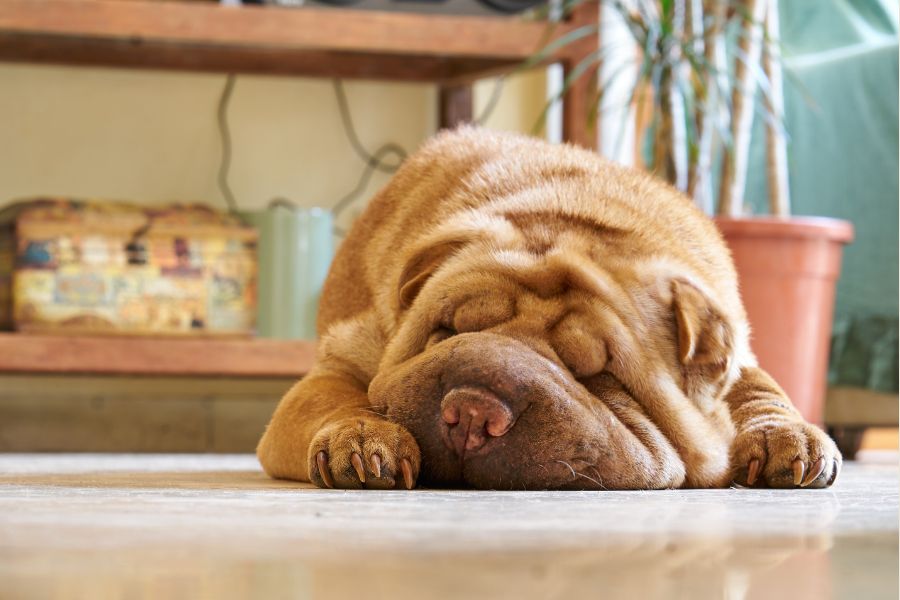
Pets rarely age overnight. One day, your dog races to the door for every walk, and before long, stairs seem harder, or naps become longer. Cats often hide age-related discomfort even more quietly. Small changes may seem harmless at first, though they sometimes point toward developing health concerns.
Senior pet wellness exams are designed to look deeper into age-related changes that standard checkups may not fully address. If you’re a pet owner in Denver, this blog is especially for you. Understanding how senior wellness visits work may help you support your pet’s comfort, mobility, and long-term health as they grow older.
Aging Pets Need More Frequent Health Monitoring
Younger pets often maintain stable health patterns for years. Older pets, however, can experience physical changes much faster.
Dogs and cats age differently depending on breed, size, weight, and lifestyle. Large-breed dogs often enter senior years earlier, while cats may hide signs of aging longer.
Common Changes Seen In Aging Pets
- Lower energy levels: Pets may sleep more often or tire faster.
- Joint stiffness: Mobility changes can develop gradually over time.
- Weight fluctuations: Sudden weight gain or loss deserves attention.
- Behavior changes: Irritability or withdrawal may signal discomfort.
Regular wellness visits are a core part of senior pet care, helping track smaller changes before they become severe.
Routine Checkups Focus Differently Than Senior Visits
Standard annual checkups often focus on vaccines, parasite prevention, and overall physical health. Senior wellness exams usually include closer monitoring for conditions linked to aging.
Animal care teams often spend more time discussing daily habits, mobility, appetite, and behavioral patterns during senior appointments.
Topics Often Discussed During Senior Wellness Visits
- Eating habits: Changes in appetite may signal underlying concerns.
- Bathroom routines: Urination changes sometimes indicate illness.
- Sleep patterns: Restlessness may reflect discomfort or anxiety.
- Activity levels: Reduced movement can point toward pain issues.
Subtle changes at home often provide important clues during wellness evaluations.
Bloodwork Becomes More Important With Age
Many age-related conditions develop slowly and quietly. Bloodwork helps identify internal changes before symptoms become obvious at home.
Early detection often creates more opportunities to manage chronic conditions successfully.
Conditions: Bloodwork May Help Identify Earlier
- Kidney disease: Common among aging cats and dogs.
- Diabetes: Blood sugar changes may appear gradually.
- Liver concerns: Changes in organ function can remain hidden initially.
- Hormonal imbalances: Thyroid conditions often affect weight and energy.
Diagnostic testing is one reason senior wellness care differs from a routine annual exam.
Mobility Changes Often Deserve Closer Attention
Many owners assume slowing down is simply part of aging. Joint discomfort, arthritis, and muscle loss, however, frequently affect mobility in older pets.
Movement changes often appear gradually instead of suddenly.
Signs Mobility Support May Be Needed
- Difficulty standing up: Stiffness may worsen after resting.
- Avoiding stairs or jumping: Pain may affect confidence in movement.
- Shorter walks: Reduced endurance sometimes signals discomfort.
- Slipping on floors: Muscle weakness may affect stability.
Mobility evaluations are commonly discussed alongside pain management, rehabilitation therapy, and diagnostic imaging services.
Dental Health Affects More Than Breath Odor
Dental disease becomes increasingly common as pets age. Oral discomfort can affect appetite, mood, and overall wellness more than many owners realize.
Senior wellness visits often include a closer evaluation of the teeth and gums.
Common Dental Concerns in Older Pets
- Tartar buildup: Plaque accumulation increases over time.
- Loose teeth: Dental disease may weaken support structures.
- Bad breath: A persistent odor may indicate an infection.
- Difficulty chewing: Oral pain can affect eating habits.
Dental evaluations are often combined with wellness exams and preventive care plans.
Behavior Changes Can Reveal Hidden Problems
Older pets commonly communicate discomfort through behavior rather than obvious physical symptoms.
A once-social dog may avoid interaction. Cats may hide more often or stop jumping onto furniture.
Behavioral Changes Worth Monitoring Closely
- Increased sleeping: Pain or illness may lower activity levels.
- Confusion at night: Cognitive changes sometimes affect senior pets.
- Less interest in play: Mobility issues may reduce engagement.
- House-training accidents: Bladder or kidney concerns may contribute.
Behavior changes should always be discussed during wellness appointments.
Founders Green Animal Hospital continues to support aging dogs and cats through wellness care, diagnostic testing, dental evaluations, and mobility support, helping pets stay healthier and more comfortable as they age.
Weight Monitoring Matters More During Senior Years
Weight changes may reveal developing health concerns earlier than many owners expect. Even small fluctuations sometimes indicate metabolic disease, dental pain, or digestive problems.
Older pets also lose muscle mass more easily over time.
Why Weight Trends Matter in Older Pets
- Extra weight strains joints: Arthritis discomfort may worsen faster.
- Unexpected weight loss: Internal illness may develop quietly.
- Reduced appetite: Dental discomfort sometimes affects eating.
- Muscle loss: Aging pets often gradually become physically weaker.
Consistent monitoring helps identify concerning patterns earlier.
Senior Wellness Care Supports Better Long-Term Comfort
Senior wellness exams focus on more than disease detection alone. Monitoring mobility, comfort, nutrition, and behavioral health helps support a better quality of life for aging pets.
Earlier attention often allows pets to stay active, comfortable, and engaged longer.
Benefits Of Regular Senior Wellness Visits
- Earlier diagnosis: Health concerns may be identified sooner.
- Better pain management: Mobility issues can receive earlier attention.
- Improved health tracking: Changes become easier to monitor over time.
- Long-term comfort support: Ongoing care helps aging pets stay active.
Routine monitoring becomes increasingly valuable as pets continue aging.
Helping Senior Pets Stay Happier Longer
Aging alters how pets move, rest, eat, and interact with their daily lives. Senior wellness exams help identify subtle changes before they interfere with comfort and mobility. Regular evaluations, bloodwork, dental care, and mobility assessments all play important roles in supporting healthier senior years for dogs and cats.
Supporting Aging Pets Through Every Life Stage
If you’re in Denver and searching for a veterinarian near you, book an appointment with Founders Green Animal Hospital to discuss wellness exams, diagnostic testing, dental care, and mobility support for your aging pet. Our team can help monitor age-related changes and guide care decisions designed around your pet’s long-term health needs.
Frequently Asked Questions(FAQs):
1. Why do senior pets need bloodwork more often?
A: Bloodwork helps detect kidney disease, diabetes, liver concerns, and hormonal changes earlier, often before visible symptoms appear, in aging dogs and cats.
2. Can behavior changes signal health problems in older pets?
A: Yes. Increased sleeping, hiding, irritability, confusion, or reduced interaction sometimes indicate discomfort, pain, or developing medical conditions affecting senior pets.
3. Why do older pets lose muscle mass gradually?
A: Aging naturally affects muscle strength and mobility. Reduced activity levels and chronic discomfort may also contribute to noticeable muscle loss in senior pets.
4. How often should senior pets receive wellness exams?
A: Many aging pets benefit from wellness visits every six months, as health conditions may develop more quickly in senior pets than in younger adult pets.
5. Why does dental health matter more for older pets?
A: Dental disease may affect appetite, weight, energy levels, and overall comfort. Untreated oral pain can also contribute to infections and reduced quality of life over time.
Related Articles