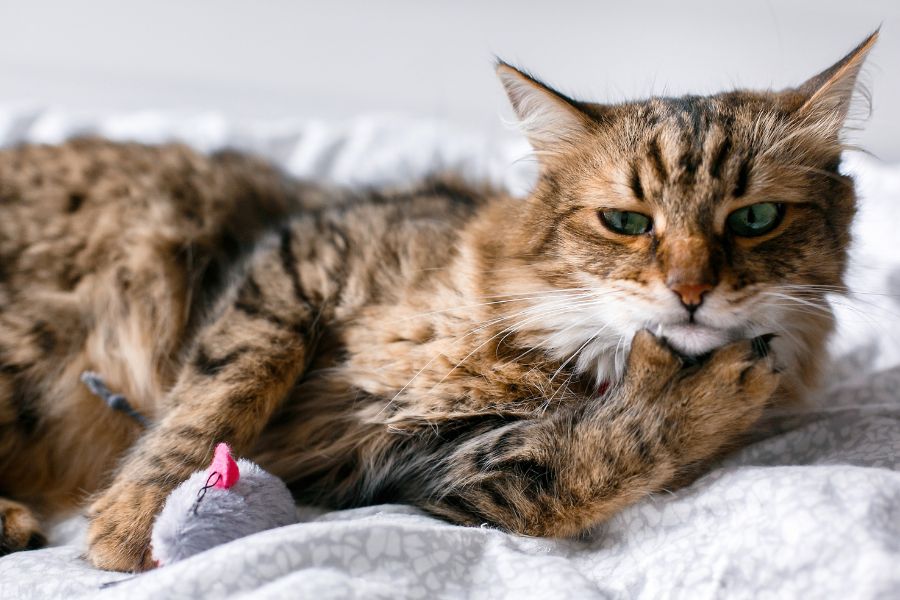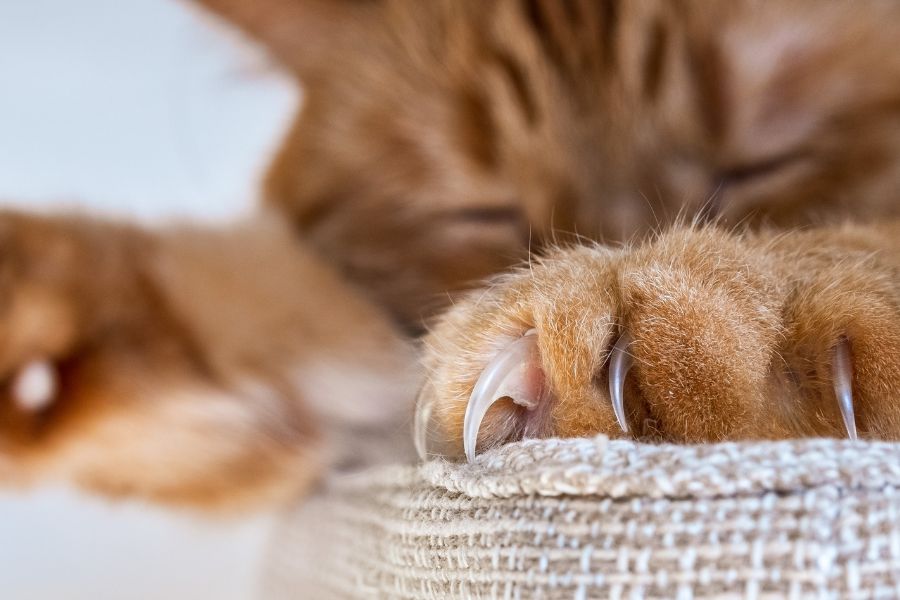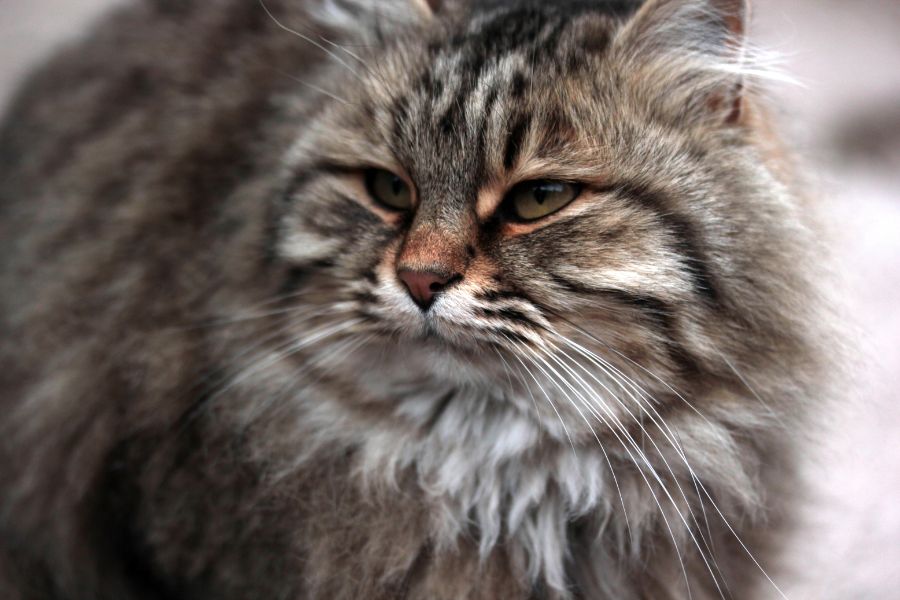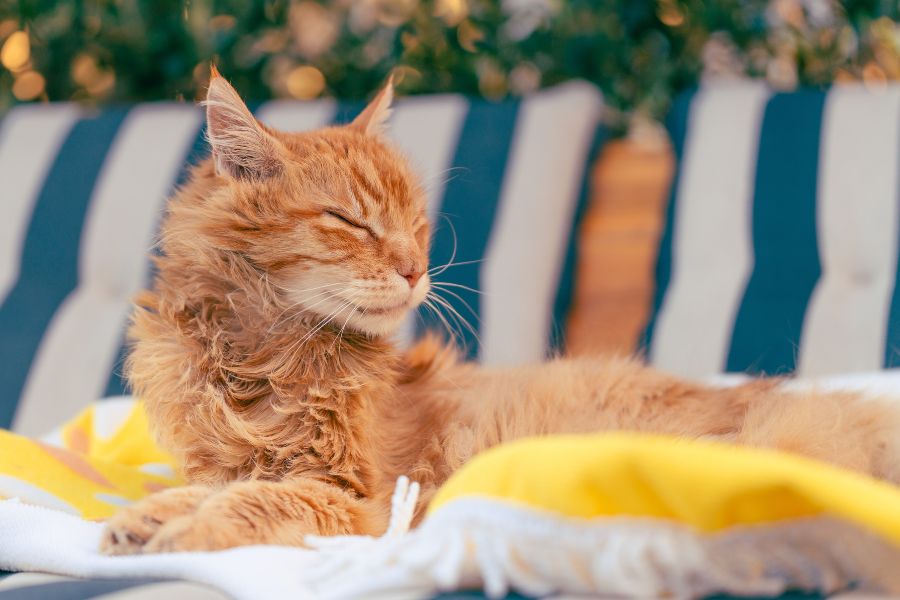
Maine Coon cats are known for their large size, tufted ears, flowing coats, and engaging personalities. Their temperament is often gentle, friendly, intelligent, playful, and affectionate. Every cat remains an individual.
Understanding their social needs, communication style, activity level, independence, relationships with children and pets, grooming needs, and behavior changes helps owners create a comfortable home. This guide explains common traits, signals, and behavior changes that deserve attention.
The Maine Coon Personality at a Glance
A typical Maine Coon has a relaxed presence and strong interest in people. These cats may follow household members, watch daily activities, and stay nearby without demanding to be held.
Maine Coon temperament varies with genetics, socialization, age, environment, and past experiences. Breed traits offer expectations, not guarantees. A confident kitten may become outgoing. A cautious cat may need more time to trust unfamiliar people.
Friendly, Social, and People-Oriented
Maine Coons are often called “gentle giants.” Their size can look imposing; their behavior is frequently calm and approachable. Many greet familiar people, investigate visitors, and stay close to the household.
Social does not mean cuddly. Some Maine Coons prefer sitting beside you, not on your lap. Respecting those boundaries can build trust.
Affectionate Without Being Clingy
Balanced affection is a notable Maine Coon personality trait. A cat may seek head scratches, settle beside you during work, or quietly follow you around the house.
Watch body language. Relaxed posture, slow blinking, purring, and voluntary proximity often indicate comfort. Flattened ears, hiding, tail flicking, or withdrawal can signal a need for space.
Intelligence and Communication
Maine Coon cats are curious problem-solvers. They may learn routines quickly and investigate doors, drawers, toys, and food puzzles. Mental stimulation matters for this intelligent breed.
Their communication style is distinctive. Many use chirps, trills, and soft conversational sounds alongside traditional meows. Different sounds may signal greetings, excitement, requests, or attention.
Are Maine Coon Cats Talkative?
Many are talkative. A talkative Maine Coon may “answer” when spoken to or vocalize while following someone. Excessive or sudden vocalization differs from normal personality and can signal stress, discomfort, hunger, or another change worth investigating.
Playfulness and Energy Levels
Maine Coons mature slowly and can retain kitten-like playfulness for years. They often enjoy chasing toys, climbing, batting objects, and interactive games. Their large bodies need sturdy scratching posts, secure climbing structures, and room to move.
Wand toys, puzzle feeders, tunnels, and supervised fetch provide physical and mental activity. Rotating toys maintains interest.
Do Maine Coons Need a Lot of Attention?
They generally benefit from regular interaction and are not necessarily high-maintenance companions. A predictable routine of play, social contact, grooming, and quiet rest can work well. Long isolation may contribute to boredom or unwanted behavior.
Maine Coon Behavior With Children and Other Pets
Their patient, sociable nature can suit families. Children should approach gently, avoid pulling tails or fur, and recognize retreat signals.
Many can live successfully with friendly dogs and other cats. Introductions should be gradual. Separate food areas, litter boxes, beds, and hiding spaces reduce competition.
Grooming and Daily Personality Needs
Their beautiful coat affects everyday care. Maine Coons require regular brushing to limit mats and loose fur. Some enjoy grooming; others tolerate brief sessions introduced early.
A relaxed cat may accept grooming readily. A fearful cat may resist. Calm handling and positive reinforcement can make routines easier.
For ongoing veterinary care, owners should maintain routine examinations, vaccinations, parasite prevention, dental attention, and weight monitoring suited to the cat. Changes in appetite, litter-box habits, mobility, grooming, sleep, or social behavior should not be dismissed as personality.
Signs Your Maine Coon May Need Extra Support
Personality changes deserve attention. A normally social cat that begins hiding, avoids touch, stops playing, becomes unusually irritable, or vocalizes differently may be experiencing stress or a physical problem. Sudden changes matter.
Consider eating, drinking, sleeping, movement, grooming, bathroom habits, and social interactions. Describing what changed can help identify possible causes.
Helping a Maine Coon Thrive
The best environment combines companionship with choice. Provide elevated spaces, scratching options, interactive toys, comfortable resting areas, clean litter boxes, and places to observe household life. Keep routines predictable and let the cat choose when to approach.
A Maine Coon does not need to match the stereotype to be a wonderful companion. Some are outgoing; others are quiet observers. Some love laps; others prefer the chair beside you. Accepting that range is responsible ownership.
Frequently Asked Questions(FAQs):
1. Are Maine Coon cats friendly?
A: Maine Coon cats are generally friendly, sociable, and comfortable around familiar people. Many enjoy companionship without demanding constant handling. Early socialization, individual temperament, household environment, and previous experiences influence how openly a particular cat interacts.
2. Are Maine Coon cats affectionate?
A: Most Maine Coons show affection through proximity, gentle contact, following family members, purring, and attention. Affection does not always mean lap sitting. Many prefer staying beside their owners, making companionship their preferred way to connect.
3. Are Maine Coon cats good with children?
A: Maine Coons can be excellent family cats because many are patient and sociable. Children need supervision and guidance. Gentle handling, respect for boundaries, and access to a quiet retreat support positive interactions.
4. Do Maine Coon cats get along with dogs?
A: Many Maine Coons can live peacefully with compatible dogs. Success depends on individual personalities and careful introductions. Gradual meetings, separate resources, escape spaces, and supervision can help prevent fear, chasing, or conflict.
5. Are Maine Coon cats high maintenance?
A: Maine Coons need regular grooming, enrichment, interaction, and routine health care. Prepared owners can manage their needs. Their long coats require brushing, and their large size makes sturdy equipment and suitable litter accommodations useful.
6. Why is my Maine Coon suddenly acting differently?
A: A sudden personality change can reflect stress, disruption, discomfort, illness, or another issue. Hiding, aggression, unusual vocalization, appetite changes, altered litter-box habits, or reduced activity warrant attention instead of being assumed normal.