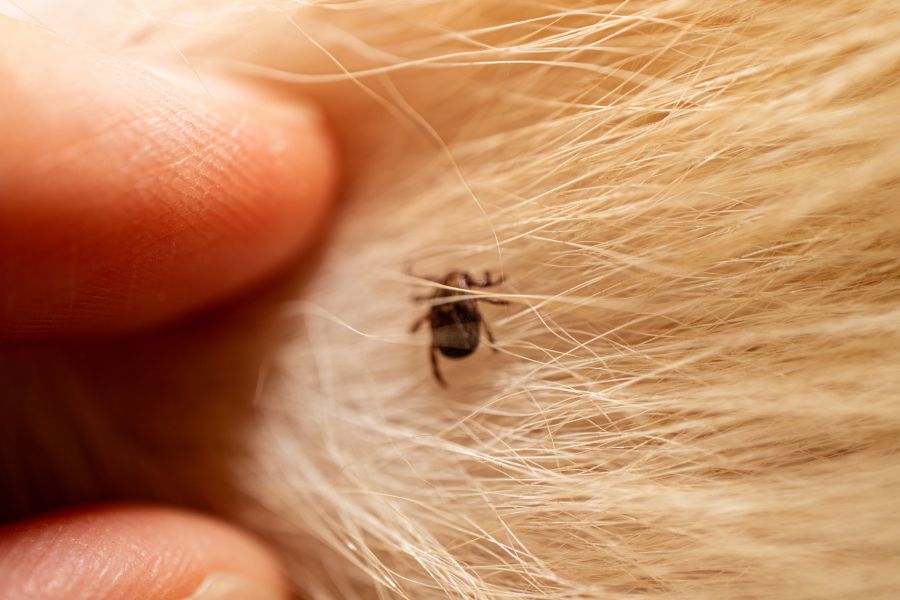
Fleas are one of the most common external parasites affecting dogs, and they can turn a happy, healthy pet into an uncomfortable and itchy one in a matter of days. If you’ve noticed your dog scratching more than usual or found tiny black specks in their fur, you may be dealing with a flea problem.
This guide breaks down what causes fleas, how to treat them, and practical home remedies, while helping you understand what to do if your dog has fleas in a clear and actionable way.
What Are Fleas and Why Are They a Problem?
Fleas are small, wingless parasites that feed on your dog’s blood. They multiply quickly and can spread throughout your home if not addressed early.
A single flea can lay dozens of eggs each day. These eggs fall off your dog and settle into carpets, bedding, and furniture. That’s why treating fleas is not just about your dog—it’s about your entire environment.
Common Signs of Fleas on Dogs
- Constant scratching, biting, or licking
- Red or irritated skin
- Hair loss in patches
- Tiny black specks (flea dirt) in fur
- Visible fleas moving through the coat
If you notice any of these signs, it’s time to act quickly.
Causes: How Do Dogs Get Fleas?
Fleas are opportunistic. They don’t appear out of nowhere—they come from the environment.
1. Outdoor Exposure
Dogs can pick up fleas while playing in yards, parks, or wooded areas. Fleas thrive in warm, humid environments.
2. Contact with Other Animals
If your dog interacts with other pets, stray animals, or wildlife, fleas can transfer easily.
3. Infested Indoor Spaces
Flea eggs and larvae can hide in carpets, furniture, and bedding. Even indoor dogs are at risk.
4. Seasonal Surges
Fleas are more active during warmer months, but indoor heating allows them to survive year-round.
What to Do If Your Dog Has Fleas
When fleas appear, quick action makes a big difference. Here’s a step-by-step plan to help you handle the situation effectively.
Step 1: Confirm the Presence of Fleas
Use a fine-tooth flea comb and check areas like the neck, tail base, and belly. Look for live fleas or flea dirt.
Step 2: Start Immediate Treatment
Begin treating your dog with a vet-approved flea product. This may include topical treatments, oral medications, or medicated shampoos.
Step 3: Clean Your Home Thoroughly
Vacuum carpets, rugs, and furniture daily for several days. Dispose of the vacuum bag outside.
Step 4: Wash All Fabrics
Wash your dog’s bedding, your bedding, and any soft surfaces your dog touches in hot water.
Step 5: Prevent Reinfestation
Continue flea prevention treatments regularly. Flea life cycles can last weeks, so consistency is key.
Understanding what to do if your dog has fleas helps prevent a small problem from becoming a full infestation.
Treatment Options for Fleas on Dogs
There are several effective treatment options available. The best choice depends on your dog’s age, health, and the severity of the infestation.
1. Topical Treatments
These are applied directly to your dog’s skin, usually between the shoulder blades. They kill fleas on contact and offer ongoing protection.
2. Oral Medications
Prescription flea tablets work from the inside out. Fleas die after biting your dog. Some products start working within hours.
3. Flea Shampoos
Medicated shampoos kill fleas on contact and provide immediate relief. They are often used alongside other treatments.
4. Flea Collars
Modern flea collars release active ingredients over time, providing long-term protection.
5. Veterinary Guidance Matters
Always follow dosing instructions and consult your veterinarian when choosing a treatment. Some products are not safe for puppies or dogs with certain health conditions.
Home Remedies for Fleas: What Works and What Doesn’t
Many pet owners look for natural ways to manage fleas. Some methods can help, but they are usually not enough on their own.
Helpful Home Remedies
1. Apple Cider Vinegar Spray
Mix equal parts water and apple cider vinegar. Spray lightly on your dog’s coat. This may help repel fleas, but does not kill them.
2. Lemon Spray
Boil sliced lemons in water, let them cool, and apply them to your dog’s fur. The scent can discourage fleas.
3. Regular Grooming
Frequent brushing with a flea comb helps remove fleas and eggs.
4. Vacuuming
Daily vacuuming is one of the most effective ways to remove flea eggs from your home.
What to Avoid
- Essential oils without veterinary approval
- Dish soap as a regular treatment
- DIY solutions that claim to eliminate fleas completely
Natural remedies can support treatment, but they should not replace proven flea control methods.
Why Treating Your Home Is Just as Important
Fleas spend most of their life cycle off your dog. Eggs, larvae, and pupae can hide in your home for weeks.
Key Areas to Target
- Carpets and rugs
- Pet bedding
- Upholstered furniture
- Cracks in floors
Using household flea sprays or professional pest control may be necessary for severe infestations.
Long-Term Flea Prevention Tips
Preventing fleas is easier than dealing with an infestation.
1. Stay Consistent with Preventatives
Use monthly flea treatments year-round, even if your dog stays indoors.
2. Keep Your Yard Clean
Trim grass and remove debris where fleas can thrive.
3. Regular Vet Checkups
Routine exams help catch early signs of parasites.
4. Maintain Hygiene
Frequent washing of bedding and regular grooming reduce risk.
If you’re unsure about the best prevention plan, visit our website to explore reliable parasite care guidance for your pet.
Conclusion: Take Control Before Fleas Take Over
Fleas can spread quickly, but they are manageable with the right approach. Knowing what to do if your dog has fleas enables you to act promptly, alleviate discomfort for your pet, and prevent a more severe infestation.
Focus on three essentials:
- Treat your dog with effective products
- Clean your home thoroughly
- Stay consistent with prevention
If your dog is showing signs of fleas, don’t wait. Start treatment today and keep your pet comfortable, healthy, and itch-free.
Frequently Asked Questions
1. Do I Need to Treat My Home for Fleas if My Dog Has Them?
A: Yes. Fleas lay eggs that fall into your home. Without cleaning your environment, fleas will continue to return even after treating your dog.
2. What Kills Fleas on Dogs Immediately?
A: Fast-acting oral medications and flea shampoos can kill fleas within hours. These are often the quickest solutions for immediate relief.
3. What to Do Immediately If My Dog Has Fleas?
A: Start by confirming fleas, then use a vet-approved treatment, clean your home, and wash all fabrics. Acting quickly helps break the flea life cycle.
4. Should I Wash My Bedding If My Dog Has Fleas?
A: Yes. Wash all bedding, including your own, in hot water to remove fleas, eggs, and larvae.
5. What Eliminates Fleas in the House?
A: A combination of vacuuming, washing fabrics, and using household flea treatments is the most effective approach. Severe cases may require professional pest control.
6. Can I Still Cuddle My Dog If He Has Fleas?
A: You can, but take precautions. Fleas may transfer to you or your home. Treat your dog and surroundings promptly to reduce the risk.