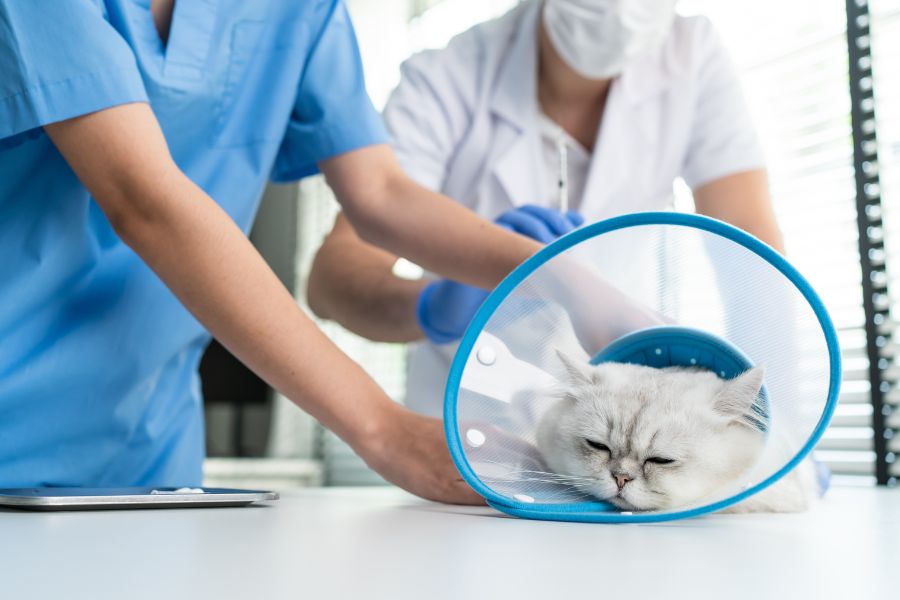
Pets can get hurt or become sick when families least expect it. Being prepared can make those stressful moments easier to manage.
A pet first aid kit gives you basic supplies for providing temporary help before reaching a veterinarian. It can be useful at home, during road trips, or while exploring Colorado with your companion. However, first aid never replaces professional veterinary treatment. The AVMA recommends contacting a veterinarian or emergency hospital during an emergency.
At Founders Green Animal Hospital, we understand how frightening sudden health concerns can feel. Our Denver team provides compassionate veterinary support when your companion needs timely attention.
Why Should Pet Owners Keep First Aid Supplies Ready?
An injury can happen during an ordinary walk, play session, or family trip. Cuts, broken nails, eye irritation, and unexpected illness can require quick attention. Having supplies together saves valuable time when your pet needs help. You will not need to search different cabinets during an already stressful situation.
First aid supplies can help you manage minor problems temporarily. They may also help stabilize your companion while you arrange veterinary treatment. Preparation is especially helpful for families who hike, camp, or travel with their animals.
What Should You Put in a First Aid Kit for Your Pet?
Your kit should contain practical items for basic wound care, safe handling, and transportation. The AVMA recommends several supplies that can support pets before veterinary care becomes available.
Consider keeping these essentials together:
- Gauze rolls and pads: These can cover wounds or help control minor bleeding.
- Nonstick bandages: They can protect an injured area without sticking directly to the wound.
- Self-adhering bandage material: This helps hold dressings securely while traveling to a veterinary hospital.
- Blunt-ended scissors: These can safely cut gauze, tape, or other bandaging materials.
- Disposable gloves: Gloves protect your hands while you manage blood, wounds, or other bodily fluids.
- Tweezers: They can help remove small, visible foreign materials when removal is safe.
- Sterile saline solution: Saline can help gently rinse certain wounds or flush debris from the eyes.
- Digital thermometer: A thermometer can provide useful information when your veterinarian requests a temperature reading.
- Clean towels: Towels can provide padding, help control messes, or assist with safely handling cats.
- Small flashlight: Better visibility can help you examine paws, skin, eyes, or other areas.
- Spare leash and collar: These provide additional control when your pet becomes frightened or uncomfortable.
The AVMA also recommends keeping medical information and emergency contact numbers available.
Keep Your Pet’s Important Information With the Supplies
First aid equipment is only one part of emergency preparation. Important information can be equally valuable during a stressful situation.
Keep a waterproof copy of your pet’s medical records with your supplies. Include current medications, allergies, medical conditions, and vaccination information.
Add your regular veterinarian’s phone number and the nearest emergency hospital. Store these contacts in your phone as well.
You should also keep a recent photograph of your companion. The American Red Cross recommends current photos within emergency preparedness supplies.
These details become especially useful during travel, evacuations, or unexpected visits to another veterinary facility.
Should Medications Be Included?
Avoid adding medications simply because they might seem useful during an emergency. Human medications can be dangerous for dogs and cats.
Even commonly available products may require veterinary guidance before use. Dosages can depend on species, weight, health conditions, and other medications.
The AVMA specifically advises veterinary or poison-control guidance before using products intended to induce vomiting.
Ask your veterinarian whether your companion needs any specific emergency medication. Keep prescribed medications clearly labeled and regularly check expiration dates.
Where Should You Keep Your First Aid Supplies?
Keep your supplies somewhere dry, organized, and easy to reach. Everyone in your household should know the storage location.
The American Red Cross recommends storing emergency items inside sturdy, easily carried containers.
Consider keeping a smaller travel version inside your vehicle. This can be valuable during hiking, camping, vacations, or longer drives.
Never leave temperature-sensitive medications inside a hot or freezing vehicle. Ask your veterinarian about proper storage requirements.
Review your supplies every few months. Replace expired products, damaged packaging, missing items, and outdated medical information.
When Is First Aid Not Enough?
First aid should provide temporary support rather than replace diagnosis or treatment. Some symptoms require prompt professional assessment.
Seek veterinary guidance for concerning problems such as:
- Persistent or significant bleeding
- Difficulty breathing
- Severe pain
- Collapse or extreme weakness
- Suspected poisoning
- Significant wounds
- Serious eye injuries
- Repeated vomiting
- Major trauma
- Sudden neurological changes
If you believe your companion has a medical emergency, proceed to an appropriate emergency veterinary hospital. Founders Green provides local after-hours emergency hospital information for Denver pet owners.
How Can First Aid Help Before Reaching a Veterinarian?
The goal of first aid is to protect your companion while professional care is being arranged. Stay calm and move carefully.
An injured animal may behave differently because of fear or pain. Even normally gentle animals can react defensively when frightened.
Avoid attempting treatments that could worsen the injury. Contact a veterinary professional whenever you are uncertain about the safest next step.
For large dogs with serious injuries, the AVMA suggests using a blanket or similar item as a temporary stretcher.
Keep transportation in mind when organizing the first aid kit. A carrier, leash, or harness should always remain easily accessible.
Be Prepared for Unexpected Pet Health Concerns in Denver
Preparation gives you practical tools when your companion suddenly needs help. It can also help you respond more calmly during stressful moments.
Founders Green Animal Hospital is a full-service veterinary hospital serving pets and families throughout Denver. The hospital provides preventive, diagnostic, surgical, dental, and urgent veterinary services.
Same-day appointments are available when pets need timely attention. True medical emergencies should be taken directly to an appropriate emergency veterinary hospital.
If your companion develops an unexpected health concern, contact Founders Green Animal Hospital. Our team can help determine the appropriate next step.
Being prepared starts with supplies, knowledge, and access to professional support. Build your pet first aid kit before an unexpected situation occurs.
For urgent care for pets in Denver, contact Founders Green Animal Hospital for guidance and available same-day care.
Frequently Asked Questions(FAQs):
1. Can I use a human first aid kit for my pet?
A: Some basic supplies can work for both people and animals. The AVMA notes that many family first-aid items can support pets.
2. How often should I check my pet’s first aid supplies?
A: Review everything every few months and before longer trips. Check expiration dates, packaging, medical records, medications, and emergency contact information.
3. Should I keep hydrogen peroxide for pet emergencies?
A: The AVMA lists three-percent hydrogen peroxide for specific poisoning situations. However, it should only be used after professional guidance.
4. Can I clean my pet’s wound at home?
A: Sterile saline can help rinse some minor wounds until veterinary care is available.
5. Should I take first aid supplies when hiking with my dog?
A: Yes. A compact travel kit can be helpful during hikes, camping trips, and other outdoor activities.
6. What should I do if my pet eats something poisonous?
A: Contact a veterinarian or animal poison-control service immediately. Keep the product packaging or substance information available when possible.
7. When should I seek urgent veterinary care instead of treating my pet at home?
A: Seek professional care when symptoms are severe, worsening, painful, or difficult to assess. Significant bleeding, breathing problems, poisoning, and major trauma require immediate attention.