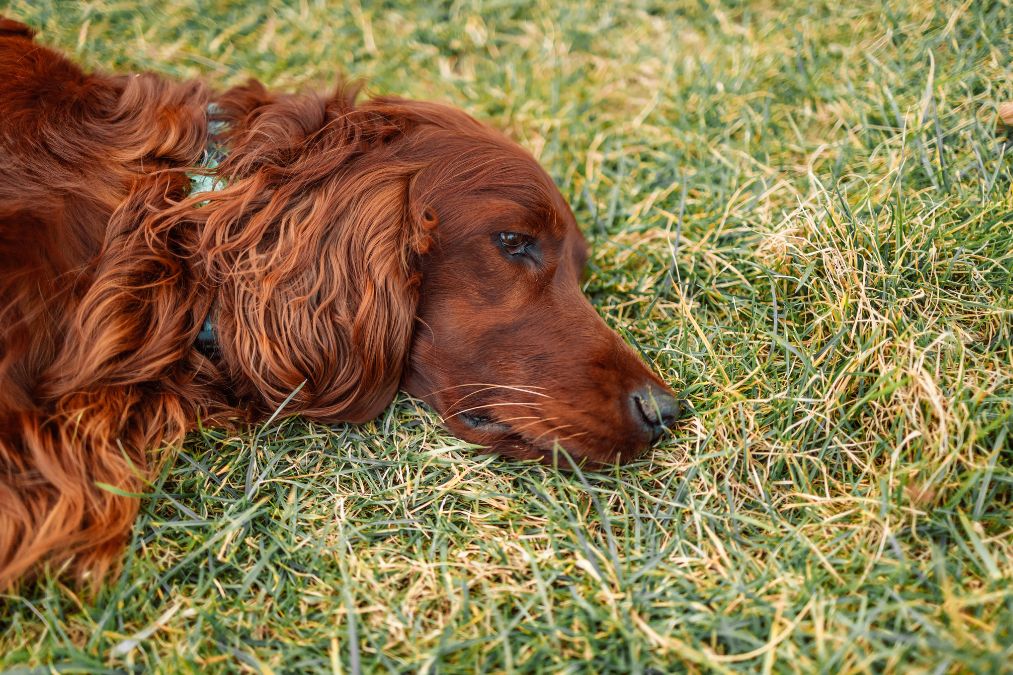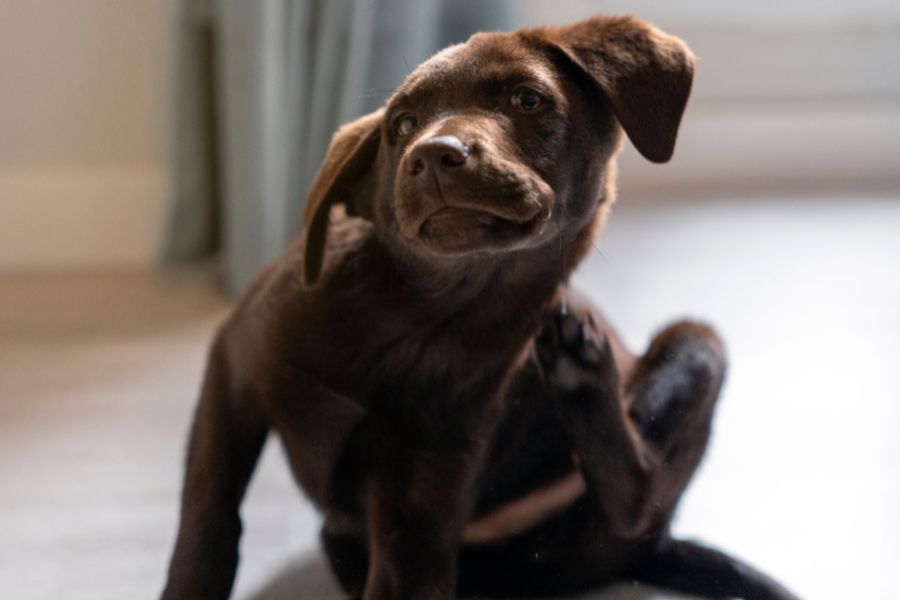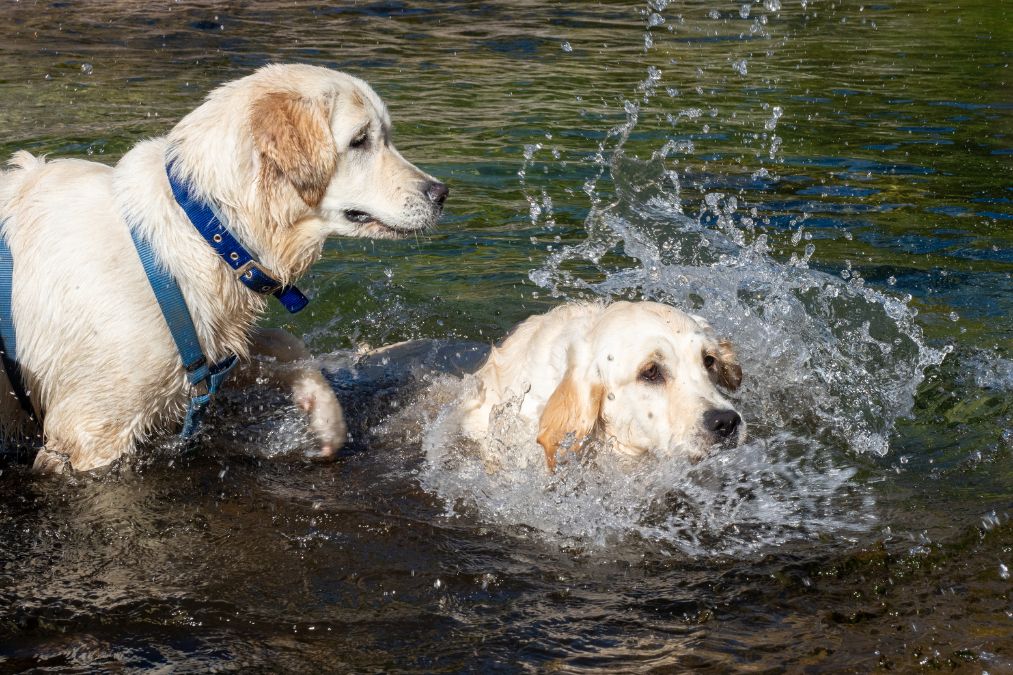
Rising temperatures can quickly put pets at risk, especially when heat and humidity combine. Heatstroke is a serious condition that develops faster than many pet owners expect, often during routine outdoor time.
This guide explains how heat affects pets, the warning signs to watch for, and the simple steps you can take to keep them safe. You will also learn how to respond in an emergency and when professional care is necessary.
These summer safety tips for pets will help you make informed decisions, reduce risks, and keep your companion comfortable throughout the hottest months in Denver.
Understanding Heatstroke in Pets
Heatstroke happens when a pet’s body temperature rises beyond a safe range, and they can no longer cool down effectively. Dogs and cats do not sweat like humans. They rely on panting and limited cooling through their paws, which makes them more vulnerable in hot weather.
Flat-faced breeds, senior pets, overweight animals, and those with thick coats face higher risks. Even healthy pets can develop heatstroke if exposed to high temperatures without shade or water.
Common Causes of Heatstroke
1. Hot Weather Walks
Walking pets during midday heat can quickly lead to overheating. Pavement also becomes extremely hot and can burn paw pads.
2. Poor Ventilation
Leaving pets in enclosed areas, including parked cars or poorly ventilated rooms, traps heat and raises internal temperatures rapidly.
3. Lack of Hydration
Without consistent access to fresh water, pets struggle to regulate body temperature.
4. Excessive Exercise
High activity levels in warm weather increase heat production inside the body.
Signs Your Pet May Be Overheating
Recognizing early symptoms can prevent serious complications. Watch for:
- Heavy panting or difficulty breathing
- Drooling more than usual
- Lethargy or weakness
- Vomiting or diarrhea
- Bright red or pale gums
- Confusion or unsteady movement
If symptoms progress, the situation can become life-threatening. Immediate action is necessary.
Immediate Steps to Take
If you suspect heatstroke:
1. Move to a Cooler Area
Bring your pet indoors or into the shade right away.
2. Offer Water
Provide small amounts of cool water. Avoid forcing them to drink.
3. Lower Body Temperature Gradually
Use a damp towel or cool (not cold) water on their body. Focus on the belly, paws, and neck.
4. Seek Professional Help
Contact a veterinarian near you if symptoms do not improve quickly or appear severe.
Practical Prevention Strategies
1. Keep Walks Timed Right
Choose early morning or evening for outdoor activities. Surfaces are cooler, and the risk is lower.
2. Provide Shade and Shelter
Ensure your pet always has access to shaded areas when outdoors.
3. Hydration Is Essential
Fresh, clean water should be available at all times. Consider multiple bowls if your home has several levels.
4. Avoid Hot Cars
Even a few minutes in a parked car can become dangerous. Temperatures rise quickly, even with windows slightly open.
5. Maintain Grooming
Regular brushing helps reduce excess fur and improves airflow through the coat.
Creating a Cool Environment at Home
Indoor comfort plays a key role in prevention. Keep your home well-ventilated and use fans or air conditioning when possible. Cooling mats and damp towels can offer relief for pets that prefer lying on cool surfaces.
For pet owners in Denver, dry heat can be deceptive. Temperatures may feel manageable, but the sun’s intensity still raises the risk of overheating. Always monitor your pet during outdoor time, even on mild days.
Outdoor Safety Tips for Local Conditions
Denver’s elevation and strong sunlight create unique challenges. Pets may tire faster and overheat more quickly during hikes or walks. Carry portable water, take frequent breaks, and avoid steep or exposed trails during peak hours.
Dog parks can also become hot zones. Check the ground temperature before letting your pet run freely. If it feels too hot for your hand, it is unsafe for paws.
These summer safety tips for pets can make a noticeable difference in preventing heat-related emergencies.
When to Seek Veterinary Care
Not all cases of overheating resolve at home. If your pet shows severe symptoms like vomiting, collapse, or continued distress, professional care is essential. A veterinarian can provide supportive treatment, hydration, and monitoring to prevent complications.
Early intervention often leads to better outcomes. Delaying care increases risks, especially during peak summer months.
Building a Summer Routine
Consistency helps reduce risk. Create a daily routine that includes:
- Scheduled outdoor time during cooler hours
- Regular hydration checks
- Observation of behavior changes
- Access to cool resting areas
Pets thrive on routine, and predictable schedules make it easier to maintain safety during seasonal changes.
Conclusion
Protecting your pet from heatstroke requires awareness, preparation, and quick action when needed. Small changes in routine can significantly reduce risks and improve comfort during warmer months. From adjusting walk times to ensuring proper hydration, every step contributes to your pet’s well-being.
Stay attentive to early warning signs and respond promptly if something feels off. If you ever have concerns about your pet’s condition, do not hesitate to seek help. Book an appointment with a trusted professional to ensure your pet stays healthy and safe throughout the season.
Reach out to our Denver facility at 7545 E 29th Pl, Denver, CO 80238—where compassionate care and community come together for your pet’s well-being.
Frequently Asked Questions(FAQs):
1. What temperature is too hot for pets?
A: Temperatures above 85°F can be risky, especially with humidity. Pets can overheat quickly without shade or water. Always monitor behavior and limit outdoor exposure during peak heat hours to reduce risk.
2. Can pets recover from heatstroke at home?
A: Mild cases may improve with cooling and hydration. Severe symptoms require immediate professional care. Delaying treatment can lead to complications, making early response critical for recovery and long-term health.
3. How can I tell if the pavement is too hot?
A: Place your hand on the pavement for five seconds. If it feels too hot to hold, it can burn your pet’s paws. Opt for grassy areas or walk during cooler parts of the day.
4. Are certain pets more at risk?
A: Yes, flat-faced breeds, older pets, overweight animals, and those with thick coats are more vulnerable. These pets require extra care, shorter outdoor time, and close monitoring during warm weather.
5. Is it safe to leave pets outside with water?
A: Water alone is not enough. Pets also need shade and proper airflow. Without these, heat can build up quickly, increasing the risk of heatstroke even if water is available.
6. How often should I give water during walks?
A: Offer small amounts every 10–15 minutes during warm weather. Frequent hydration helps regulate body temperature and prevents overheating, especially during longer walks or outdoor activities.