Winter always brings shorter days, colder temperatures, and a stronger need for comfort indoors. During this time, pets often rely heavily on their home environment to meet their physical and emotional needs.
Because outdoor time becomes limited, extra attention is needed to keep both dogs and cats safe, healthy, and stimulated. Although chilly weather can be enjoyed through quick outdoor breaks, most pets spend the majority of their winter hours inside—making proper indoor care extremely important.
In this helpful guide, a variety of practical indoor winter care tips are shared to support pet owners. As you read further, you’ll notice how simple adjustments in daily routines can significantly enhance your companion animal’s comfort throughout the season. Additionally, one brief reference to a Denver veterinarian is made for internal linking purposes.
Warm Indoor Spaces Should Be Maintained
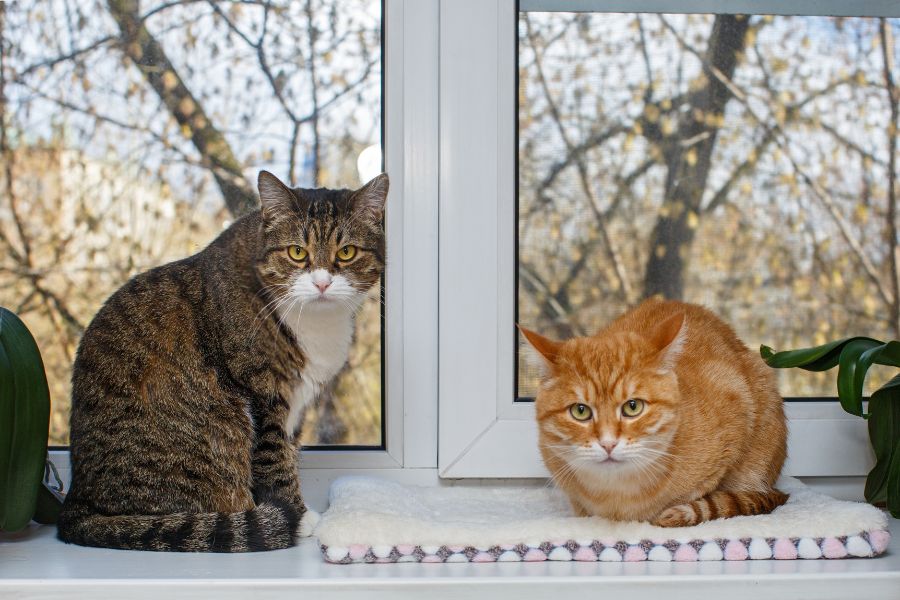
Warmth becomes essential when cold weather settles in. Even though pets have natural fur coats, drafts and low indoor temperatures can make them feel chilly. Therefore, creating a consistently warm indoor environment is highly recommended. Soft bedding should be placed in areas away from floor vents, doors, or windows that may allow cold air to enter. Furthermore, cozy blankets or thick mats can be added to promote insulation.
For households with tile or hardwood flooring, rugs can be used to prevent cold surfaces from affecting sensitive paws. Although it may seem minor, this small addition can greatly increase everyday comfort. Moreover, elevated beds can be helpful since they reduce contact with cold floors and provide better warmth retention.
Hydration Should Be Encouraged Throughout Winter
Even when temperatures drop, hydration remains important. However, pets often drink less during the winter months because cooler indoor environments naturally reduce thirst. Since proper hydration supports digestion, circulation, and joint function, water intake should be monitored closely.
To encourage more frequent drinking, fresh water should be provided daily. In addition, stainless-steel or ceramic bowls can help keep water at a consistent temperature. Some pets are more inclined to drink from running water, so a pet fountain may be a beneficial option. By ensuring that water sources remain clean and accessible, dehydration can be prevented throughout the season.
Indoor Exercise Should Be Prioritized
Because outdoor activity is reduced during winter, indoor exercise becomes essential for both dogs and cats. Without physical activity, weight gain, restlessness, and behavioral issues may begin to appear. Therefore, movement should be incorporated into everyday routines.
For dogs, interactive toys, tug-of-war ropes, and short hallway fetch sessions can be used to promote daily activity. For cats, climbing towers, laser toys, and feather wands can support healthy indoor movement. Additionally, slow-feeder bowls or treat puzzles can provide both enrichment and exercise at the same time.
Although winter often limits outdoor playtime, indoor exercise can effectively keep pets active and mentally stimulated.
Healthy Nutrition Should Be Maintained
Winter routines may cause pets to expend less energy, which means calorie adjustments may be needed. However, their nutrition should still be carefully balanced. To avoid unnecessary weight gain, portion sizes should be monitored, and seasonal treats should be offered in moderation.
High-quality food appropriate for the pet’s age, breed, and overall health should be continued. Furthermore, supplements such as omega-3 fatty acids may help support skin and coat health during months when dry indoor air becomes common. While individualized guidance may occasionally be needed, consistent and balanced nutrition remains important for every pet.
Indoor Air Quality Should Be Improved
Winter typically brings closed windows, reduced airflow, and increased use of heating systems. Because of this, indoor air quality often decreases. Pets, especially those with sensitivities or mild respiratory concerns, may feel the effects of dry air or airborne irritants.
To improve air circulation, HEPA filters can be used in the home. Additionally, humidifiers can help counteract dry indoor heating and create a more comfortable environment for both pets and people. Regular cleaning of bedding, soft toys, and carpets can also minimize exposure to dust and allergens. With small but consistent efforts, indoor air quality can be noticeably improved.
Comfortable Grooming Routines Should Be Maintained
Although winter may reduce outdoor play, regular grooming still plays an important role. Brushing helps remove loose fur, increases circulation, and prevents matting. Moreover, it enhances coat insulation, which naturally keeps pets warmer. Because indoor heating can dry out skin, moisturizing shampoos or conditioning sprays may also be helpful.
Nail trimming should continue throughout the season, as reduced outdoor activity often means nails are worn down less frequently. By staying consistent with grooming habits, pets can remain healthier and more comfortable during cold months.
Safe Indoor Environments Should Be Ensured
Indoor winter hazards may not be obvious at first, but they do exist. Heaters, fireplaces, and space warmers should be protected with barriers to prevent accidental burns. Additionally, holiday decorations, electrical cords, and seasonal plants should be placed out of reach to avoid chewing or swallowing accidents.
Salt and ice-melt residue can also be tracked indoors, which may irritate paws when licked. Therefore, paws should be wiped regularly after outdoor trips. These simple precautions can significantly reduce common indoor winter risks.
Mental Stimulation Should Be Integrated Into Daily Routines
Cold weather often results in more time spent indoors, which can lead to boredom. When pets become mentally understimulated, behavioral changes may appear. Therefore, puzzle feeders, food-dispensing toys, window perches, scent-based enrichment games, or short training sessions can provide the mental activity pets need.
Even a few minutes of engagement each day can greatly improve emotional well-being during long winter months.
Winter can be a comfortable and enjoyable season for dogs and cats when indoor care is approached thoughtfully. With warm spaces, proper hydration, consistent exercise, safe surroundings, balanced nutrition, and regular grooming, pets can thrive despite the cold weather outside. By taking proactive steps throughout the season, a cozy and healthy winter environment can be maintained for every companion animal.
If additional guidance is ever needed, support can be requested from a trusted Denver veterinarian during routine care discussions.