Cuts, scrapes, punctures, and torn skin can happen during play, outdoor adventures, or unexpected accidents. Some injuries appear small but hide deeper tissue damage that requires prompt attention. Understanding wound care and laceration repair helps pet owners recognize when home care is enough and when professional treatment is the safer choice.
This guide explains common wound types, the repair process, aftercare, healing expectations, and prevention tips while answering frequently asked questions. It also explains how urgent care for pets supports timely treatment that protects comfort and recovery. Families seeking dependable care in Denver can use this information to make informed decisions without unnecessary delays.
Understanding Wounds and Lacerations
A wound is any break in the skin or underlying tissue. Lacerations are tears caused by sharp objects, bites, or rough impacts. Surface scratches may heal with basic cleaning, while deeper injuries often require careful examination. Bleeding, swelling, contamination, and tissue damage all influence the treatment plan.
Prompt wound care lowers the chance of infection and supports healthy healing. Delaying treatment may allow bacteria to spread beneath the skin and increase discomfort.
Common Causes of Pet Wounds
Pets experience injuries in many everyday situations. Running through wooded areas, playing with other animals, stepping on sharp objects, climbing fences, or getting caught on metal edges can all create wounds. Bite injuries deserve careful evaluation because small punctures may hide more serious damage beneath the skin. Burns, abrasions, and torn nails may also require medical attention depending on their severity.
How Urgent Care Teams Evaluate Injuries
A complete examination helps determine the depth, location, and condition of the wound. The care team checks bleeding, surrounding tissue, contamination, and signs of pain. Some injuries require clipping hair around the area for better visibility. Diagnostic testing may be recommended if hidden damage is suspected. Accurate assessment guides the best repair method while reducing future complications.
Wound Cleaning and Laceration Repair
Cleaning is one of the most important parts of wound care. Dirt, debris, and bacteria are removed with sterile solutions before repair begins. Some wounds heal naturally after thorough cleaning, while others need stitches, surgical staples, or tissue adhesive. The chosen method depends on wound size, depth, location, and tension around the skin. Bandages may be applied to protect the area during early healing. Pain relief and appropriate medications support comfort throughout recovery.
Aftercare at Home
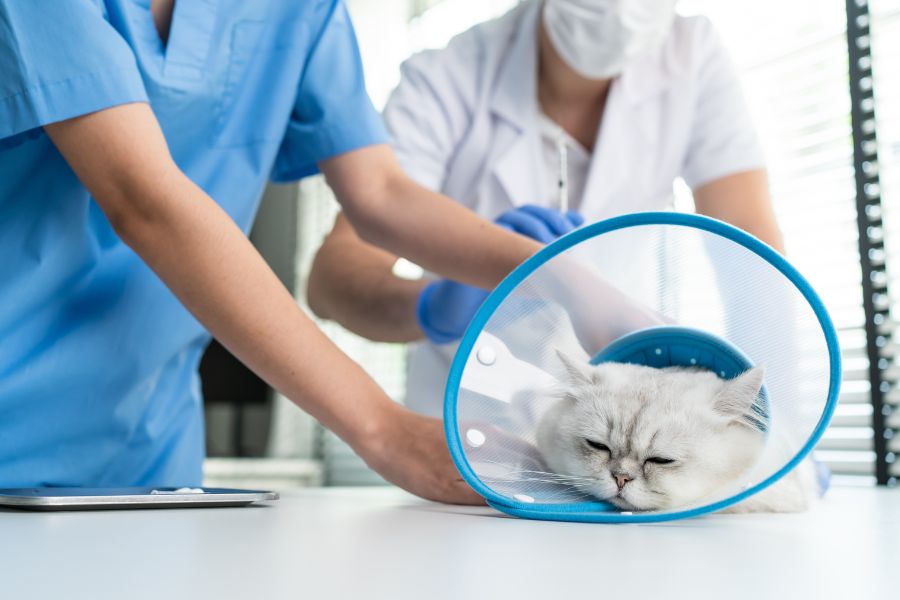
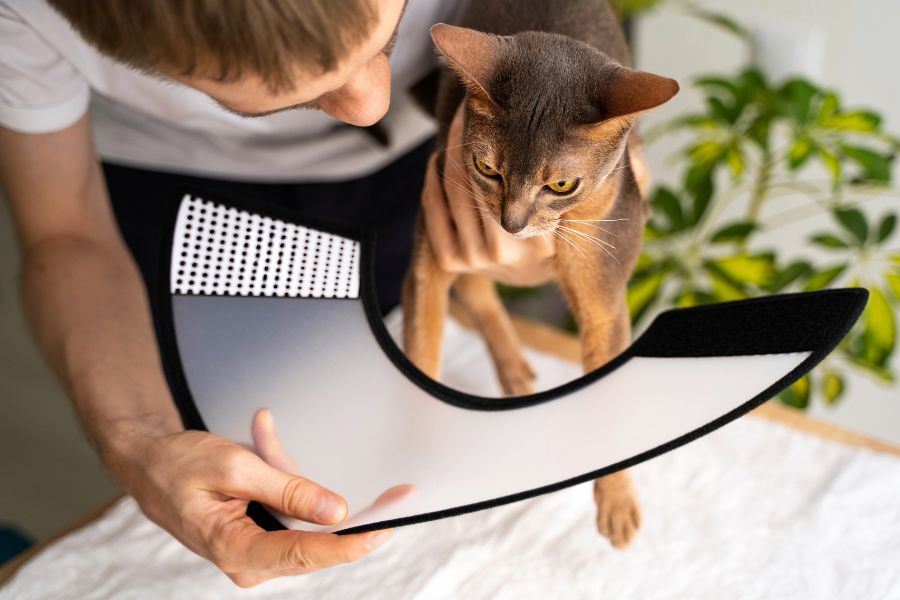
Successful healing continues after the visit. Keep bandages clean and dry unless instructed otherwise. Prevent licking or chewing with protective devices if recommended. Give medications exactly as directed. Monitor for swelling, discharge, unpleasant odor, reopening, or increased redness. Limit vigorous activity until healing progresses. Follow-up visits allow the care team to evaluate recovery and remove stitches when appropriate.
Signs Your Pet Needs Prompt Medical Attention
Some injuries require immediate evaluation instead of home treatment. Continuous bleeding, deep cuts, visible muscle, large skin flaps, bite wounds, punctures, severe swelling, persistent pain, or wounds near the eyes should never be ignored. Delayed treatment can complicate healing and increase the need for more extensive repair. Quick intervention supports better outcomes and greater comfort.
Tips for Preventing Future Injuries
Many wounds are preventable through simple safety habits. Supervise outdoor activities in unfamiliar areas. Remove sharp objects from yards and living spaces. Keep fences secure and inspect play equipment regularly. Introduce unfamiliar animals carefully to reduce fights. Maintain trimmed nails and use appropriate leashes during walks. Routine wellness visits also help identify conditions that may affect skin health and healing.
Conclusion
Prompt wound care protects your pet from unnecessary discomfort while encouraging healthy recovery. Even injuries that appear minor deserve close observation because hidden damage may exist beneath the surface. Early evaluation, proper cleaning, and appropriate laceration repair reduce complications and support lasting healing.
If your pet experiences a concerning wound, call us at (303) 771-6304 for timely urgent care services. If you’re located in Denver, reach out to Founders Green Animal Hospital, where compassionate care and community come together to support your pet’s well-being.
Frequently Asked Questions(FAQs):
1. Can a small cut heal without professional treatment?
A: Minor surface scratches may heal with careful cleaning and monitoring. Deep cuts, punctures, persistent bleeding, or wounds showing swelling, discharge, or pain should receive prompt medical evaluation to reduce complications and encourage proper healing.
2. How soon should a laceration be treated?
A: Lacerations should be examined as soon as possible after the injury occurs. Early cleaning and repair reduce contamination, improve healing, lower infection risk, and may increase the likelihood of successful wound closure.
3. Will every wound require stitches?
A: No. Treatment depends on the wound’s size, depth, location, contamination level, and surrounding tissue condition. Some injuries heal with cleaning and bandaging, while others benefit from stitches, staples, or medical adhesive.
4. How long does wound healing usually take?
A: Healing time varies with injury severity, overall health, and aftercare. Minor wounds often improve within days, while deeper lacerations may require several weeks and scheduled follow-up visits before complete recovery occurs.
5. What signs suggest a wound is becoming infected?
A: Increasing redness, swelling, unpleasant odor, thick discharge, excessive warmth, worsening pain, or delayed healing may indicate infection. Contact your care team promptly if any of these changes develop during recovery.
6. Can my pet lick the wound during healing?
A: Licking may introduce bacteria, damage stitches, and slow healing. Protective collars or other recommended devices help prevent irritation and support proper wound recovery until the skin has healed sufficiently.