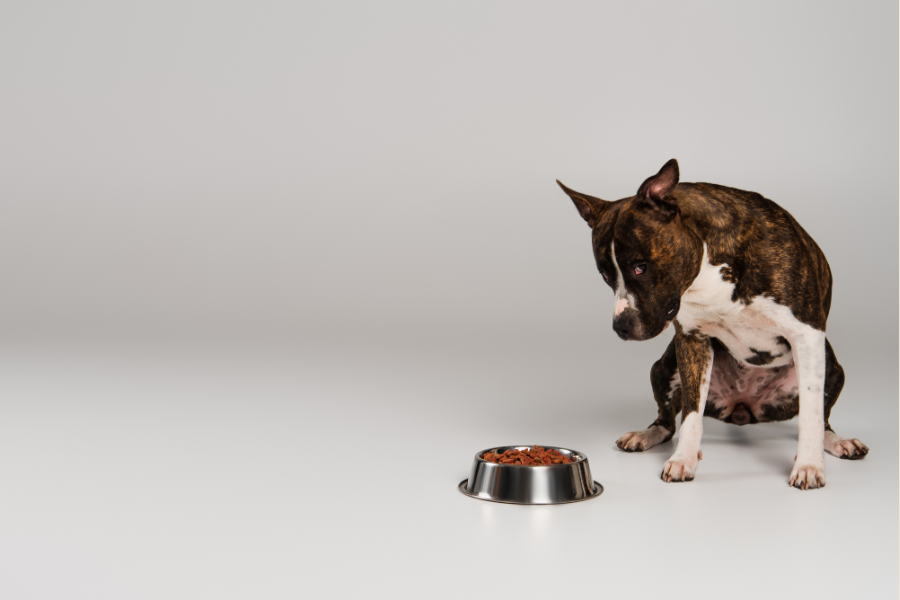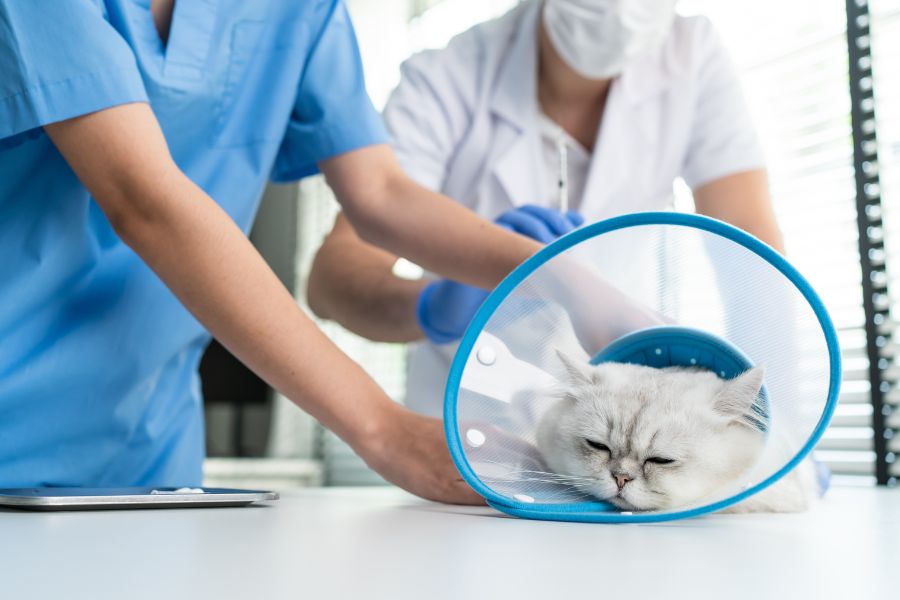
A reduced appetite after surgery can be part of normal recovery, especially during the first day when anesthesia, medication, stress, soreness, or nausea can affect eating habits. Appetite should show gradual improvement as comfort returns. Refusing all food, repeated vomiting, severe weakness, worsening pain, breathing changes, pale gums, or other unusual symptoms deserve prompt attention. If your pet is recovering after a procedure in Denver, knowing these signs can help you act with confidence.
Why Do Pets Lose Appetite After Surgery?
Anesthesia can leave a pet sleepy or mildly nauseated for several hours. Pain can make chewing, swallowing, moving toward a food bowl, or settling into a comfortable position unpleasant. Some pain medicines can also affect appetite.
Dietary instructions can affect interest, too. A pet accustomed to one food may hesitate when offered a new postoperative diet.
How Long Can Appetite Loss Last?
A mild appetite decrease during the first 12 to 24 hours can occur after many procedures. The recovery period depends on the surgery, age, health, medications, and individual response.
A pet that eats a small amount, drinks normally, rests comfortably, and becomes more alert can be showing reassuring progress. Appetite that remains absent, worsens, or occurs alongside other concerning signs should not be dismissed.
Signs That Recovery May Be Going Well
Look at the whole picture rather than focusing only on the food bowl. Reassuring signs can include:
- Drinking water normally
- Becoming more alert as medication effects fade
- Urinating as expected
- Resting comfortably
- Showing interest in family members
- Keeping small meals down
- Gradually returning to normal behavior
When Loss of Appetite Becomes a Warning Sign
A missed meal is different from complete refusal to eat for an extended period. Contact the care team when your pet refuses food beyond the expected recovery window or appetite does not begin improving.
Seek prompt urgent care for pets when appetite loss occurs with repeated vomiting, diarrhea, a swollen or painful abdomen, difficulty breathing, collapse, unusual bleeding, very pale gums, severe weakness, uncontrolled pain, confusion, or inability to keep water down.
The surgical incision deserves attention. Increasing redness, swelling, discharge, a foul odor, opening of the wound, or persistent licking can signal a complication.
What About Medication?
Medication can influence appetite. Some drugs cause nausea, drowsiness, or digestive upset. Giving medicine with food may be recommended for certain prescriptions, while other medications have specific instructions. Never skip, double, crush, or change a dose because your pet is not eating unless the care team tells you to do so.
How Can You Encourage Eating Safely?
Follow the discharge instructions closely. Offer the recommended food in a quiet, comfortable location. Small portions can be easier to manage than a full bowl. Fresh water should remain available unless instructions say otherwise.
Warming approved food slightly can increase its aroma. Hand-feeding may help some pets, provided it does not create stress. Avoid rich treats, table scraps, sudden diet changes, and unapproved supplements.
Track what your pet eats and drinks. Note vomiting, bowel movements, urination, energy, medication times, and changes around the incision.
What Should Pet Owners Avoid?
Do not assume every appetite change is caused by anesthesia. Do not force-feed a nauseated or painful pet unless specifically instructed. Do not give human pain relievers or leftover medication. Do not encourage vigorous activity because your pet seems restless.
Quiet rest, restricted movement, and incision protection can support healing.
When Should You Call?
Trust your observations. A small appetite decrease with steady improvement can be monitored according to discharge instructions. A pet that seems increasingly uncomfortable, weak, withdrawn, or unwell needs professional assessment.
Call us at 720-769-8754 for guidance about appetite loss, postoperative concerns, or urgent care needs.
Conclusion
Loss of appetite after surgery is not automatically a sign of trouble. The surrounding symptoms, duration, hydration, comfort, behavior, and incision appearance provide a clearer picture. Mild appetite changes can accompany normal recovery, while persistent refusal or worsening symptoms deserve timely attention. Careful observation helps you recognize normal healing and seek help when needed promptly. If you’re located in Denver, reach out to Founders Green Animal Hospital—where compassionate care and community come together for your pet’s well-being.
Frequently Asked Questions(FAQs):
1. Is it normal for a pet not to eat after surgery?
A: A lower appetite can be normal during the first day after surgery. Anesthesia, discomfort, nausea, stress, and medication can contribute. Your pet should remain reasonably comfortable, hydrated, and gradually more alert as recovery progresses.
2. How long can a dog go without eating after surgery?
A: Many dogs may eat less for several hours after a procedure. Complete refusal that continues beyond the expected recovery period should be discussed with the care team, especially when weakness, vomiting, pain, or other symptoms appear.
3. Should I force my pet to eat after surgery?
A: Force-feeding is not recommended unless specifically directed. A nauseated or painful pet may resist and could inhale food. Offer small amounts of approved food and water, then contact the care team if eating does not improve.
4. What should I feed my pet after surgery?
A: Use the diet recommended in the discharge instructions. Small portions of familiar, easily tolerated food may be appropriate for some pets. Avoid fatty treats, table food, sudden diet changes, and supplements unless the care team approves them.
5. When should I worry about my pet not eating?
A: Concern increases when appetite loss lasts longer than expected or appears with repeated vomiting, severe weakness, breathing difficulty, uncontrolled pain, pale gums, wound changes, dehydration, or unusual behavior. Prompt professional guidance can help identify complications.
6. Can pain medication cause loss of appetite?
A: Some medications can cause nausea, sleepiness, or digestive changes that reduce interest in food. Do not stop or alter prescribed medication on your own. Report appetite changes so the care team can determine whether adjustments are appropriate.