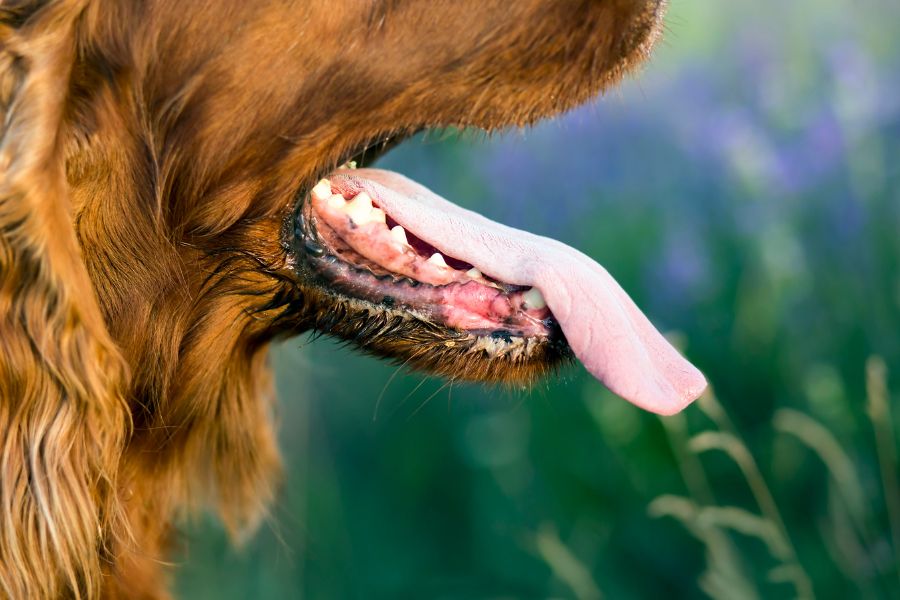
Pets can drool for many reasons, from excitement to smelling food. However, when drooling appears suddenly and excessively, it may point to something more dangerous—such as poisoning. Since pets are naturally curious, they may nibble on plants, foods, or substances that can harm them. Recognizing the signs early could make the difference between a quick recovery and a life-threatening emergency.
In this blog, we’ll dive deep into why drooling happens, how it connects to poisoning, and the immediate steps you should take if your pet shows alarming symptoms.
When Drooling Becomes More Than Just Slobber
Drooling on its own isn’t always concerning. Dogs may drool when they see their favorite treat, while cats sometimes drool when they’re relaxed. But when the saliva is thick, constant, or paired with other worrying signs, it can indicate that your pet’s body is reacting to toxins.
For example, if your dog chews on a toxic plant or ingests household chemicals, their body may produce extra saliva as a defense mechanism. This sudden change in drooling should never be ignored.
Common Poisons That Trigger Excessive Drooling
Pets don’t understand what’s safe and what’s not, which is why poisoning is unfortunately common. Several everyday items in and around the home can cause severe health issues.
- Toxic foods: Chocolate, grapes, onions, and xylitol (a sugar substitute) are notorious culprits.
- Household chemicals: Cleaning products, antifreeze, and insecticides pose serious risks.
- Outdoor dangers: Fertilizers, rodenticides, and certain plants like lilies (for cats) or azaleas (for dogs) can lead to poisoning.
If your pet comes into contact with any of these, excessive drooling may be one of the first warning signs.
Pairing Drooling with Other Warning Signs
While drooling alone can raise concerns, it’s when it combines with other symptoms that the situation often escalates into an emergency. Look out for:
- Vomiting or diarrhea
- Lethargy or unusual weakness
- Tremors, seizures, or staggering
- Loss of appetite
- Swollen gums or difficulty swallowing
These symptoms, especially in combination, can signal that a toxin is circulating in your pet’s body. Recognizing this cluster of signs is key to acting quickly.
Acting Fast: What Pet Owners Should Do Immediately
When you suspect poisoning, time is critical. Here are the steps you should take right away:
- Stay calm but move quickly. Panic can delay decision-making.
- Remove access to the toxin. If possible, take away the food, plant, or substance your pet may have ingested.
- Do not induce vomiting unless advised. Some toxins can cause more harm if brought back up.
- Call your veterinarian or an emergency animal poison hotline. Provide details about what your pet ingested, how much, and when.
- Seek immediate medical care. Even if symptoms seem mild, professional evaluation is essential.
Why Prompt Veterinary Care Saves Lives
The sooner your pet receives medical attention, the better the chances of recovery. Veterinarians can use diagnostic tools to confirm poisoning and administer treatments like activated charcoal, IV fluids, or specific antidotes.
Some cases require hospitalization for monitoring, especially if the toxin affects vital organs like the liver or kidneys. Acting quickly not only eases your pet’s suffering but can also prevent long-term damage.
Preventing Poisoning Before It Happens
While prevention may seem like extra effort, establishing a proper pet routine and maintaining a safe home environment is far easier than facing the stress of an emergency.
- Keep foods like chocolate, coffee, and grapes out of reach.
- Store cleaning products and medications in closed cabinets.
- Avoid planting toxic flowers and shrubs in your yard.
- Always supervise your pet outdoors, especially in unfamiliar environments.
Prevention may feel like extra effort, but it’s much easier than dealing with the stress of an emergency.
Learning From Real-Life Cases
Across the country, pet owners share stories of how quick action saved their furry companions. For instance, a curious puppy that chewed on a packet of sugar-free gum developed sudden drooling and weakness. Because the owner rushed the pup to the clinic within an hour, the veterinary team was able to stabilize the dog before lasting damage occurred.
Stories like these highlight that trusting your instincts can be lifesaving. If something seems wrong with your pet, it’s always safer to get them checked.
The Peace of Mind That Comes With Preparedness
Every pet parent dreads emergencies, but being informed can make those situations less overwhelming. Understanding when drooling is a harmless quirk versus when it signals poisoning helps you act with confidence. And when professional care is needed, reliable resources are always nearby.
Drooling may seem innocent, but in some cases, it’s the body’s alarm system signaling something much more serious. By knowing the common toxins, recognizing warning signs, and taking swift action, you give your pet the best chance of recovery.
Remember—your quick response could save your furry friend’s life. Stay prepared, stay observant, and never hesitate to reach out for veterinary help.