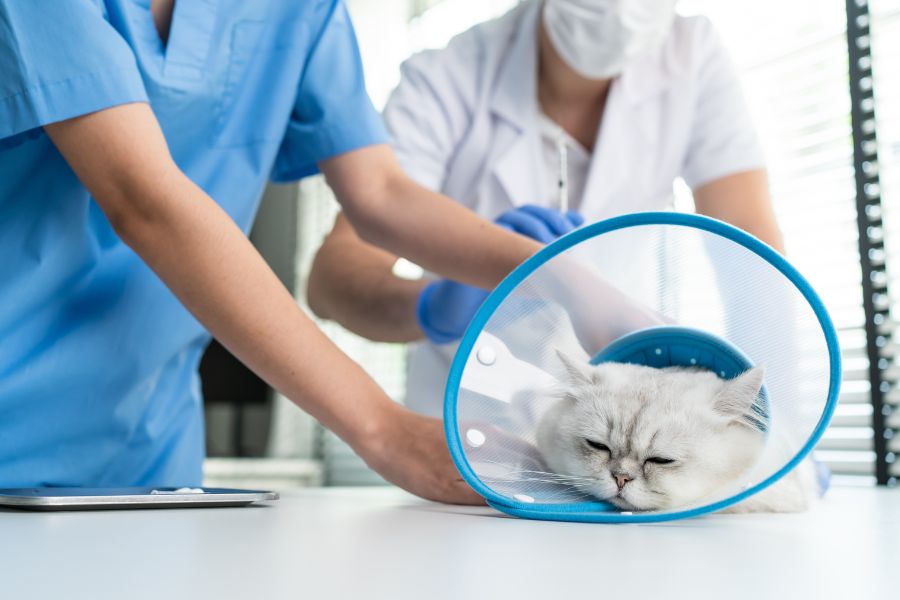
When your pet suddenly becomes ill or injured, knowing where to turn can make a significant difference. Finding reliable urgent pet care quickly helps reduce stress and ensures your companion receives timely attention. This guide explains how to locate trusted care, recognize situations that require prompt action, prepare for your visit, and gather the information your care team needs.
You will also learn what items to bring, what to expect during the appointment, and how preparation can help streamline the process. For pet owners seeking dependable support in Denver, understanding these steps ahead of time can make challenging situations more manageable.
Why Quick Access to Pet Care Matters
Pets cannot explain how they feel, which makes it important for owners to recognize changes in behavior and physical condition. Some health concerns develop gradually, while others appear without warning.
Prompt attention may help prevent complications and support a smoother recovery. Acting quickly also allows care teams to assess symptoms before they worsen.
Common reasons pets may need immediate attention include:
- Persistent vomiting or diarrhea
- Difficulty breathing
- Sudden limping or inability to stand
- Seizures
- Eye injuries
- Allergic reactions
- Accidental ingestion of harmful substances
- Unusual lethargy or weakness
How to Find Reliable Urgent Pet Care Near You
Finding quality care starts before a problem occurs. Researching local options in advance can save valuable time when your pet needs help.
1. Search Online Reviews and Ratings
Look for clinics with positive reviews, detailed feedback, and consistent ratings. Reviews often provide insight into communication, wait times, and overall client experiences.
2. Visit Clinic Websites
A clinic’s website can provide useful information about services, operating hours, accepted payment methods, and appointment availability.
3. Ask for Recommendations
Friends, family members, neighbors, and pet owners in local community groups can offer valuable suggestions based on personal experience.
4. Confirm Available Services
Not every facility offers the same level of care. Contact the clinic to verify they can evaluate your pet’s specific concern.
5. Save Contact Information
Store clinic phone numbers and addresses in your phone. Having quick access to this information can reduce delays when time matters.
Signs Your Pet Needs Prompt Medical Attention
Recognizing warning signs helps you decide when to seek help.
1. Breathing Difficulties
Labored breathing, excessive panting, wheezing, or blue-colored gums should never be ignored.
2. Severe Pain
Whining, trembling, hiding, aggression, or reluctance to move may indicate significant discomfort.
3. Sudden Behavioral Changes
Confusion, disorientation, collapse, or loss of coordination can signal serious underlying issues.
4. Uncontrolled Bleeding
Bleeding that does not stop after basic first aid requires immediate professional evaluation.
5. Suspected Toxic Exposure
Household cleaners, medications, certain foods, and toxic plants can be harmful to pets. If exposure is suspected, seek guidance right away.
What to Bring to Your Appointment
Preparation helps the care team understand your pet’s condition more efficiently.
1. Medical Records
Bring vaccination records, medication lists, and information about recent treatments if available.
2. Current Medications
Take photos of medication labels or bring the medications themselves. This helps prevent dosing errors and interactions.
3. Symptom Details
Write down when symptoms started and any changes you have observed.
Helpful details include:
- Appetite changes
- Water intake
- Bathroom habits
- Activity level
- Recent injuries
- Exposure to unusual foods or substances
4. Pet Identification Information
Bring identification tags, microchip details, and current contact information.
5. Comfort Items
A familiar blanket or toy may help reduce anxiety during the visit.
How to Transport Your Pet Safely
Safe transportation protects both your pet and everyone involved.
For dogs, use a leash or secure harness. Smaller dogs and cats should travel in sturdy carriers.
Pets experiencing mobility issues may need assistance entering and exiting the vehicle. Gentle handling minimizes discomfort.
If your pet appears distressed, remain calm and speak in a reassuring voice throughout the trip.
Questions to Ask During the Visit
Good communication helps pet owners make informed decisions.
Consider asking:
- What is causing these symptoms?
- Are additional tests recommended?
- What treatment options are available?
- What signs should I monitor at home?
- When should I schedule follow-up care?
Taking notes can help you remember important instructions after returning home.
Understanding Costs and Treatment Plans
Pet care costs vary depending on the condition, diagnostics, and treatment required.
Ask for a clear explanation of recommended services and estimated expenses before proceeding. Transparency helps owners understand available options and make decisions that fit their circumstances.
Many clinics are happy to discuss payment arrangements, financing programs, or alternative treatment approaches when appropriate.
Preparing Before You Need Help
One of the best ways to protect your pet is to plan.
Create a simple pet health folder containing:
- Medical history
- Vaccination records
- Medication information
- Microchip details
- Contact numbers for local care providers
Keeping these documents organized can save valuable time during unexpected situations.
Many pet owners also bookmark trusted resources and identify a nearby provider offering urgent care for pets before problems arise.
Partnering With a Trusted Care Team
Building a relationship with a dependable clinic provides peace of mind. Familiarity with your pet’s health history allows care providers to make more informed recommendations when concerns arise.
Regular wellness visits also help establish a baseline for your pet’s health, making it easier to identify changes that require attention.
Conclusion
Finding urgent pet care quickly and arriving prepared can make a challenging situation less stressful for both you and your pet. Knowing where to go, recognizing warning signs, and bringing essential information helps ensure a smoother experience and supports timely treatment decisions.
At Founders Green Animal Hospital, we are committed to providing compassionate, timely care when your pet needs prompt medical attention. Whether you have concerns about sudden illness, injury, or unexpected symptoms, our team is here to help. Call us at 720-769-8754 to learn more about our services.
If you are in the Denver area or nearby communities such as Aurora, Commerce City, Westminster, or Arvada, consider reaching out to Founders Green Animal Hospital, where compassionate care and a strong sense of community come together to support your pet’s health and well-being. We are proud to serve pets and their families throughout the region with personalized care focused on lifelong health and happiness.
Frequently Asked Questions(FAQs):
1. How do I know if my pet needs urgent care?
A: If your pet is having trouble breathing, experiencing severe pain, showing sudden weakness, suffering from continuous vomiting, or displaying unusual behavior, it is best to seek prompt professional evaluation as soon as possible.
2. What should I bring to an urgent pet care visit?
A: Bring medical records, medication information, vaccination history, identification details, and notes about symptoms. Any information regarding recent injuries, dietary changes, or potential toxin exposure can also be helpful.
3. Can I call a clinic before bringing my pet in?
A: Yes. Calling ahead allows staff to prepare for your arrival, guide transportation, and determine whether any immediate steps should be taken before your pet reaches the clinic.
4. How can I make my pet more comfortable during travel?
A: Use a secure carrier, leash, or harness. Bring a familiar blanket or toy and maintain a calm environment. Gentle handling helps reduce anxiety and supports safer transportation.
5. Are all urgent pet care facilities equipped to handle every condition?
A: No. Services vary by location. Contact the clinic beforehand to confirm they can assess and treat your pet’s specific condition and discuss any special requirements.
6. How can I prepare for future pet health concerns?
A: Maintain organized medical records, save important contact numbers, keep medication information updated, and identify a trusted pet care provider before a health issue occurs. Preparation helps reduce stress during unexpected situations.