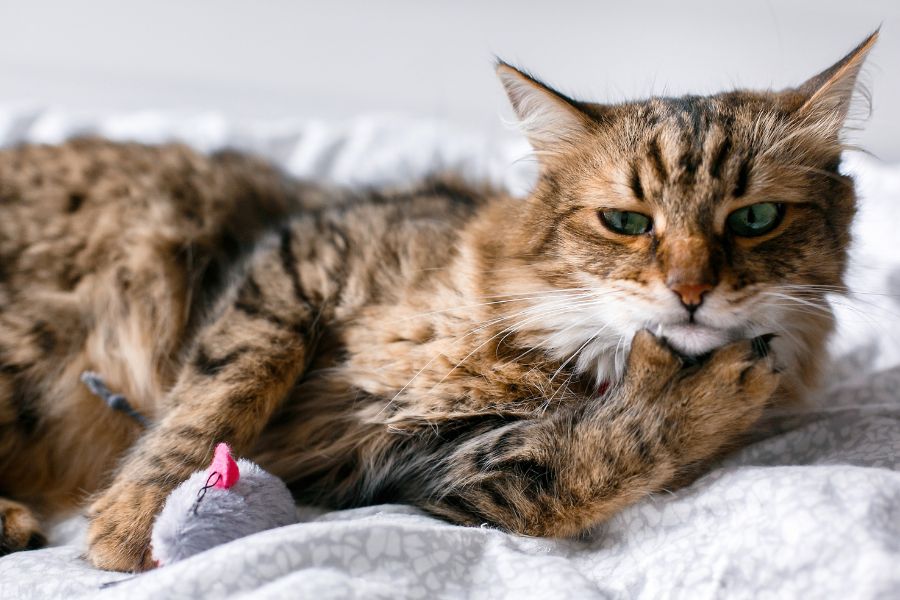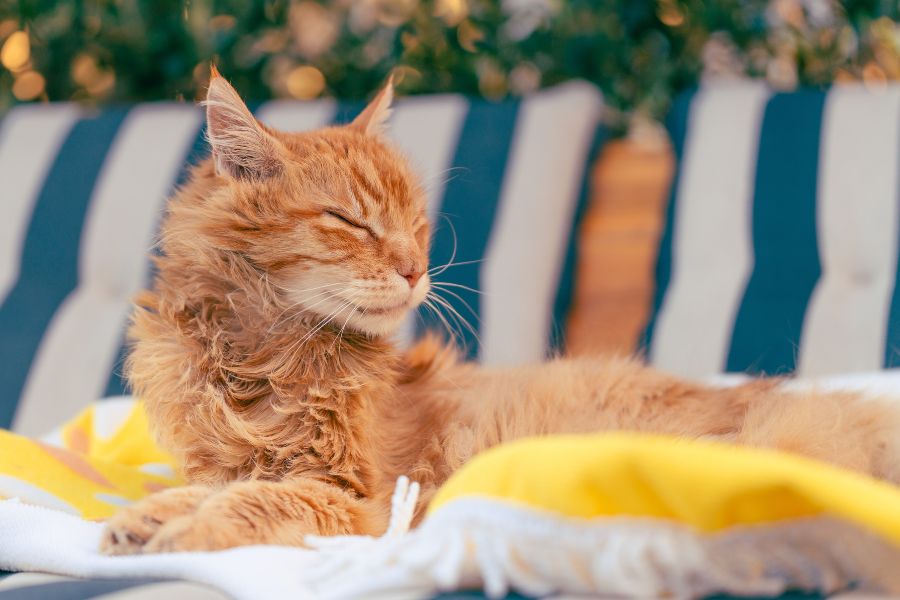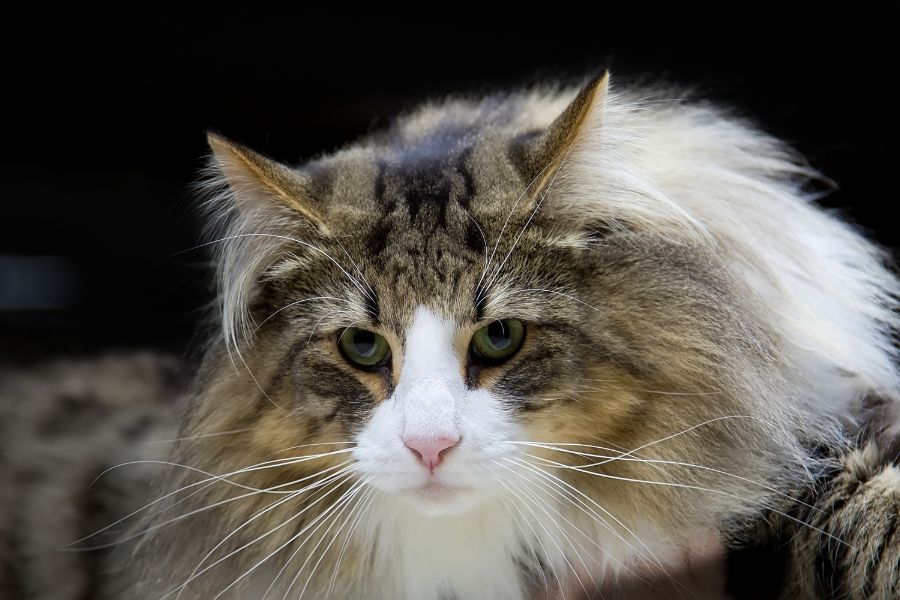
If you have been comparing fluffy, affectionate cat breeds, chances are you have come across the Ragamuffin and the Ragdoll. At first glance, they can look very similar. Both are large, gentle cats with soft coats, calm personalities, and a reputation for being wonderful companions.
So what sets them apart?
That is where things get interesting.
While these breeds share some traits, they are not the same cat. Their appearance, personality, care needs, health concerns, and even how they interact with families can be quite different. If you are trying to decide which breed fits your home and lifestyle, understanding those differences matters.
This guide breaks down the major differences between the Ragamuffin and Ragdoll so you can make a well-informed choice.
What Is the Difference Between a Ragamuffin and a Ragdoll?
The biggest difference comes down to breed history, personality style, and physical features.
A Ragdoll tends to have a more laid-back, almost floppy personality. Many love being carried and often go limp when relaxed, which is where the breed gets its name.
A Ragamuffin is also affectionate, but often shows a slightly more playful, curious, and adaptable personality. Many owners describe them as “teddy bear cats” because of their sweet nature and plush appearance.
While they may seem close cousins, they are distinct breeds with unique qualities.
Breed Origins
Ragdoll Origins:
The Ragdoll breed began in California in the 1960s. It was developed through selective breeding to create a large, relaxed, affectionate cat known for its docile nature and striking, pointed coat pattern.
Ragdolls gained popularity quickly because of their blue eyes, silky coats, and easygoing behavior.
Ragamuffin Origins:
The Ragamuffin developed later and has ties to Ragdoll breeding lines, though it became its own recognized breed through separate development.
Breeders focused on expanding colors, improving genetic diversity, and preserving the calm temperament people loved.
That is one reason the Ragamuffin comes in a much wider range of colors and patterns.
Appearance: How to Tell Them Apart
At a glance, these cats can fool almost anyone. Look closer, though, and differences become easier to spot.
Face Shape:
Ragdoll:
- Wedge-shaped head
- More angular appearance
- Medium-sized ears
Ragamuffin:
- Rounded face
- Walnut-shaped eyes
- Softer facial expression
- Often looks fuller or sweeter in the face
Many people notice the Ragamuffin often has a “storybook cat” look.
Eye Color
This is one of the easiest differences to identify.
Ragdoll Eyes:
Ragdolls always have blue eyes.
That is part of the breed standard.
Ragamuffin Eyes:
A Ragamuffin can have:
- Green eyes
- Gold eyes
- Aqua eyes
- Blue eyes
- Odd-colored eyes in some cases
This variety makes the Ragamuffin much less limited in appearance.
Coat Colors and Patterns
Ragdoll Coat Patterns:
Ragdolls usually have pointed patterns such as:
- Colorpoint
- Mitted
- Bicolor
- Lynx point
- Tortie point
Their darker coloration appears on the face, ears, tail, and legs.
Ragamuffin Coat Patterns:
The Ragamuffin has a much wider variety.
They can appear in:
- Solid colors
- Tabby patterns
- Tortoiseshell
- Bi-colors
- White markings
- Many other combinations
If color variety matters to you, the Ragamuffin offers more options.
Size and Build
Both breeds are large, but their body structure differs.
Ragdoll:
- Long and muscular
- Males often weigh 15 to 20 pounds
- Females often weigh 10 to 15 pounds
- Leaner frame overall
Ragamuffin:
- Heavy-boned body
- Broad chest
- Thick padding and plush feel
- Males may reach 20 pounds or more
A Ragamuffin often feels stockier and more substantial when held.
Personality Differences
This is where choosing the right breed becomes personal.
Ragdoll Temperament:
Ragdolls are known for being:
- Calm
- Gentle
- Quiet
- Very relaxed
- People-oriented
They often follow owners from room to room.
Many enjoy cuddling for long periods.
Some behave almost like puppies.
Ragamuffin Temperament:
The Ragamuffin shares affection but often brings a little more playfulness.
Many are:
- Curious
- Social
- Patient with children
- Adaptable
- Friendly with guests
- Interactive without being demanding
Some owners find the Ragamuffin slightly more outgoing than a Ragdoll.
Do you want a cat that lounges peacefully beside you all day?
A Ragdoll may fit.
Want a sweet lap cat that may also engage in more playful interaction?
A Ragamuffin may be the better match.
Which Breed Is Better for Families?
Both do well in family homes.
But there are small differences.
Ragamuffin for Families:
A Ragamuffin often does very well with:
- Children
- Seniors
- Multi-pet homes
- First-time cat owners
Their patience is often a major advantage.
Ragdoll for Families:
Ragdolls also do well with families, though some may prefer calmer environments over chaotic households.
If you have very active children, a Ragamuffin may sometimes be the sturdier choice.
Grooming Needs
Here is where many people get confused.
Both breeds have long coats.
Neither has the same grooming demands as some heavily matting long-haired breeds, but they still need routine care.
Ragdoll Grooming:
- Brush 2 to 3 times weekly
- Watch for seasonal shedding
- Check for tangles around the chest and belly
Ragamuffin Grooming:
A Ragamuffin has a dense, plush coat that benefits from:
- Regular brushing
- Weekly combing
- Monitoring for knots behind the legs
- Routine shedding management
A neglected Ragamuffin coat can develop mats over time.
Parasite prevention also matters for both breeds, especially for cats with thick coats, where fleas can go unnoticed. For guidance on proper veterinary care, visit our website.
Health Differences
No breed is free from health risks.
Knowing what to watch for helps.
Common Ragdoll Health Concerns:
Ragdolls may be prone to:
- Hypertrophic cardiomyopathy (HCM)
- Bladder stones
- Obesity
- Dental issues
Common Ragamuffin Health Concerns:
A Ragamuffin may face:
- HCM
- Polycystic kidney disease in some lines
- Weight gain
- Joint stress in heavier cats
Responsible breeders should screen for inherited conditions.
Always ask for health testing records.
Lifespan
Ragdoll Lifespan:
Average lifespan:
12 to 15 years
Some live longer with excellent care.
Ragamuffin Lifespan:
Average lifespan:
12 to 18 years
Many well-cared-for Ragamuffin cats reach the upper end of that range.
Are Ragamuffins More Expensive Than Ragdolls?
Costs vary by breeder, location, and pedigree.
Generally:
Ragdoll Price:
Often ranges from:
$1,500 to $3,000+
Ragamuffin Price:
Often ranges from:
$1,000 to $2,500+
Show-quality cats may cost more.
Remember to factor in:
- Food
- Veterinary care
- Grooming tools
- Pet insurance
- Preventive care
The purchase price is only part of long-term ownership.
Which Cat Is Easier to Train?
You may be surprised that both breeds can be trainable.
Many learn:
- Litter habits quickly
- Basic commands
- Carrier acceptance
- Harness walking
- Interactive games
Some owners report the Ragamuffin shows slightly more curiosity during training sessions.
Ragdolls often cooperate because they are so relaxed.
Ragamuffin vs Ragdoll: Quick Comparison
Choose a Ragdoll if you want:
- Blue-eyed pointed cat
- Very calm temperament
- Frequent cuddling
- Predictable breed traits
- Relaxed indoor companion
Choose a Ragamuffin if you want:
- More color options
- Rounded teddy-bear look
- Slightly more playful personality
- Strong family adaptability
- Plush, substantial build
Which Breed Is Better?
There is no universal winner.
There is only one better fit for your home.
Choose a Ragdoll if you want a deeply relaxed companion with classic blue-eyed beauty.
Choose a Ragamuffin if you want a social, affectionate cat with more appearance variety and a touch more playful energy.
Both can be exceptional pets when matched to the right family.
Conclusion
The Ragamuffin and Ragdoll may look alike, but their differences matter.
From eye color and coat patterns to personality, health risks, and family compatibility, each breed offers something unique.
If you prefer a calm, almost serene companion, the Ragdoll may feel right.
If you want a loving, adaptable cat with a plush teddy-bear charm, the Ragamuffin may be the better choice.
Take time to research breeders, ask about health testing, and think honestly about your lifestyle before deciding.
The right cat is not just the prettiest one.
It is the one that fits your home for the next 15 years or more.
If you are still deciding between these breeds, speak with a veterinarian or breed expert and compare real-world care needs before bringing one home.
Frequently Asked Questions(FAQs):
1. Is a Ragamuffin the same as a Ragdoll?
A: No. While they share some history and look similar, they are separate breeds with differences in appearance, personality, and genetics.
2. Which is more affectionate, Ragamuffin or Ragdoll?
A: Both are affectionate. Ragdolls often show calmer, cuddle-focused affection, while a Ragamuffin may combine affection with more playful social behavior.
3. Does a Ragamuffin shed more than a Ragdoll?
A: Both shed. A Ragamuffin may have a denser coat that requires regular brushing to manage loose hair.
4. Are Ragamuffins healthier than Ragdolls?
A: Neither breed is automatically healthier. Both can have inherited risks, which is why breeder health screening is important.
5. Which breed is better for children?
A: Both can do well with children, though many families find the Ragamuffin especially patient and adaptable.
6. Can Ragamuffins be left alone during the day?
A: A Ragamuffin can tolerate some alone time, but these cats are social and usually do best with companionship, enrichment, and interaction.