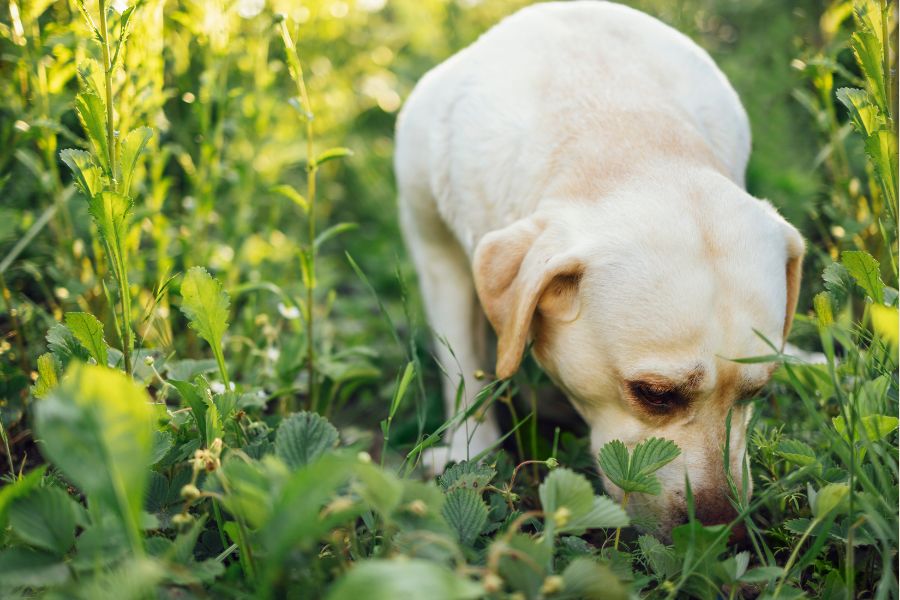
You glance out the window, and there’s your dog, head down in the backyard, happily munching away on grass like a tiny cow. You might laugh it off — but then a little voice in your head asks: Should I be worried about this?
You’re not alone. Grass eating is one of the most common behaviors dog owners ask about. And the answer isn’t as simple as ‘it’s totally fine’ or ‘rush to the vet.’ The truth, as with most things in dog health, lives somewhere in the middle — and knowing which side your dog falls on can make all the difference.
Let’s break it all down, including when to relax, when to pay closer attention, and when to give your vet in Denver a call.
Is It Normal for Dogs to Eat Grass?
Short answer: yes, usually. Research suggests that somewhere between 68–80% of dogs have eaten grass at some point in their lives, and most of them are perfectly healthy. Grass eating — or pica (the technical term for eating non-food items) — is considered a normal canine behavior rooted in their evolutionary past.
Wild canines consumed plant material along with prey as a natural part of their diet. Even though your dog dines on premium kibble, those ancestral instincts haven’t disappeared. Grass is just one way they express them.
Interestingly, only about 8–9% of dogs appear ill before eating grass, and only around 22% vomit afterward. So, despite the popular belief that dogs eat grass to make themselves throw up, the data tells a different story.
5 Reasons Dogs Eat Grass (Most Are Harmless)
Before jumping to conclusions, here are the most common reasons behind this behavior:
- Instinct and taste. Some dogs simply enjoy the texture and flavor of fresh grass — especially young spring shoots. It’s sensory, not symptomatic.
- Fiber seeking. Grass is rich in fiber. If your dog’s diet lacks adequate roughage, they may instinctively graze to regulate digestion and improve gut motility.
- Mild stomach upset. Some dogs eat grass when they feel a little off, and the rough texture can trigger vomiting. Think of it as their natural antacid.
- Boredom or anxiety. Dogs left alone in the yard with nothing to do can develop grass-chewing as a repetitive habit. It gives them something to do — even if it isn’t the most productive activity.
- Curiosity (especially puppies). Puppies explore the world with their mouths. Grass is just another item on their investigation list. Most outgrow this as they mature.
Warning Signs: When Grass Eating Becomes a Red Flag
1. Obsessive or Excessive Grass Eating
If your dog spends a significant chunk of outdoor time actively grazing — not just taking a nibble here and there — that persistence could point to nutritional deficiencies, gastrointestinal issues, or even psychological distress.
2. Vomiting Repeatedly After Eating Grass
While vomiting occasionally after grass eating isn’t alarming, repeated vomiting episodes — especially paired with signs of illness beforehand — could indicate gastrointestinal reflux, pancreatitis, or inflammatory bowel disease.
3. Diarrhea, Constipation, or Abdominal Discomfort
If your dog is grazing and also showing signs of digestive upset — loose stools, straining, or a hunched posture — it warrants a closer look. These symptoms together can suggest an underlying GI issue that needs diagnosis.
4. Lethargy or Loss of Appetite
A sudden behavioral shift — your normally energetic dog becoming sluggish, refusing food, or drinking less — combined with increased grass eating is a combination that should prompt a vet visit near your locality.
5. Signs of Pesticide Poisoning
This is the most urgent concern. Grass treated with herbicides, pesticides, or fertilizers can be genuinely toxic to dogs. If your dog has eaten treated grass, watch for: excessive drooling, vomiting or diarrhea, difficulty breathing, tremors or seizures, and extreme fatigue. These require emergency veterinary care — don’t wait.
The Hidden Danger: Parasites in the Grass
Even if the grass isn’t chemically treated, it may harbor intestinal parasites like hookworms or roundworms — particularly in high-traffic dog areas like parks or daycare facilities. Dogs who regularly eat grass are at higher risk of parasite infection. Regular deworming and parasite prevention are essential if your dog is a habitual grazer.
How to Stop Your Dog from Eating Grass
If the behavior has become excessive or you simply want to discourage it, here are some practical strategies:
- Upgrade their diet: Talk to your vet about whether a higher-fiber diet or dietary adjustment might reduce the urge to graze.
- Increase enrichment: Puzzle toys, longer walks, and more interactive playtime give bored dogs better outlets.
- Use ‘leave it’ training: Reward-based redirection — asking your dog to leave the grass and then praising them with play or treats — can be very effective.
- Supervise outdoor time: Until the behavior is addressed, keep a close eye during yard time and redirect when grass eating starts.
- Ensure yard safety: Keep your lawn free of chemicals and check for signs of animal feces that could harbor parasites.
When Should You Call Your Vet?
If your dog is eating grass occasionally, it seems healthy, and shows no other symptoms, you can keep monitoring at home. But do schedule a vet appointment if:
- Grass eating has suddenly increased in frequency
- There is repeated vomiting, diarrhea, or signs of stomach pain
- Your dog seems lethargic, is skipping meals, or is acting out of character
- You suspect they may have ingested chemically treated grass
- Your dog is a senior, as new behavioral changes in older dogs often have medical causes
At Founders Green Veterinary Clinic in Denver, CO, we see this question all the time. Our team is happy to help assess your dog’s grass-eating habits in the context of their overall health and advise whether a dietary change, a behavioral modification plan, or a full diagnostic workup is the right next step.
If you’re concerned about your dog’s grass-eating habits or want peace of mind, don’t hesitate to reach out to our team at Founders Green Animal Hospital in Denver. Early evaluation ensures your pet stays happy, healthy, and out of the yard buffet.
Frequently Asked Questions(FAQs):
Q1: Can grass cause a blockage in dogs?
A: Rarely, but it’s possible if large amounts of long grass are consumed at once. Monitor your dog if they eat significant quantities, and call your vet if they seem uncomfortable.
Q2: Does grass eating mean my dog has parasites?
A: Not necessarily — but habitual grass eating does increase exposure risk. Make sure your dog is on a regular parasite prevention protocol and discuss this with your vet.
Q3: Do certain breeds eat grass more than others?
A: Research hasn’t identified breed-specific tendencies, but puppies and younger dogs eat grass more frequently than seniors. Most dogs simply grow out of it.
Q4: Is wet grass more dangerous?
A: Damp grass can harbor more fungal growth and parasites. Morning dew isn’t typically a concern, but grass that’s been wet for extended periods in warmer climates is worth being cautious about.