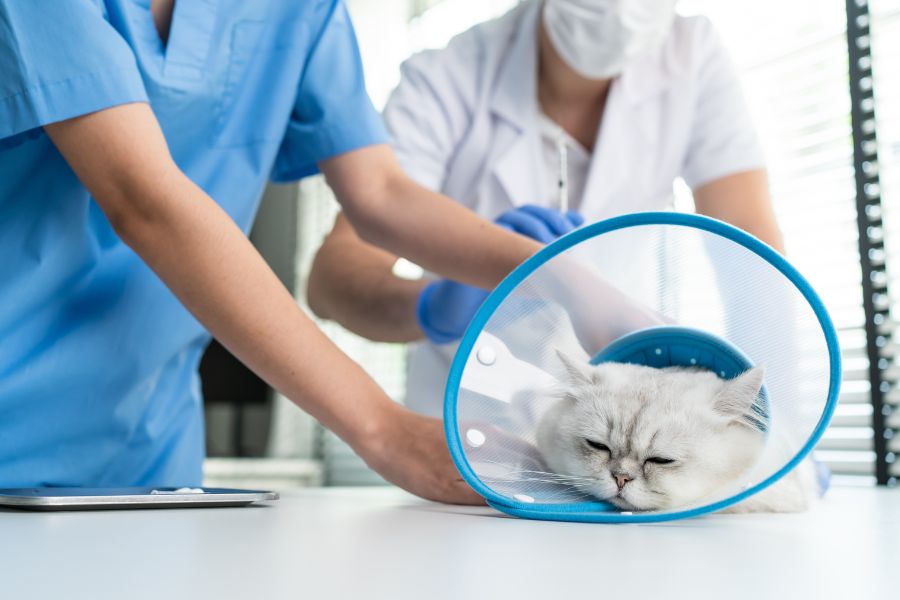
When pets become sick or injured, many owners struggle to decide where to seek help. Some situations require immediate emergency treatment, while others can safely be handled through urgent care services. Knowing the difference can save valuable time, reduce stress, and help your pet receive the right level of medical attention.
This guide explains common symptoms, injuries, treatment situations, and warning signs that help you choose between emergency services and pet urgent care. You will also learn how to prepare for unexpected pet health problems, and when contacting a veterinarian near you becomes the safest decision.
Understanding Pet Urgent Care
Pet urgent care centers treat medical issues that need prompt attention but are not immediately life-threatening. These clinics often handle problems that cannot wait several days for a regular appointment. Many urgent care facilities provide evening or weekend services.
Common urgent care conditions include:
- Minor cuts or wounds
- Ear infections
- Vomiting without severe weakness
- Mild limping
- Skin allergies
- Mild eye irritation
- Small bite injuries
- Sudden itching or rashes
A pet with discomfort, pain, or mild illness may benefit from urgent care before the problem becomes more serious.
Signs Your Pet May Need Urgent Care
Pets often show subtle symptoms before conditions worsen. Quick action may prevent complications and reduce recovery time.
Watch for these signs:
- Persistent scratching
- Mild coughing
- Reduced appetite
- Limping without severe swelling
- Diarrhea lasting less than one day
- Mild dehydration
- Sneezing with discharge
- Low energy levels
Calling a veterinarian near you can help determine whether the symptoms require urgent care or emergency treatment.
What Counts as a Pet Emergency?
Emergency clinics treat life-threatening conditions. Delaying treatment during these situations may place your pet at serious risk.
Emergency cases often include:
- Difficulty breathing
- Severe bleeding
- Loss of consciousness
- Seizures
- Broken bones
- Heatstroke
- Poison ingestion
- Severe trauma after an accident
- Bloated abdomen
- Continuous vomiting with weakness
Pets showing these symptoms should receive emergency attention immediately.
Warning Signs That Require Immediate Action
Some symptoms indicate a rapidly worsening medical crisis. Owners should never ignore these warning signs.
Seek emergency care if your pet experiences:
- Blue or pale gums
- Collapse or fainting
- Extreme weakness
- Inability to urinate
- Choking
- Sudden paralysis
- Deep wounds
- Severe burns
- Repeated seizures
Fast treatment may improve survival chances and reduce long-term complications.
How to Decide Between Urgent Care and Emergency Services
Many owners panic during stressful situations and struggle to judge severity. A few simple questions can help guide the decision.
Ask yourself:
- Is my pet breathing normally?
- Is my pet responsive?
- Is there heavy bleeding?
- Can my pet walk comfortably?
- Has the condition become worse quickly?
- Is my pet showing signs of severe pain?
If the symptoms appear severe or rapidly worsening, emergency treatment is usually the safest option.
Preparing Before an Emergency Happens
Planning helps owners react calmly during stressful moments. Preparation also improves communication with medical teams.
Keep these items available:
- Emergency clinic phone numbers
- Vaccination records
- Medication lists
- Pet carrier or leash
- First aid supplies
- Poison control contact information
Knowing nearby urgent care and emergency clinic locations may reduce delays during critical situations.
Helping Your Pet Stay Safe
Many emergencies can be prevented through careful observation and regular health monitoring.
Helpful prevention tips include:
- Store medications safely
- Keep toxic foods away from pets
- Schedule routine wellness exams
- Supervise outdoor activity
- Watch for behavior changes
- Maintain healthy nutrition
Conclusion
Understanding the difference between urgent care and emergency treatment helps pet owners make faster, safer decisions during stressful situations. Mild illnesses and smaller injuries may respond well to urgent care services, while life-threatening conditions require immediate emergency attention.
If you’re located in Denver and searching for a trusted veterinarian near you, our compassionate team is ready to help your pet receive care when it matters most. Contact us to schedule an appointment or learn more about available services.
Frequently Asked Questions(FAQs):
1. Can urgent care treat vomiting in pets?
A: Yes. Mild vomiting without severe weakness or collapse is commonly treated through urgent care clinics. Pets with nonstop vomiting, blood in vomit, or breathing difficulty usually need emergency medical attention right away.
2. Should I visit an emergency clinic for a limping dog?
A: A mild limp without swelling may only require urgent care. Severe pain, inability to stand, or visible bone injuries should always be treated as emergencies requiring immediate medical evaluation.
3. What happens during a pet emergency visit?
A: Emergency teams assess breathing, heart rate, temperature, and pain levels. Stabilization often begins immediately before diagnostic testing or treatment. Fast action helps reduce complications and improve your pet’s recovery chances.
4. Is urgent care less expensive than emergency treatment?
A: Urgent care visits are often more affordable because they treat non-life-threatening conditions. Emergency services usually involve advanced monitoring or intensive treatment, which may increase overall medical costs significantly.
5. Can I wait until morning for treatment?
A: Some mild symptoms can wait for urgent care appointments. Breathing problems, seizures, collapse, severe bleeding, or toxin exposure should never wait until morning because delays may place your pet in danger.
6. How do I know if my pet ate something poisonous?
A: Common signs include drooling, vomiting, tremors, weakness, seizures, or breathing difficulty. Contact a clinic immediately if you suspect toxin exposure. Early treatment often improves safety and reduces severe health complications.