Most pet owners know their dogs and cats need regular teeth cleanings, but dental surgery is a different matter entirely. When a routine dental exam reveals cracked teeth, infected roots, or advanced gum disease, a simple cleaning will not be enough. Dental surgery for pets covers a range of procedures—from tooth extractions and root canals to oral tumor removal—each performed under general anesthesia by a trained professional.
This guide breaks down what pet dental surgery actually involves, the warning signs that signal a deeper problem, what to expect during the process, and how recovery works. By the end, you will know exactly when a standard cleaning crosses the line into surgical territory and why acting early makes all the difference for your pet’s health and comfort.
What Does Dental Surgery for Pets Actually Mean?
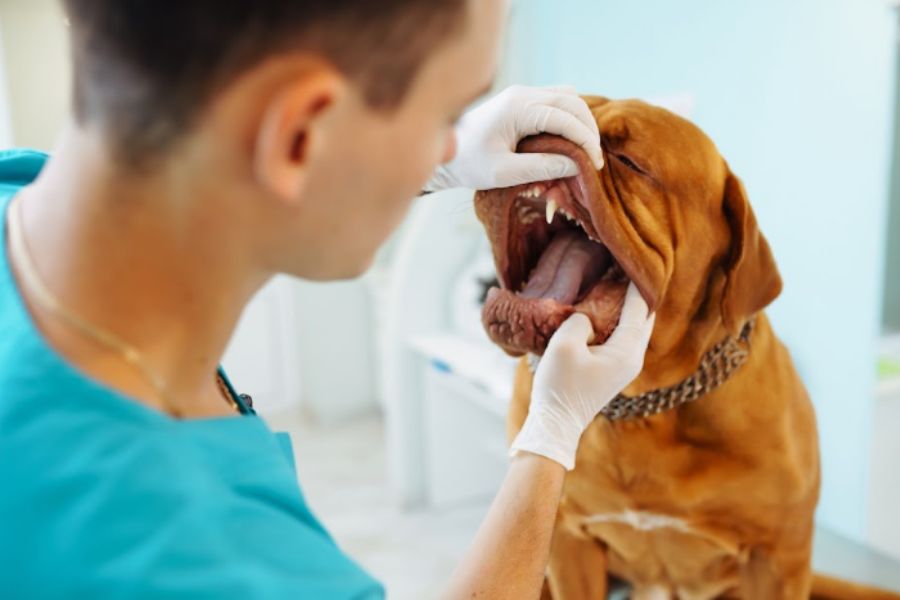
Dental surgery in pets refers to any oral procedure that goes beyond scaling and polishing the teeth. While a routine cleaning removes plaque and tartar from the surface, surgery addresses structural problems beneath the gum line or within the tooth itself. It is performed under full general anesthesia, which allows the veterinarian to conduct a thorough oral examination, take dental X-rays, and carry out any necessary treatment safely and without causing the animal distress.
Common Types of Pet Dental Procedures
- Tooth extractions: The most frequently performed dental surgery in dogs and cats, extractions are necessary when a tooth is severely decayed, fractured, or loosened by periodontal disease. A simple extraction removes the visible tooth, while a surgical extraction involves cutting into the gum tissue to remove the root.
- Periodontal surgery: When gum disease has progressed to a point where pockets of infection form around the root, the vet may need to clean below the gum line or reshape the surrounding tissue to halt further bone loss.
- Root canal therapy: This procedure saves a structurally sound tooth that has suffered pulp exposure due to trauma or fracture. It is commonly used in working dogs or pets where preserving a strong tooth is particularly important.
- Oral mass removal: Tumors, cysts, or abnormal growths inside the mouth may need to be surgically removed and biopsied. Early removal often leads to better outcomes and prevents spread to surrounding tissue.
Warning Signs Your Pet Needs More Than a Routine Cleaning
A standard dental cleaning keeps healthy teeth in good shape. When certain symptoms appear, however, they point to problems that cleaning alone cannot resolve. Paying attention to these signs and reaching out to a veterinarian near you early can prevent minor issues from turning into painful, costly complications.
Physical and Behavioral Signs to Watch For
• Persistent bad breath that does not improve after a cleaning
• Visible swelling along the jaw, under the eye, or inside the cheek
• Broken, chipped, or discolored teeth (especially gray or pink—signs of internal bleeding)
• Bleeding gums or blood in the water bowl after drinking
• Dropping food, chewing on one side, or suddenly avoiding hard kibble
• Pawing at the mouth or rubbing the face on surfaces
• Loose teeth in an adult pet, or teeth that look longer as the gum recedes
Cats are especially skilled at hiding discomfort, so even subtle shifts in eating habits or grooming routines deserve attention. When in doubt, an oral exam with dental X-rays will reveal what is happening beneath the surface.
The Role of Dental X-Rays in Identifying Surgical Needs
Up to 60 percent of each tooth sits below the gum line, completely invisible during a standard visual exam. Full-mouth dental X-rays are considered the standard of care in professional pet dentistry because they reveal bone loss, root fractures, abscesses, and retained roots that look perfectly normal on the surface.
Many pets that appear to have only mild tartar buildup actually have significant disease hidden beneath healthy-looking gums. X-rays eliminate guesswork and help the veterinarian plan the most appropriate course of treatment before anesthesia even begins.
What to Expect During Pet Dental Surgery
1. Before the Procedure
Your pet will need pre-anesthetic bloodwork to confirm that the kidneys and liver are functioning well enough to process anesthetic drugs safely. You will be asked to withhold food for a set number of hours before the procedure. The care team will walk you through every step so there are no surprises on the day.
2. During the Procedure
Once your pet is under anesthesia, the team performs a complete oral examination, takes full-mouth X-rays, and scales all tooth surfaces. If a tooth requires extraction, the veterinarian carefully loosens it from the surrounding ligament before removal and closes the site with dissolvable sutures. Local nerve blocks are used to minimize pain both during and immediately after the procedure. Throughout, a dedicated technician monitors heart rate, blood pressure, breathing, and body temperature in real time.
3. After the Procedure
Most pets recover quickly from dental surgery. You can expect your pet to be a little groggy for the remainder of the day. Pain medication is typically sent home, and a soft-food diet is recommended for a week or two while the extraction sites heal. A follow-up call or visit lets the care team confirm everything is healing as expected.
Why Untreated Dental Disease Affects More Than the Mouth
Oral health and overall health are deeply connected. Bacteria from infected gums and teeth can enter the bloodstream and travel to the heart, kidneys, and liver—organs that can be permanently damaged over time. Studies in veterinary medicine consistently link severe periodontal disease to a higher risk of heart disease and kidney dysfunction in both dogs and cats.
Beyond organ health, chronic dental pain suppresses appetite, reduces activity levels, and quietly lowers your pet’s quality of life in ways that may not be immediately obvious. Addressing dental disease early—even when it requires surgery—protects far more than just your pet’s teeth.
How Often Should Your Pet Have a Dental Evaluation?
Annual professional dental evaluations are recommended for most dogs and cats, starting around age one for small breeds and two for large breeds. Pets with a history of dental disease, flat-faced breeds like Bulldogs and Persian cats, and small dogs with crowded teeth may benefit from checkups every six months.
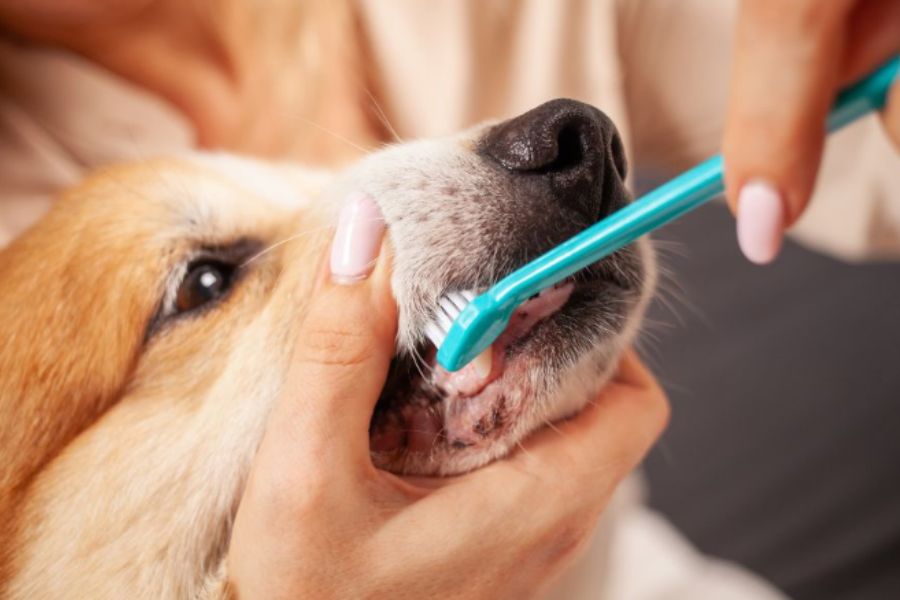
Between professional visits, daily tooth brushing with pet-safe toothpaste remains the single most effective form of home care. Dental chews, water additives, and prescription dental diets can complement brushing but are not a substitute for professional pet dental care.
If you are unsure where your pet’s oral health stands, a veterinarian near you can perform a thorough assessment and let you know whether a standard cleaning will suffice or whether a deeper evaluation under anesthesia is warranted.
Conclusion
Dental surgery sounds intimidating, but for many pets it is the most straightforward path to lasting comfort and better health. Knowing the difference between what a cleaning can accomplish and when something more is needed puts you in a far stronger position as a pet owner. Regular checkups, attentive monitoring at home, and prompt action when warning signs appear give your pet the best possible odds of a healthy mouth throughout their life.
If you are in Denver and looking for a team that combines genuine expertise with heartfelt care, Founders Green Animal Hospital is here for you and your pet. Their dedicated team brings compassionate care and community values together to support your pet’s well-being at every stage of life.
Frequently Asked Questions(FAQs):
1. Is anesthesia safe for older pets?
A: Age alone is not a reason to avoid anesthesia. Pre-anesthetic bloodwork, careful drug selection, and continuous monitoring make the procedure safe for most senior pets. The risks of untreated dental disease often outweigh the risks of a well-managed anesthetic event.
2. How long does pet dental surgery take?
A: Most procedures last between 45 minutes and two hours, depending on the number of teeth involved and the complexity of the case. Simple extractions take less time, while surgical extractions or mass removals require longer, more involved procedures under anesthesia.
3. Will my pet be in pain after a tooth extraction?
A: Local nerve blocks used during surgery provide immediate post-operative comfort, and take-home pain medication manages any soreness during the healing period. Most pets eat comfortably within 24 to 48 hours and show clear improvement in mood and appetite once the source of their pain has been removed.
4. Can cats and dogs live normally after losing teeth?
A: Yes, and they usually thrive. Pets adapt remarkably well after extractions, especially when the removed teeth were already painful or non-functional. Most dogs and cats return to eating normally within days, often showing more enthusiasm for food than they did before the diseased tooth was removed.
5. What does pet dental surgery cost?
A: Costs vary based on the procedure, the number of teeth involved, and your location. A basic cleaning with anesthesia typically costs less than a surgical extraction or root canal. Pet insurance that covers dental illness can significantly offset these expenses, and many clinics offer payment plan options.
6. How can I prevent my pet from needing dental surgery?
A: Consistent tooth brushing, annual professional cleanings, and regular oral checkups are the most effective preventive measures. Starting dental habits early in life makes it easier for pets to accept home care, and catching problems at a mild stage almost always means simpler, less costly treatment.