Your pet’s smile reveals more than happiness. It reflects comfort, appetite, and daily well-being. Routine teeth cleaning supports fresh breath, healthy gums, and strong teeth that last through every life stage. Many pet owners notice bad breath or yellow buildup yet feel unsure about the next step.
This guide explains why regular dental care matters, what happens during a cleaning visit, and how small habits at home protect long-term health. You will also learn simple warning signs that deserve attention and practical ways to keep your companion comfortable.
Clear information helps you make confident choices without stress or confusion. By understanding the basics of pet dental health, you can prevent common problems before they affect eating, play, and energy levels. For families who value proactive care and a supportive local clinic, these insights are especially helpful for pet owners in Denver, CO.
Why Routine Teeth Cleaning Matters
A pet’s mouth collects plaque every day. Food particles mix with bacteria and form a sticky layer on the teeth. This buildup hardens over time and becomes tartar. Tartar irritates the gums and leads to redness, swelling, and discomfort. Many pets hide this discomfort well. Owners often notice the problem only when breath becomes strong or when chewing habits change.
Routine cleaning removes these deposits before they create deeper issues. Healthy teeth allow pets to chew comfortably and enjoy their meals. Clean gums also reduce the risk of infections that can spread to other parts of the body. Regular dental care supports overall wellness, energy, and appetite.
Another benefit involves prevention. Early cleaning appointments catch small issues before they become serious problems. A minor plaque buildup can be treated quickly. Ignored buildup may lead to loose teeth or painful inflammation. Consistent dental care keeps your pet comfortable and avoids more complex treatments later.
Signs Your Pet May Need Dental Attention
Pets rarely complain about dental pain. Their behavior provides the clues.
Common Warning Signs
- Persistent bad breath
- Yellow or brown buildup on teeth
- Red or swollen gums
- Dropping food while eating
- Pawing at the mouth
- Reduced interest in hard food or chew toys
These signs often appear gradually. Owners sometimes mistake them for aging or picky eating habits. Observing daily behavior helps catch these changes early. A dental check can confirm the cause and bring relief quickly.
What Happens During a Professional Cleaning
Many pet owners feel curious about the cleaning process. Knowing what to expect brings peace of mind.
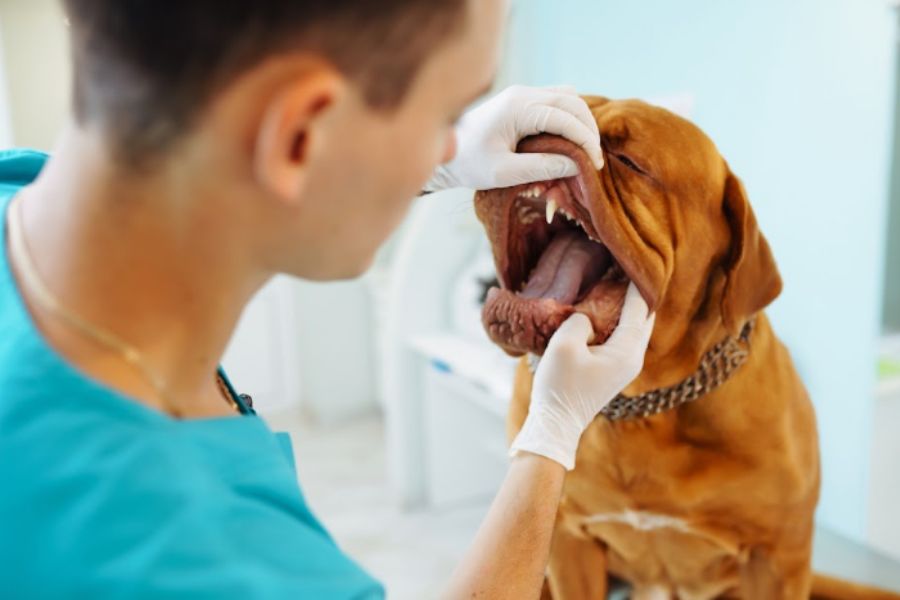
A dental visit begins with a gentle oral examination. The care team checks the teeth, gums, and tongue for signs of irritation or buildup. Professional tools remove plaque and tartar from each tooth. Polishing smooths the surface, which slows future buildup.
The goal is comfort and prevention. Each step focuses on protecting the mouth while keeping the experience calm and safe for your pet. After the cleaning, pet owners receive simple guidance for maintaining healthy teeth at home.
Daily Habits That Support Healthy Teeth
Professional cleanings work best when paired with daily care. Small routines create big improvements over time.
Helpful Home Practices
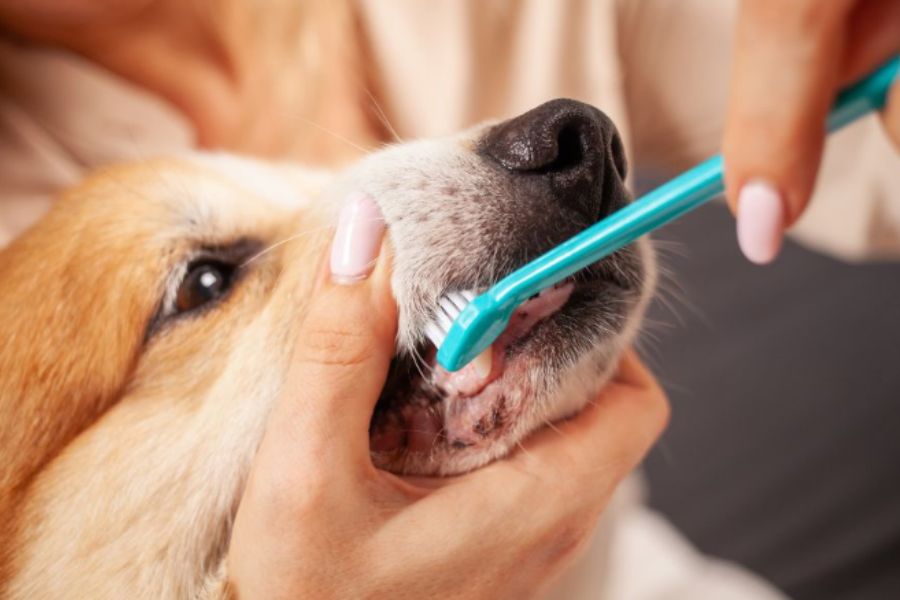
- Tooth Brushing: Pet-safe toothbrushes and toothpaste remove plaque before it hardens. Gentle brushing a few times each week makes a difference.
- Dental Chews: Many pets enjoy chewing treats designed to reduce buildup. These treats also stimulate the gums.
- Balanced Nutrition: Quality food supports strong teeth and healthy gums. Crunchy textures often help reduce plaque.
- Routine Checkups: Regular exams allow the care team to monitor progress and recommend the best cleaning schedule.
Consistent home care keeps your pet comfortable between visits. These simple steps support long-term pet dental health and improve daily quality of life.
Local Pet Owners Often Ask This
Active pets love exploring parks, trails, and open spaces. Many families in the area visit dog-friendly spots such as neighborhood parks or walking trails. Outdoor activity encourages chewing on sticks or rough objects. These habits sometimes lead to chipped teeth or trapped debris.
Routine dental checks help identify small problems caused by these everyday adventures. A quick examination can prevent lingering discomfort and help pets return to their playful routine.
Pet owners who want to understand more about preventive care can also explore the full range of services offered by the clinic. Visiting the hospital’s website provides helpful information about wellness exams, preventive treatments, and other services that support a pet’s lifelong health.
Building a Lifelong Dental Care Routine
Dental care works best as a long-term habit rather than an occasional fix. Puppies and kittens benefit from early exposure to gentle mouth handling. This makes brushing and checkups easier later in life.
Adult pets maintain healthier gums when cleaning visits occur on a regular schedule. Senior pets often need closer observation since dental issues become more common with age. Each life stage brings different needs, yet consistent care remains the foundation.
A supportive dental routine improves comfort, protects appetite, and reduces the chance of hidden infections. These benefits help pets remain playful, active, and engaged with the people who love them.
Conclusion
Routine dental care keeps pets comfortable, active, and happy throughout their lives. Clean teeth support healthy eating, fresh breath, and stronger gums. Consistent care also prevents painful issues that often remain hidden until they become severe. A simple cleaning schedule combined with good home habits protects long-term pet dental health and helps pets enjoy their daily routines.
We are conveniently located in Denver, CO, and welcome you to our facility at 7545 E 29th Pl, Denver, CO 80238—where compassionate care and community come together for your pet’s well-being. Book an appointment with Founders Green Animal Hospital.
Frequently Asked Questions(FAQs):
1. How often should my pet get a professional teeth cleaning?
A: Most pets benefit from a professional cleaning once a year. Some pets with faster plaque buildup may need more frequent visits. Your veterinarian will recommend a schedule based on your pet’s age, breed, and dental condition.
2. Is bad breath in pets always a dental problem?
A: Bad breath is often the first sign of dental buildup. It may also indicate gum irritation or trapped food particles. Persistent odor deserves an examination to determine the cause and prevent further discomfort.
3. Can I brush my pet’s teeth at home?
A: Yes. Many pets adapt well to brushing with a pet-safe toothbrush and toothpaste. Start slowly with gentle motions and short sessions. Positive reinforcement helps your pet accept the routine comfortably.
4. Are dental treats effective for cleaning teeth?
A: Dental chews can help reduce plaque and stimulate gums. They work best when combined with brushing and regular dental checkups. Treats alone cannot replace professional cleaning appointments.
5. What happens if dental disease goes untreated?
A: Untreated dental problems may lead to painful gums, tooth loss, and infection. Severe infections may affect other organs over time. Early dental care protects your pet’s comfort and overall health.
6. When should puppies or kittens start dental care?
A: Dental care can begin early. Gentle mouth handling helps young pets become comfortable with brushing and exams. Early habits make lifelong dental care easier and prevent plaque buildup later.