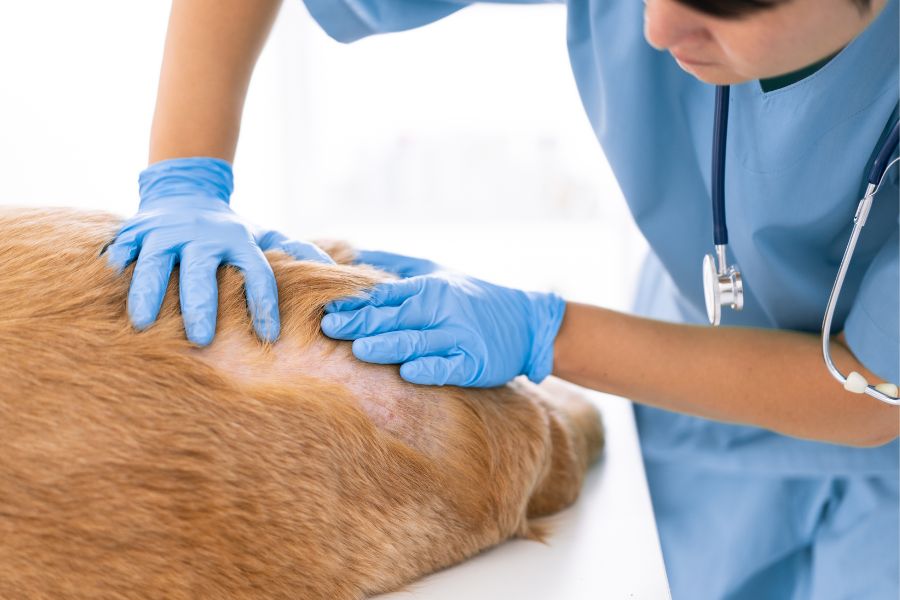
For pet owners, there are a few things that are even more alarming than discovering a lump or a behavior change. It may be brushed off as the result of aging or a benign growth, or there may just be a feeling that something isn’t right.
Being aware of the discussions in pet communities about the cautionary tales of late cancer diagnosis or missed signs certainly brings the issue to the forefront. Being educated about canine neoplasia can be a light in the darkness for many pet owners.
Understanding Neoplasia Progression
Neoplasia in dogs translates to abnormal cellular growth within the body. Such cells can form masses that are either benign or malignant. While benign masses often progress slowly and do not metastasize, malignant masses can infiltrate surrounding tissues. Still, these masses can influence locomotion, respiration, eating comfort, or the function of an organ, depending on the region where they develop.
Initially, neoplasia may be harmless, starting subtly without noticeable lumps or pain. The dog can go about its daily routine, like taking walks, eating, or even playing, yet its owner will hardly notice anything wrong. Over time, tiny alterations occur within its internal structures, which may manifest as lumps or as changes within organs.
Tumors can develop in other regions of the body, such as the skin, glands, bones, spleen, gastrointestinal tract, or lungs. Each tumor type is also distinctive. Some cancerous growths tend to be slow-growing, while others develop speedily. This makes monitoring the first signs of cancer a critical component. Identifying them in advance gives the affected person several treatment options.
Early Signs Pet Parents Notice
Dogs cannot communicate when something is wrong, so owners usually notice physical or behavioral signs first. Even minor details can be important. Early indicators might include a change in appetite or thirst, or the appearance of a new lump. There could also be unexplained weight loss or fatigue after minimal activity.
Other possible signs may include
- Unexplained vomiting or diarrhea
- Visible swelling or masses
- Difficulty breathing or coughing
- Bleeding from unusual places
- Sudden change in attitude, mood, or energy
- Reluctance to jump, climb, or walk
These signs don’t diagnose neoplasia, but they do encourage veterinary testing. Noticing daily routines helps detect changes sooner. When new symptoms appear, it’s better to check than wait. Early detection in dogs improves management chances.
Why Early Detection Matters Most
Early detection helps veterinarians diagnose conditions while possibilities are still manageable and enables a less invasive course of treatment. Recovery is often smoother and can extend a pet’s quality of life, which reduces the discomfort associated with certain conditions.
Once tumors progress, they may press on nerves or organs, causing discomfort. Internal tumors are much more challenging to reach and sometimes more aggressive. Waiting can restrict options and increase cost or difficulty. A wellness exam once or twice yearly helps track internal changes, especially in aging pets.
Biopsy, ultrasound, X-rays, and bloodwork are standard tools that help show the type of tumor and the stage of the cancer. Early detection also provides the needed time to plan emotional and financial care for the family. It allows the pets to stay active and happy with supportive care tailored to their condition.
Treatment Paths for Better Comfort
Treatment depends upon the size, location, and type of tumor. There is no standard treatment protocol for every dog. Some dogs undergo surgery to remove the tumor completely. Others undergo chemotherapy or radiation treatments to control tumor growth or to prevent recurrence. Supportive care, like pain management, nutrition, and immunostimulation, is used for symptomatic palliation.
If treatment begins early, the focus shifts to maintaining quality of life rather than just treating an advanced stage of the disease. However, when it comes to dogs, individual behavior varies. Some may quickly return to their routine after a brief period, while others require ongoing monitoring.
The combined efforts of the family and professionals ensure that care is focused on the dog’s needs and comfort. Dogs that receive regular care can endure their treatment routines, as long as they feel loved, safe, and cared for at home.
Living Well After Diagnosis
A diagnosis of neoplasia in dogs can initially seem overwhelming. However, with the proper guidance, families can learn to track progress, support healing, and ensure their dog’s happiness. Pets often continue to participate in activities such as outdoor play, napping, basking in the sun, and eating treats for many years after diagnosis.
Maintaining a peaceful environment helps reduce stress, and proper nutrition supports physical strength. Exercise keeps active canine patients mobile, and regular examinations and monitoring your dog’s recovery allow for early detection of changes.
Quality of life is always at issue, where it can mean different things to different people. While some dogs will thrive with treatment, others will need palliative care focused on comfort. It’s right or wrong, nothing more, when love is at the helm. The idea is to allow our pets to live life to the fullest each day they share with us.
Take Charge of Your Dog’s Health
Life with a dog consists of memories, soft ears, warm eyes, and small routines that mean everything. Early insight into changes helps treat an illness and, therefore, create peace of mind.
Reaching out early to a veterinary team can make a big difference when your dog shows unusual symptoms or when you have concerns about lumps, fatigue, or appetite changes. Neoplasia is much easier to treat when identified early, giving more time for comfort and care. Contact Founders Green Animal Hospital in Denver, CO, today for guidance, support, and a professional examination.
Frequently Asked Questions(FAQs):
1. How fast can neoplastic growths develop in dogs?
A: The rate of growth varies depending on the type and location of the cancer. Some cancers remain small for months, while others grow within weeks. It becomes easy to cure when detected immediately, when changes are still at an earlier stage.
2. Are older dogs more vulnerable to tumor development?
A: The risk increases with age due to reduced cellular repair. Older domestic pets need regular wellness checks to notice unusual lumps. This enables early treatment of the lump. Tracking food and movement will provide early indicators of something happening within the body.
3. Can a tumor be painless in early stages?
A: Yes, neoplastic growth often occurs without pain. Owners usually overlook the signs for that reason. Even a painless lump should be assessed. Delaying a visit could allow the lump to enlarge, potentially affecting comfort later.
4. Does diet influence tumor growth in dogs?
A: Food alone will not prevent growth, but healthy dietary habits will help boost resistance. Diets will provide support for ease and energy. Discuss protein-balanced supplements and nutritious foods with your vet for therapy or after surgical procedures in dogs.
5. How does exercise impact a dog with neoplasia?
A: Moderate activity enhances blood circulation and strengthens muscles. Any kind of overexertion must be resisted. Taking gentle walks helps remain cheerful. Care must be taken regarding signs of tiredness. If your dog begins panting heavily and moving slowly during exercise, the activity must be reduced. Comfort must be given top priority in planning daily activities. A dog must never be left in complete isolation.