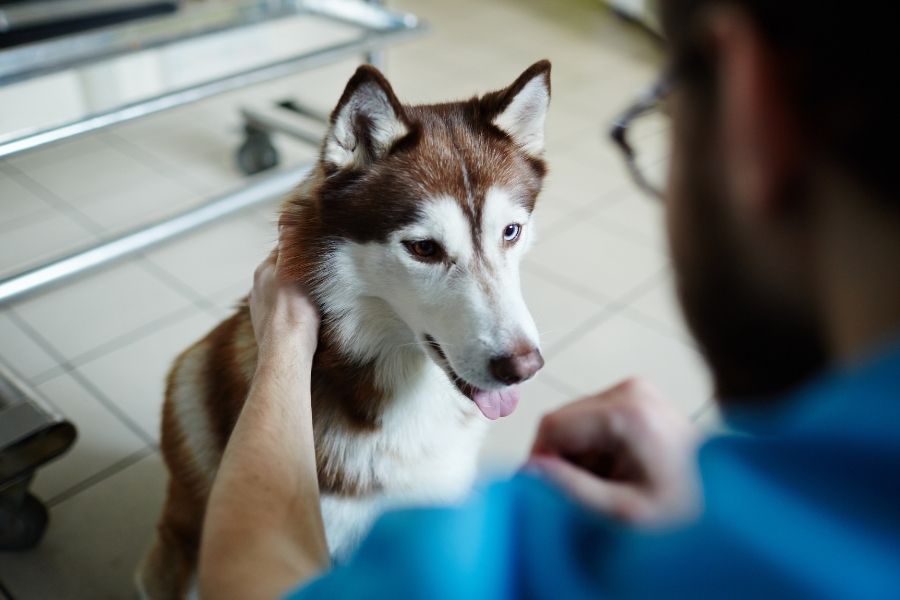
Dogs and cats often hide discomfort, which makes chronic pain difficult for families to notice. Small behavior changes usually appear before limping or crying. Early support can improve mobility, mood, and comfort.
A pain management plan may include activity changes, medication, and regular monitoring. Understanding warning signs helps pet owners take action before pain affects the quality of life. Many pets receive help after families recognize subtle changes at home in Denver.
Why Chronic Pain Is Often Missed
Chronic pain develops slowly. Dogs and cats adjust their movements to avoid discomfort. Cats avoid showing weakness. Owners may mistake these changes for aging or personality shifts.
Pain can affect sleep, appetite, movement, grooming habits, and emotional behavior. A pet pain management plan focuses on comfort.
1. Changes in Movement and Activity
A pet with chronic pain may stop jumping onto furniture, avoid stairs, or hesitate before running. Cats may stay on lower surfaces instead of climbing.
Pets with joint pain often take several steps before moving normally again. Reduced activity is one of the most common signs of pain in pets.
What a Pain Management Plan Can Do
A structured plan can improve mobility and reduce discomfort. Gentle exercise, weight control, supportive medication, and rehabilitation may help pets move comfortably and stay active longer.
2. Changes in Mood or Social Behavior
Pain changes emotional behavior. Friendly pets may become withdrawn, irritable, or less interested in attention. Some animals avoid being touched near painful areas.
Cats in pain sometimes hide more often. Dogs may stop greeting visitors or playing with family members.
What a Pain Management Plan Can Do
Pain relief often improves confidence and emotional comfort. Many pets become more social and relaxed after treatment begins.
3. Difficulty Grooming or Maintaining Hygiene
Cats with chronic pain may stop grooming hard-to-reach areas. Their coats can appear greasy or uneven. Dogs may lick painful joints repeatedly or avoid grooming activities.
Pain can also make getting into the litter box difficult. Some pets begin having accidents indoors because movement feels uncomfortable.
What a Pain Management Plan Can Do
Managing pain may restore flexibility and make grooming easier again. Better mobility also supports healthier bathroom habits and cleaner coat condition.
4. Changes in Eating or Sleeping Habits
A pet with chronic pain may sleep more during the day or struggle to settle comfortably at night. Some animals change sleeping locations because certain positions create discomfort.
Pain may also affect appetite. Pets sometimes eat less because standing near food bowls feels difficult.
What a Pain Management Plan Can Do
Pain support can improve rest, appetite, and energy levels. Comfortable pets often return to predictable sleeping and eating habits after treatment plans are adjusted.
5. Vocalizing More or Showing Sensitivity
Some pets become more vocal when pain increases. Dogs may whine during movement or while lying down. Cats may hiss or cry when picked up unexpectedly.
You might also notice sensitivity during petting. A relaxed pet may flinch when touched near sore muscles or joints.
What a Pain Management Plan Can Do
Pain management can reduce sensitivity and help pets feel calmer during normal handling.
Supporting Long-Term Comfort
Chronic pain treatment works best when problems are addressed early. Families should monitor movement, energy, appetite, and behavior closely.
Simple home adjustments can also help. Non-slip flooring, soft bedding, raised food bowls, and controlled exercise may reduce strain on painful joints.
At Founders Green Animal Hospital, we provide compassionate support for pets dealing with chronic pain through personalized care designed to improve comfort, movement, and quality of life. Schedule an appointment whenever you notice ongoing changes in movement, appetite, sleep, grooming, or behavior. Early evaluation may prevent worsening discomfort and help your pet receive treatment that improves mobility and comfort.
Conclusion
Chronic pain can affect movement, mood, sleep, and behavior. Early attention gives dogs and cats a better chance at staying active and comfortable for years. A thoughtful pain management plan can support mobility and wellness. If you’re located in Denver, reach out to our facility—where compassionate care and community come together for your pet’s well-being.
Frequently Asked Questions(FAQs):
1. How do I know if my pet has chronic pain?
A: Pets often hide discomfort, so warning signs may appear slowly. Watch for stiffness, reduced activity, behavior changes, grooming problems, altered sleeping habits, or sensitivity during touch. Persistent changes should be evaluated to improve comfort and quality of life.
2. Can chronic pain affect my pet’s behavior?
A: Yes. Pets with pain may become withdrawn, irritable, anxious, or less social than usual. Some animals avoid interaction because movement feels uncomfortable. Emotional changes are common signs of chronic pain and should not be dismissed as aging.
3. What conditions commonly cause chronic pain in pets?
A: Arthritis, joint disease, past injuries, spinal problems, and inflammation often contribute to long-term pain in dogs and cats. Chronic pain can develop gradually, making regular monitoring important for detecting subtle physical and behavioral changes.
4. Is a pain management plan safe for older pets?
A: A personalized pain management plan is designed around your pet’s age, health, and lifestyle needs. Many older pets benefit from supportive therapies, medication adjustments, rehabilitation exercises, and weight management that improve comfort without overwhelming the body.
5. Can cats hide chronic pain better than dogs?
A: Cats often hide pain very effectively because avoiding weakness is part of their natural behavior. Small changes like reduced jumping, hiding more frequently, poor grooming, or litter box problems may signal discomfort that requires professional attention and supportive care.