Every dog deserves a healthy, long life — and that starts with the right protection from day one. If you’ve recently brought a puppy home or adopted an older dog, one of the first questions your vet will ask is: Is your dog up to date on core dog vaccines?
Whether you’re new to pet ownership or just want to refresh your knowledge, this guide walks you through everything you need to know — clearly, honestly, and without the medical jargon.
What Are Core Dog Vaccines?
Core dog vaccines are the vaccinations that every dog should receive, regardless of lifestyle, breed, or location. These are not optional add-ons — they protect against diseases that are either highly contagious, life-threatening, or transmissible to humans.
The American Animal Hospital Association (AAHA) and most veterinarians in the United States define the following as core vaccines for dogs:
- Canine Distemper
- Canine Parvovirus
- Canine Adenovirus (Hepatitis)
- Rabies
These four are often combined into what’s commonly called the DHPP vaccine (or DA2PP), plus a separate rabies shot. Together, they form the backbone of your dog’s preventive health care.
It’s worth being transparent here: while this list is consistent across most veterinary guidelines, your vet may adjust the schedule slightly based on your dog’s age, health status, and local disease risks. Always have an open conversation with your veterinarian about what’s right for your specific dog.
Why Core Dog Vaccines Matter So Much
Think of core dog vaccines as your dog’s first line of defense. Without them, dogs are vulnerable to diseases that can spread rapidly — especially in dog parks, boarding facilities, grooming salons, and anywhere dogs interact.
1. Distemper
Canine distemper is a serious viral illness that attacks the nervous system, respiratory tract, and gastrointestinal system. There’s no cure, and it can be fatal. Puppies and unvaccinated dogs are most at risk.
2. Parvovirus
Parvo is one of the most feared diseases in the dog world — and for good reason. It spreads through contact with infected feces and can survive in the environment for months. Puppies can deteriorate rapidly, and treatment is intensive and expensive. Vaccination is the most reliable way to prevent it.
3. Adenovirus (Infectious Hepatitis)
This virus targets the liver and can cause serious illness or death in dogs. The vaccine also provides cross-protection against a related strain that causes respiratory disease.
4. Rabies
Rabies is almost always fatal once symptoms appear — and it’s transmissible to humans. Rabies vaccination is required by law in most U.S. states for this reason. This is one core vaccine where skipping is simply not an option.
The Standard Puppy Vaccine Schedule
Starting your puppy on core dog vaccines at the right time is critical. Here’s a general schedule most American veterinarians follow:
| Age | Vaccines Recommended |
|---|---|
| 6–8 weeks | DHPP (first dose) |
| 10–12 weeks | DHPP (booster) |
| 14–16 weeks | DHPP (booster) + Rabies |
| 12–16 months | DHPP booster + Rabies booster |
| Every 1–3 years | DHPP and Rabies boosters (varies by product and local law) |
The reason puppies receive multiple doses in quick succession is that maternal antibodies from their mother can interfere with early vaccinations. The series ensures that by the time maternal immunity fades, the puppy’s own immune system has been properly trained.
Adult Dog Vaccines: Boosters and Reassessment
For adult dogs, core dog vaccines don’t just stop after the puppy series. Boosters are necessary to maintain immunity over time. The frequency depends on the specific vaccine and your state’s legal requirements for rabies.
Some modern vaccines carry a three-year label, meaning they’re approved to protect for up to three years. Others are annual. Your vet will keep a vaccination record and remind you when boosters are due.
One thing many dog owners don’t realize is that adult dogs who haven’t been vaccinated before — perhaps a rescue or a dog with an unknown history — will need to go through a basic vaccination series as if they were puppies. Don’t skip this step, even for older dogs.
Non-Core Vaccines: Are They Right for Your Dog?
Beyond core dog vaccines, there are several non-core vaccines that may be recommended depending on your dog’s lifestyle and environment. These include:
- Bordetella (Kennel Cough) — recommended for dogs that board, visit groomers, or go to dog parks
- Leptospirosis — recommended for dogs with outdoor exposure or in areas with wildlife
- Lyme Disease — recommended in tick-heavy regions of the country
- Canine Influenza — recommended in areas with known outbreaks or for dogs in high-contact settings
Your vet will help you decide which non-core vaccines are appropriate based on your dog’s actual risk level. Not every dog needs all of them, and a good vet will never push vaccines that aren’t medically justified.
What to Expect During a Vaccine Visit
Taking your dog in for their core dog vaccines is a routine appointment, but it helps to know what to expect so you can prepare both yourself and your dog.
1. Before the Appointment
- Bring any previous vaccination records if available.
- Note any recent health changes, medications, or symptoms.
- Let the receptionist know if your dog gets anxious around other animals so they can seat you appropriately.
2. During the Appointment
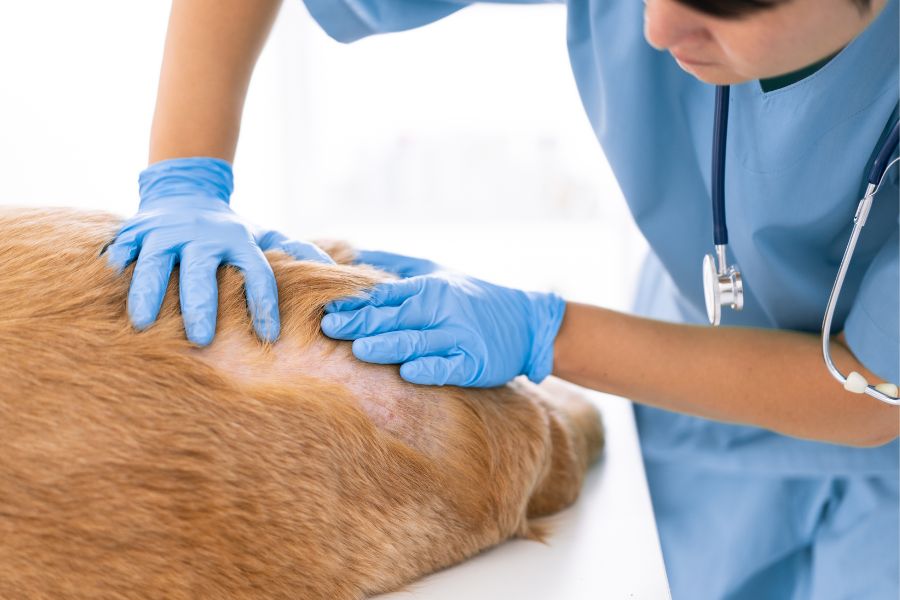
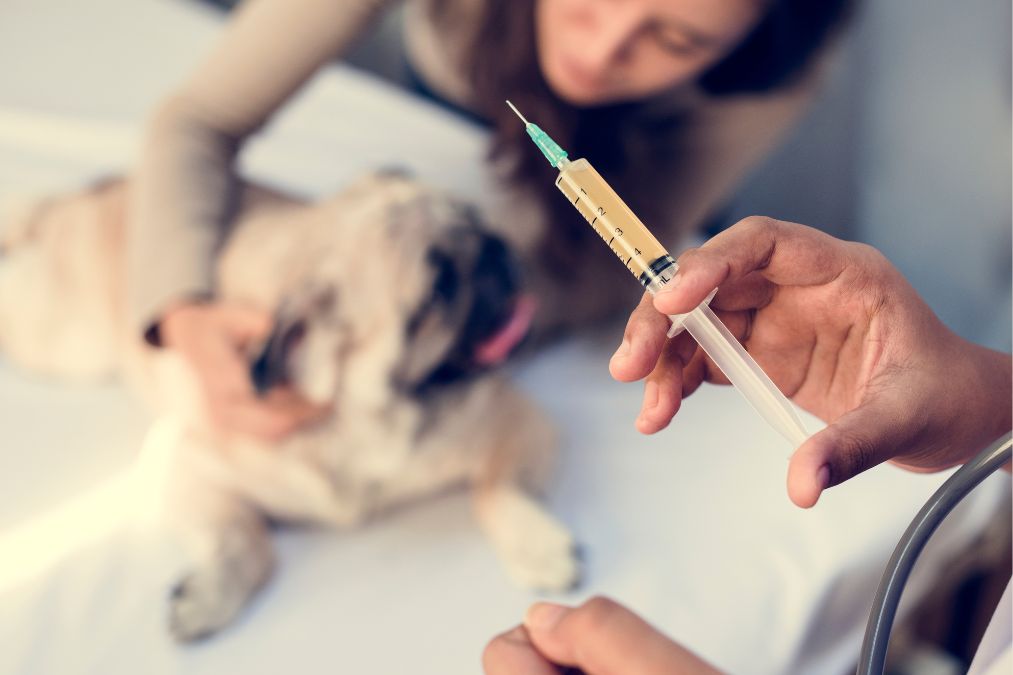
Most vaccine appointments are brief — typically 20 to 30 minutes. Your vet will do a physical examination first to make sure your dog is healthy enough to receive vaccines. Then the injections are given, usually in the scruff of the neck or the upper leg. It’s quick, and most dogs handle it well.
3. After the Appointment
Some mild side effects are normal:
- Slight soreness at the injection site
- Low-grade lethargy for 24–48 hours
- Mild fever
- Temporary loss of appetite
These typically resolve on their own. However, if your dog experiences facial swelling, vomiting, difficulty breathing, or collapse, contact your vet immediately. Serious allergic reactions are rare but do occur.
Vet Tips: Getting the Most Out of Your Dog’s Vaccine Program
Here are a few practical tips from veterinarians that can make your dog’s vaccine program safer and more effective.
1. Don’t Skip the Physical Exam
Vaccines are most effective when your dog is already healthy. A sick dog may not mount a proper immune response, and some conditions can be worsened by vaccines. Never administer vaccines at home without veterinary oversight.
2. Keep Accurate Records
Whether you use a paper vaccine booklet or an app, keep track of when each vaccine was given and which product was used. This becomes critical if you ever need boarding, travel documentation, or emergency care.
3. Ask About Titer Testing
A titer test is a blood test that measures whether your dog still has protective levels of immunity from previous core dog vaccines. Some vets offer this as an alternative to automatic re-vaccination, particularly for older dogs or those with health sensitivities. It’s a legitimate option worth discussing.
4. Be Honest About Your Dog’s Lifestyle
The accuracy of your vet’s vaccine recommendations depends entirely on the information you give them. If your dog visits dog parks, swims in natural water, or travels with you, say so. Lifestyle directly affects which vaccines are necessary.
How Much Do Core Dog Vaccines Cost?
In the U.S., the cost of core dog vaccines varies by location, veterinary clinic, and whether you’re going to a private vet or a low-cost vaccination clinic.
As a general reference:
- DHPP vaccine: approximately $20–$50 per dose
- Rabies vaccine: approximately $15–$30 per dose
- Full puppy series: roughly $75–$200+, depending on the clinic and location
Many veterinary clinics offer wellness packages that bundle vaccines with annual exams, heartworm testing, and other preventive care at a reduced overall cost. These packages can offer real value if your dog is otherwise healthy.
Low-cost vaccine clinics — often held at pet supply stores or community events — can be an accessible option for basic core vaccines. Just be aware that they typically don’t include a physical examination, which is an important part of comprehensive preventive care.
Common Misconceptions About Core Dog Vaccines
“My dog stays indoors, so vaccines aren’t necessary.”
Even indoor dogs can be exposed to disease. Parvovirus can be carried in on shoes or clothing. Rabies can enter the home through bats or other wildlife. Indoor status is not a valid reason to skip core vaccines.
“Vaccines cause more harm than good.”
This concern, while understandable, isn’t supported by veterinary science. The risks from vaccine-preventable diseases far outweigh the rare risk of a vaccine reaction. Your vet can walk you through the risk-benefit profile for each vaccine so you can make an informed decision.
“Once vaccinated, my dog is protected forever.”
Immunity does wane over time. That’s why boosters exist. Core dog vaccines need to be maintained on a regular schedule to remain effective.
Conclusion: Protect Your Dog With the Right Information and the Right Care
Core dog vaccines are one of the simplest, most effective steps you can take to protect your dog’s health. Distemper, parvovirus, hepatitis, and rabies are serious diseases — but they’re also largely preventable when your dog is vaccinated on time and kept current on boosters.
The best vaccine program is one built on honest communication between you and your vet. Every dog is different, and a good veterinarian will tailor recommendations to fit your dog’s specific needs, not a one-size-fits-all template.
If you’re unsure whether your dog is current on their core vaccines, or if you have questions about which additional vaccines may be appropriate, don’t wait. Schedule a consultation with us today. A single appointment can give you a clear picture of where your dog stands and what steps to take next — so you can feel confident you’re doing right by your dog.
Frequently Asked Questions(FAQs):
Q: At what age should a puppy get its first core dog vaccines?
A: Most puppies start their vaccine series at 6 to 8 weeks of age. The series continues with booster doses every 3 to 4 weeks until the puppy is around 16 weeks old. Earlier exposure to vaccines helps build protection during the critical window when maternal immunity is fading.
Q: Are core dog vaccines required by law?
The rabies vaccine is legally required in most U.S. states and many municipalities. The other core vaccines (DHPP) are not typically mandated by law, but they are strongly recommended by veterinary organizations and often required by boarding facilities, groomers, and dog parks.
Q: Can a dog have an allergic reaction to vaccines?
Yes, though it’s uncommon. Mild reactions like temporary soreness or low energy are normal. Serious reactions — such as facial swelling, hives, vomiting, or difficulty breathing — require immediate veterinary attention. This is why vets often recommend that first-time recipients stay in the parking lot for 15–20 minutes after vaccination.
Q: What’s the difference between core and non-core dog vaccines?
Core vaccines protect against diseases that pose a universal risk to all dogs, regardless of lifestyle. Non-core vaccines address diseases that only certain dogs are likely to encounter based on geography, environment, or daily activities. Your vet determines which non-core vaccines are appropriate for your individual dog.
Q: How do I know if my dog’s vaccines are still active?
You can check your records for the date of the last vaccination and compare it to the recommended interval. For greater certainty, ask your vet about titer testing, which measures actual antibody levels in your dog’s bloodstream to confirm protective immunity is still present.
Q: Is it safe to vaccinate an older or sick dog?
A dog that is actively ill should generally not be vaccinated until it recovers, as their immune system may not respond properly. For senior dogs, your vet will review their overall health before proceeding. Age alone is not a reason to skip core dog vaccines — older dogs still need protection against serious diseases.