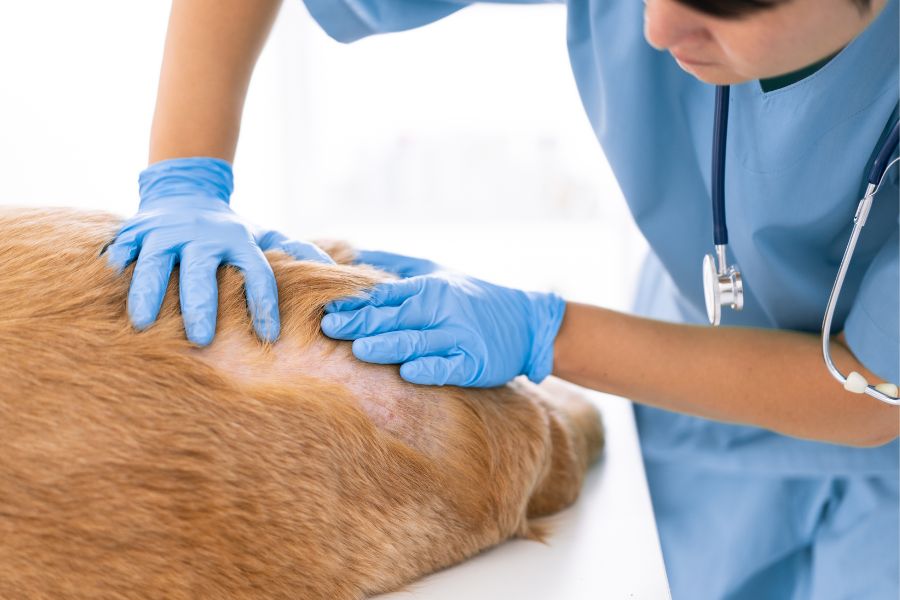
Skin allergies affect many dogs and often show up as itching, redness, ear problems, or constant licking. Food plays a major role in skin health, which makes choosing the right diet one of the most effective ways to manage these issues.
This guide explains what causes food-related skin reactions, how to read labels, which ingredients help or harm, and how to switch foods safely. By the end, you will know how to select dog food for skin allergies with confidence and realistic expectations.
Understanding Skin Allergies in Dogs
Skin allergies happen when a dog’s immune system reacts to something it sees as a threat. Food is a common trigger, but it is not the only one. Pollen, dust, fleas, and cleaning products also cause reactions. When food is the cause, symptoms often stay year-round and do not improve with seasonal changes.
Common signs include itchy skin, rashes, hot spots, hair loss, recurring ear infections, and chewing at paws. Some dogs also have loose stools or gas. These signs often build slowly, which makes food allergies harder to spot without a clear plan.
Why Diet Matters for Skin Health
The skin is the body’s largest organ and depends on steady nutrition. Poor-quality food weakens the skin barrier and increases irritation. The right balance of protein, fats, vitamins, and minerals supports healing and lowers inflammation.
A focused diet reduces exposure to problem ingredients while feeding the skin what it needs to repair itself. Many dogs show improvement within eight to twelve weeks when placed on an appropriate plan. Results depend on consistency and patience.
Common Food Triggers to Watch For
Most food reactions come from proteins rather than grains. Beef, chicken, dairy, and eggs cause the majority of cases. Corn and wheat also affect some dogs, but less often than believed.
Artificial colors, preservatives, and flavor enhancers increase the risk of skin irritation. Low-quality fillers provide calories without benefits and stress the digestive system. Simple ingredient lists help limit exposure to these triggers.
What to Look for in the Right Formula
The best diets focus on clean ingredients and balanced nutrition. Limited-ingredient formulas reduce the number of items that could cause a reaction. Novel proteins such as duck, venison, or fish work well for dogs with known sensitivities.
Healthy fats matter. Omega-3 and omega-6 fatty acids support skin repair and reduce itching. Look for sources like fish oil or flaxseed. Avoid vague terms like meat byproduct or animal fat.
Whole carbohydrates, such as sweet potatoes or brown rice, offer energy and fiber without irritation for many dogs. Added vitamins like zinc and vitamin E also support skin strength.
Grain-Free vs Grain-Inclusive Diets
Grain-free diets help some dogs, but grains are not the enemy for most. The real issue comes from protein sensitivity or poor ingredient quality. Some dogs thrive on grain-inclusive diets with rice or oats.
The choice depends on the individual dog, not trends. A careful review of symptoms and response to food changes guides the decision. In Denver, many owners find success with tailored diets rather than one-size-fits-all options.
How to Switch Foods Safely
Sudden food changes upset digestion and hinder results. A slow transition over seven to ten days works best. Mix small amounts of the new food with the old and increase gradually.
Track changes in skin, ears, stool, and energy. Improvement takes time. Do not add treats or table food during the trial period. Consistency shows whether the food helps or not.
When to Seek Professional Advice
Some dogs need more than a store-bought option. Prescription diets or elimination trials help pinpoint triggers. If symptoms stay severe or infections develop, guidance matters.
A trusted clinic like Independence Veterinary Clinic can help evaluate diet history and skin health. Many pet owners in Denver rely on professional input to avoid guesswork and repeated flare-ups.
Wet Food, Dry Food, or Homemade Options
Dry food offers convenience and balanced nutrition when quality is high. Wet food adds moisture and works well for picky eaters. Homemade diets need careful planning to avoid nutrient gaps.
Never attempt a homemade plan without expert advice. Missing nutrients can worsen skin problems over time. Balance matters more than format.
Realistic Expectations for Results
Food changes do not fix skin allergies overnight. Itching often decreases first, followed by reduced redness and better coat quality. Full improvement may take several months.
Some dogs need ongoing management rather than a cure. The goal is comfort, fewer flare-ups, and a better quality of life.
Choosing the best dog food for skin allergies requires patience, attention, and informed choices. Simple ingredients, quality proteins, and steady routines make a real difference. Every dog responds differently, so observe changes closely and adjust as needed.
If your dog struggles with ongoing skin problems in Denver or nearby areas, book an appointment with the Founders Green Animal Hospital, which can guide you toward lasting relief. The right dog food supports comfort, confidence, and a healthier life for your dog.
Frequently Asked Questions(FAQs):
1. How long does it take to see improvement after changing food?
A: Most dogs show early signs of relief within four to six weeks. Full skin recovery often takes eight to twelve weeks. Consistent feeding without extra treats is essential during this period.
2. Can puppies have food-related skin allergies?
A: Yes. Puppies can react to food early in life. Symptoms often include itching and ear issues. Early diet adjustments help prevent long-term skin problems as the dog grows.
3. Are supplements helpful for skin allergies?
A: Some supplements support skin health, especially omega fatty acids. Supplements do not replace proper food selection. Always introduce them one at a time and watch for changes.
4. Should I avoid all treats during a food trial?
A: Yes. Treats can trigger reactions and confuse results. Use small portions of the same food as treats or choose single-ingredient options that match the diet.
5. Is fish-based food always better for skin issues?
A: Fish works well for many dogs due to the omega content, but not all. Some dogs react to fish proteins. The best choice depends on the dog’s history and response.
6. Can environmental allergies look like food allergies?
A: Yes. Symptoms often overlap. Seasonal patterns suggest environmental causes. Year-round itching points more toward food. A clear timeline helps identify the source.
7. Do mixed protein foods cause more reactions?
A: They can. Multiple proteins increase exposure to triggers. Limited ingredient diets simplify the process and reduce the risk of reactions.