Living with cat allergies does not always mean giving up the idea of having a feline companion. Some breeds produce fewer allergens or shed less, making them a better match for sensitive individuals. This guide highlights ten breeds often considered suitable for allergy-prone households, explains what makes them different, and offers practical tips for managing symptoms at home.
You will also find helpful insights tailored to urban lifestyles and apartment living, especially for pet owners adjusting to indoor environments in Denver.
Understanding Cat Allergies
Cat allergies are usually triggered by a protein called Fel d 1, found in saliva, skin, and dander. When cats groom themselves, this protein spreads to their fur and surroundings. Not all cats produce the same amount, which explains why some breeds are better tolerated.
Choosing hypoallergenic cats does not guarantee zero reactions. It reduces exposure and makes symptoms easier to manage with the right care routine.
Top 10 Cat Breeds for Allergy Sufferers
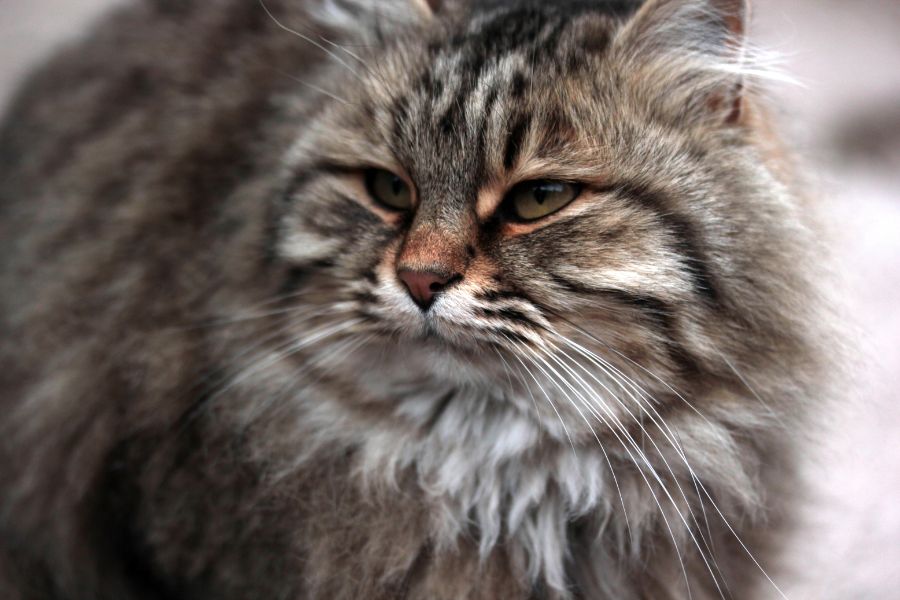
1. Siberian
Despite their thick coat, Siberian cats produce lower levels of allergenic proteins. Their calm nature suits families and individuals who want a gentle, affectionate companion.
2. Balinese
Often called the long-haired Siamese, the Balinese has a single-layer coat that sheds less. This breed is known for its intelligence and strong bonding with owners.
3. Bengal
Bengals have a short, fine coat that requires minimal grooming. Less grooming means fewer allergens spread around the home.
4. Russian Blue
This breed produces less Fel d 1 protein and has a dense coat that traps allergens. Russian Blues are quiet and adapt well to indoor living.
5. Sphynx
The Sphynx is hairless, which reduces dander spread. Regular skin cleaning is necessary, making them a good fit for owners willing to maintain a grooming routine.
6. Devon Rex
With a soft, curly coat, the Devon Rex sheds very little. Their playful personality makes them ideal for interactive households.
7. Cornish Rex
Similar to the Devon Rex, this breed has a fine coat and minimal shedding. They are energetic and thrive in engaging environments.
8. Oriental Shorthair
This breed has a short coat that sheds less. Their social nature makes them great companions for people who spend a lot of time at home.
9. Javanese
Javanese cats lack an undercoat, which reduces shedding. They are vocal and interactive, similar to Siamese cats.
10. Burmese
Burmese cats have a sleek coat and require minimal grooming. They are affectionate and enjoy close human interaction.
Tips to Reduce Allergens at Home
Even with allergy-friendly breeds, managing your environment is essential. Regular cleaning helps reduce dander buildup. Vacuum carpets and upholstery frequently. Use air purifiers to improve indoor air quality. Wash bedding and cat accessories often. Groom your cat consistently to minimize loose fur and saliva residue.
For apartment residents, especially in urban settings, keeping windows open when possible and maintaining airflow can make a noticeable difference.
Choosing the Right Cat for Your Lifestyle
Each breed has unique traits beyond allergen levels. Consider activity level, grooming needs, and personality before making a decision. Visiting a shelter or breeder and spending time with a cat helps you understand how your body reacts.
If you’re located in Denver and looking for trusted veterinary care near you, then schedule an appointment with Founders Green Animal Hospital to learn more about choosing the right pet and maintaining a healthy home environment.
Conclusion
Finding the right cat when you have allergies involves research, preparation, and realistic expectations. While hypoallergenic cats can reduce discomfort, maintaining a clean environment and consistent care routine plays an equally important role.
Each breed offers unique qualities, so choosing one that fits your lifestyle matters just as much as allergen levels. We are conveniently located in Denver, CO. Reach out to our facility at 7545 E 29th Pl, Denver, CO 80238 – where compassionate care and community come together for your pet’s well-being.
Frequently Asked Questions(FAQs):
1. What makes a cat hypoallergenic?
A: No cat is completely allergen-free. Some breeds produce fewer allergenic proteins or shed less, which reduces exposure. This makes symptoms more manageable for allergy sufferers.
2. Are hairless cats better for allergies?
A: Hairless cats like the Sphynx reduce fur-related allergens. Skin oils still carry proteins, so regular cleaning is necessary to maintain a comfortable environment.
3. Can I build immunity to cat allergies?
A: Some people experience reduced symptoms over time with consistent exposure. This varies by individual and depends on sensitivity levels and environmental management.
4. How can I test if I am allergic to a specific breed?
A: Spend time with the breed before adoption. Visit breeders or shelters and observe reactions. This helps determine compatibility without long-term commitment.
5. Do air purifiers help with cat allergies?
A: Air purifiers with HEPA filters remove airborne allergens effectively. They improve indoor air quality and reduce allergy triggers in shared living spaces.
6. Is grooming important for allergy control?
A: Regular grooming removes loose fur and dander. It helps minimize allergen spread and keeps your home cleaner and more comfortable.