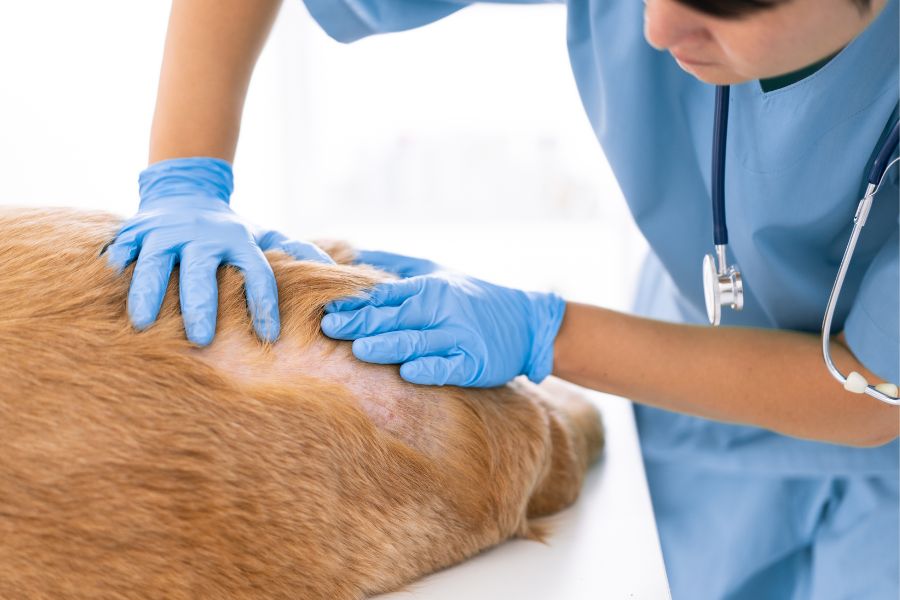
Have you ever noticed your dog suddenly scratching nonstop after spending time outside? Or maybe their face looked puffy after an insect sting? Allergic reactions can happen without warning, leaving many pet owners wondering what to do next.
One question comes up often: Can I give my dog Benadryl?
The answer is that Benadryl for Dogs may help relieve certain mild allergic reactions when used correctly and under professional guidance. It is not the right solution for every allergy, and it should never replace emergency care when symptoms become severe.
Knowing what allergic reactions look like and understanding when Benadryl may be appropriate can help you make informed decisions for your pet. This guide explains the warning signs, safety considerations, and situations that require immediate medical attention.
What Causes Allergic Reactions in Dogs?
Just like people, dogs can react to substances that their immune system sees as harmful. Some reactions stay mild, while others can become life-threatening within minutes.
Common allergy triggers include:
- Bee, wasp, or ant stings
- Mosquito and flea bites
- Certain foods
- New medications
- Environmental allergens like pollen, mold, and grass
- Household cleaning products
- Dust mites
- Some vaccines
Not every reaction develops the same way. One dog may only experience itchy skin, while another may develop swelling around the face or have trouble breathing.
Common Signs Your Dog May Need Benadryl for Allergic Reactions
Recognizing symptoms early gives your dog the best chance of staying comfortable and avoiding complications.
1. Mild Itching That Doesn’t Stop
One of the most common reasons people ask about Benadryl for Dogs is excessive itching.
Your dog may:
- Scratch constantly
- Bite or chew at their paws
- Rub their face against furniture
- Lick one area repeatedly
If these symptoms appear after exposure to pollen, grass, insect bites, or another known trigger, an antihistamine may be recommended after speaking with your pet’s care team.
Remember that itching can also be caused by infections, parasites, or skin conditions, so allergies are only one possible explanation.
2. Swollen Face or Puffy Eyes
Facial swelling often develops after an insect sting or contact with an allergen.
You may notice:
- Puffy eyelids
- Swollen muzzle
- Enlarged lips
- Mild facial redness
This type of swelling deserves close attention because it can progress quickly in some dogs.
If swelling spreads to the throat or your dog struggles to breathe, seek emergency care immediately rather than giving medication at home.
3. Hives or Raised Bumps on the Skin
Hives appear as raised, round bumps beneath the fur.
Other signs include:
- Red patches
- Warm skin
- Sudden irritation
- Frequent scratching
These bumps often appear shortly after exposure to an allergen and may disappear within several hours once treated appropriately.
4. Sneezing or Mild Nasal Irritation
Seasonal allergies can sometimes cause:
- Frequent sneezing
- Mild runny nose
- Watery eyes
- General facial irritation
These signs are usually less dramatic than skin reactions but can still make your dog uncomfortable.
5. Insect Stings or Bug Bites
Dogs are naturally curious, making bee stings and insect bites fairly common.
A mild reaction may include:
- Local swelling
- Tenderness
- Itching around the sting
- Pawing at the affected area
Many pet owners ask whether Benadryl for Dogs helps after insect stings. In some mild cases, it may reduce histamine-related swelling when used appropriately, but every situation should be evaluated individually.
When Benadryl Is Not Enough
Not every allergic reaction can be managed at home.
Some symptoms require immediate medical care.
1. Difficulty Breathing
This is always an emergency.
Watch for:
- Rapid breathing
- Wheezing
- Open-mouth breathing
- Blue or pale gums
- Gasping
These signs may indicate a severe allergic reaction called anaphylaxis.
Do not delay treatment while searching for medication.
2. Repeated Vomiting or Severe Diarrhea
Digestive signs may accompany serious allergic reactions.
Emergency evaluation is recommended if your dog has:
- Continuous vomiting
- Bloody diarrhea
- Extreme weakness
- Collapse
These symptoms can quickly lead to dehydration and shock.
3. Collapse or Extreme Weakness
If your dog suddenly:
- Cannot stand
- Appears confused
- Loses consciousness
- Becomes extremely lethargic
Seek emergency care immediately.
How Benadryl Works
Benadryl contains diphenhydramine, an antihistamine that blocks histamine released during allergic reactions.
Histamine is responsible for many common allergy symptoms, including:
- Itching
- Swelling
- Hives
- Redness
By reducing histamine activity, Benadryl may help relieve mild allergic symptoms.
It is important to understand that antihistamines do not treat every type of allergy or every cause of itching.
Is Benadryl Safe for Every Dog?
No.
Although many dogs tolerate diphenhydramine well, it is not appropriate for every pet.
Extra caution is needed for dogs with:
- Heart disease
- High blood pressure
- Glaucoma
- Certain urinary problems
- Thyroid disease
- Liver disease
- Pregnancy
Some medications may also interact with antihistamines.
That is why it is always safest to ask your dog’s healthcare provider before giving any over-the-counter medicine.
Possible Side Effects of Benadryl
Like any medication, Benadryl can cause side effects.
The most common include:
- Sleepiness
- Dry mouth
- Reduced energy
- Mild stomach upset
Less common reactions include:
- Hyperactivity
- Increased heart rate
- Trouble urinating
- Digestive discomfort
If symptoms worsen after giving medication, contact an animal hospital promptly.
What About Benadryl Dosage for Dogs?
One of the most searched topics online is Benadryl dosage for dogs.
While general dosage guidelines exist, every dog has different health needs based on:
- Weight
- Age
- Existing medical conditions
- Other medications
- Overall health
Never estimate a dose based on internet advice alone.
Liquid products can also contain ingredients that are unsafe for dogs, including xylitol, alcohol, or decongestants.
Always read the ingredient label carefully before using any over-the-counter allergy medicine.
Other Ways to Help a Dog Having Mild Allergy Symptoms
Medication is only one part of allergy care.
Depending on the cause, your dog may also benefit from:
1. Rinsing Allergens Off the Coat
After spending time outdoors, gently rinse pollen, dust, or grass from your dog’s fur and paws.
2. Using a Cool Compress
A cool cloth can help reduce swelling from insect bites or localized irritation.
3. Preventing Flea Bites
Year-round flea prevention reduces one of the most common allergy triggers in dogs.
4. Identifying Allergy Triggers
Keep track of when symptoms appear.
Ask yourself:
- Did the reaction happen after a walk?
- Was a new food introduced?
- Was your dog stung by an insect?
- Did they receive a new medication?
Finding the trigger helps reduce future flare-ups.
How to Know When It’s Time for an Appointment
Mild itching that resolves quickly may not become a serious problem.
Repeated allergy episodes deserve a closer look.
Schedule an examination if your dog:
- Keeps scratching for several days
- Develops recurring ear infections
- Has frequent skin irritation
- Experiences repeated allergic reactions
- Shows swelling more than once
- Seems uncomfortable despite home care
Finding the underlying cause often provides longer-lasting relief than simply treating symptoms.
Preventing Future Allergic Reactions
Although allergies cannot always be prevented, you can lower your dog’s risk by:
- Keeping flea prevention current
- Avoiding known food allergens
- Washing bedding regularly
- Cleaning paws after outdoor walks
- Monitoring insect exposure during warmer months
- Introducing new foods gradually
Early attention often keeps mild reactions from becoming more serious.
Conclusion
Allergic reactions in dogs range from mild itching to life-threatening emergencies. Recognizing the warning signs helps you respond quickly and make safer decisions.
Benadryl for Dogs may help relieve certain mild allergic reactions when used appropriately, but it is not the answer for every situation. Severe swelling, breathing problems, collapse, or repeated vomiting require immediate medical care.
If your dog experiences recurring allergies, unexplained itching, or frequent skin irritation, scheduling an examination is the best way to identify the underlying cause and create a treatment plan that fits their needs.
If you have questions about your dog’s allergy symptoms or need guidance on safe treatment options, schedule an appointment with Founders Green Animal Hospital. Our team can evaluate your pet, determine the cause of the reaction, and recommend the most appropriate care to help keep your dog healthy and comfortable.
Frequently Asked Questions(FAQs):
1. Can dogs take Benadryl for allergies?
A: Yes, Benadryl may help relieve mild allergic reactions such as itching, hives, or swelling in some dogs. Always speak with your dog’s healthcare provider before giving any medication to make sure it is safe and appropriate.
2. How quickly does Benadryl work in dogs?
A: When recommended and given correctly, Benadryl often begins working within 30 to 60 minutes. The response can vary depending on your dog’s health, the type of allergic reaction, and the severity of symptoms.
3. What symptoms mean my dog needs emergency care instead of Benadryl?
A: Seek immediate medical attention if your dog has difficulty breathing, severe facial or throat swelling, repeated vomiting, collapse, pale gums, or becomes extremely weak. These may be signs of a serious allergic reaction.
4. Can I give my dog liquid Benadryl?
A: Some liquid formulations contain ingredients such as xylitol, alcohol, or decongestants that can be harmful to dogs. Always check the ingredient label carefully and ask your pet’s healthcare provider before using any liquid product.
5. What if my dog keeps having allergic reactions?
A: Recurring allergies should be evaluated to identify the underlying cause. Ongoing itching, repeated ear infections, skin irritation, or frequent swelling may require testing and a long-term treatment plan rather than repeated use of antihistamines.