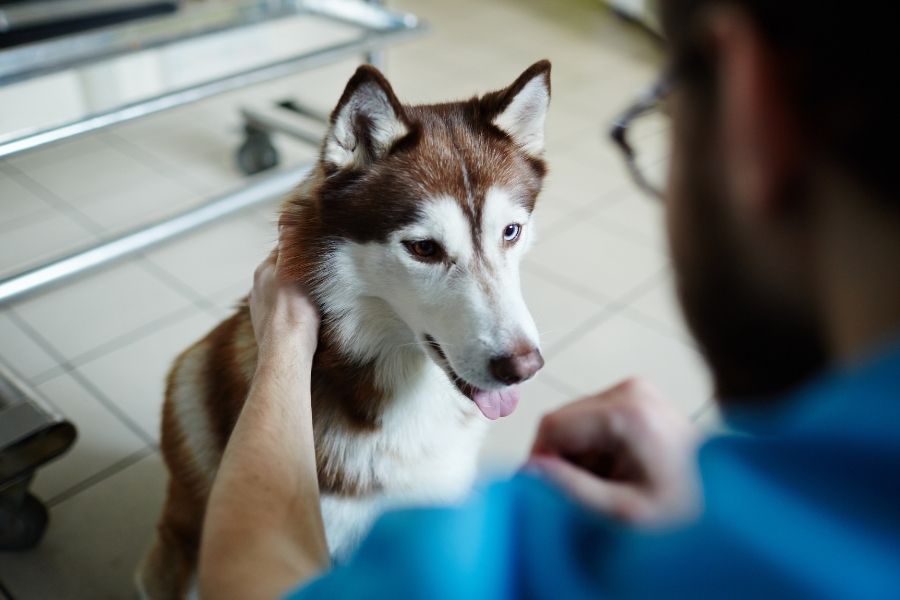
Your dog may not be able to tell you when a joint hurts. However, small changes in daily behavior can provide important clues. Perhaps your dog hesitates before climbing stairs or takes longer to stand after resting. You might also notice less enthusiasm for walks, games, or jumping into the car.
These subtle changes can be early signs of arthritis in dogs. Recognizing them early allows your veterinarian to evaluate your dog’s joints and comfort.
At Founders Green Animal Hospital, we provide comprehensive care for dogs throughout every life stage. Our Denver veterinary team helps owners identify mobility concerns and develop appropriate care plans.
What Is Canine Arthritis?
Arthritis in dogs usually refers to osteoarthritis, a progressive condition affecting one or more joints. Healthy cartilage normally helps joints move smoothly and comfortably. As this disorder develops, cartilage deteriorates, and joint structures change. This process can cause inflammation, stiffness, discomfort, and reduced mobility.
Older dogs commonly develop osteoarthritis, but age is not the only factor. Younger dogs can also develop joint disease because of injuries or orthopedic conditions. Early veterinary attention matters because this issue cannot simply be reversed. However, appropriate management can support comfort, mobility, and everyday activity.
What Are the Early Signs of Arthritis?
Early joint discomfort can be surprisingly easy to miss. Dogs often adjust their behavior instead of clearly showing pain.
Watch for these common changes:
- Stiffness after sleeping or resting
- Difficulty standing from a lying position
- Hesitation before using stairs
- Reluctance to jump onto furniture
- Less interest in running or playing
- Slower walking during regular outings
- Limping or changes in walking style
- Difficulty getting into a vehicle
- Reduced energy or activity
- Irritability when touched or approached
One isolated change does not automatically mean your dog has arthritis. However, repeated mobility changes deserve veterinary attention.
Keeping notes or short videos can also help your veterinarian understand changes occurring at home.
Why Can Early Arthritis Signs Be Easy to Miss?
Joint disease often develops gradually. This slow progression makes behavioral changes easier to mistake for normal aging. Your dog might still enjoy walks but choose shorter routes. Another dog may stop jumping while remaining energetic during other activities.
Some dogs also shift their weight away from an uncomfortable limb. Others change their posture or move more cautiously. Owners know their dogs’ routines better than anyone. Changes from that normal routine can provide valuable information during a veterinary examination.
Which Dogs Have a Higher Risk of Joint Problems?
Any dog can develop osteoarthritis. However, certain health and lifestyle factors can increase the likelihood of joint deterioration.
Risk factors can include:
- Advancing age
- Excess body weight
- Previous joint injuries
- Hip or elbow dysplasia
- Cranial cruciate ligament injuries
- Previous fractures
- Patellar luxation
- Repetitive high-impact activity
- Other orthopedic conditions
Maintaining an appropriate body weight is particularly important. Extra weight increases stress on already sensitive joints. Routine wellness examinations can help veterinarians monitor weight, movement, and other changes before problems become more advanced.
How Do Veterinarians Diagnose Joint Problems?
A veterinary examination is important when you notice persistent stiffness, limping, or reduced activity. Your veterinarian may first discuss changes you have noticed at home. Details about exercise, previous injuries, medications, and symptom duration can provide useful context.
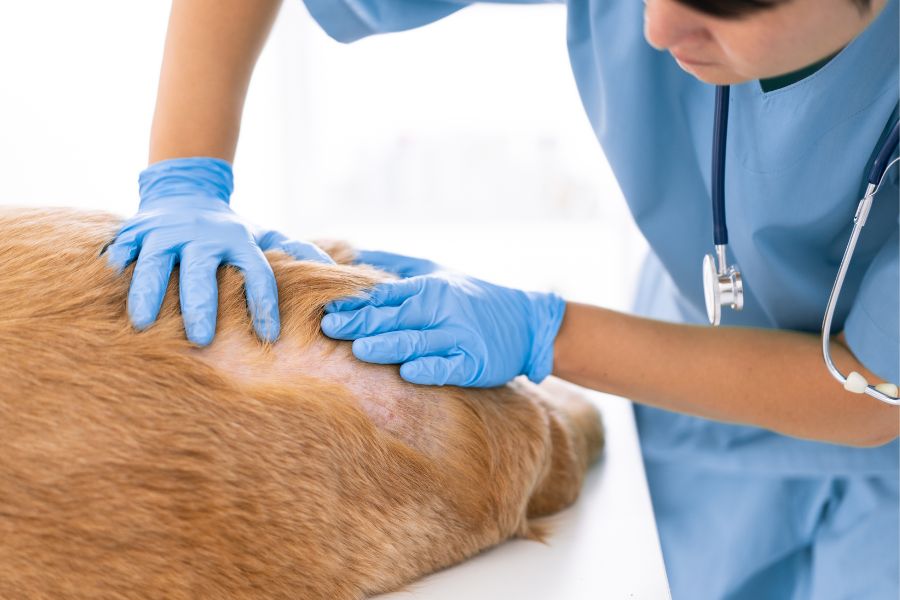
The physical examination may include observing your dog’s gait and posture. Your veterinarian may also carefully assess the joints for discomfort or reduced movement. Diagnostic imaging may be recommended when additional information is needed. X-rays can reveal changes involving bones and joints and help identify underlying orthopedic conditions.
Founders Green Animal Hospital offers diagnostic care alongside preventive, senior, pain-management, and surgical services. This comprehensive approach helps our team evaluate mobility concerns and determine suitable next steps.
Can Early Treatment Help Dogs With Arthritis?
Early recognition can make an important difference in long-term joint management. Treatment focuses on reducing discomfort while protecting mobility and everyday function. Managing arthritis often requires several approaches rather than one single treatment.
Depending on your dog’s needs, a veterinarian may discuss:
- Healthy weight management
- Controlled, low-impact exercise
- Pain management
- Appropriate medications
- Joint-support strategies
- Changes to your dog’s home environment
- Management of underlying orthopedic conditions
Some dogs may require additional treatment when an orthopedic condition contributes to their joint problems. Founders Green Animal Hospital also provides orthopedic surgical care when medically appropriate.
Never give your dog human pain medication without veterinary guidance. Some common human medications can cause serious health problems in pets.
How Can You Make an Arthritic Dog More Comfortable at Home?
Simple household adjustments can reduce unnecessary strain and make everyday movement easier. Place non-slip rugs on slippery flooring where your dog regularly walks. Consider ramps for vehicles or furniture if jumping becomes uncomfortable.
Keep food and water somewhere easily accessible. A comfortable bed with adequate support can also help your dog rest. Regular movement remains important, but exercise should match your dog’s condition. Short, controlled walks may be more comfortable than strenuous activity.
Avoid suddenly increasing exercise when your dog seems energetic. Consistency can be easier on sensitive joints than irregular bursts of intense activity. Your veterinarian can recommend an activity plan based on your dog’s age, weight, mobility, and overall health.
When Should You Schedule a Veterinary Visit?
Schedule an examination when mobility changes persist, return frequently, or interfere with normal activities. You should also contact your veterinarian when your dog shows unexplained limping, significant stiffness, or noticeable discomfort.
Sudden inability to walk or bear weight requires more immediate attention. Severe pain or mobility loss may indicate an injury or another medical problem. Early assessment can help distinguish osteoarthritis from other causes of pain. It also allows treatment to begin before mobility becomes significantly affected.
Help Your Dog Stay Comfortable and Active in Denver
Watching a beloved dog become less active can be difficult. Small mobility changes should never be dismissed simply because your dog is getting older.
Founders Green Animal Hospital provides comprehensive veterinary care for dogs in Denver. Our team can evaluate joint concerns and recommend care based on your dog’s individual needs.
If you notice possible signs of arthritis in your dog, consider scheduling a veterinary examination. Early attention can help protect comfort, movement, and quality of life.
Frequently Asked Questions(FAQs):
1. At what age do dogs usually develop arthritis?
A: Osteoarthritis becomes more common as dogs age, but younger dogs can also develop it. Injuries and orthopedic conditions can increase risk earlier.
2. What does arthritis look like when it first starts?
A: Early changes may include stiffness, slower movement, reduced activity, or hesitation before stairs and jumping. Some dogs also develop subtle gait changes.
3. How can I tell whether my dog is slowing down from age or joint pain?
A: Normal aging and joint discomfort can appear similar at home. A veterinary examination can help determine why your dog’s mobility has changed.
4. Does limping always mean my dog has arthritis?
A: No. Limping can result from injuries, paw problems, ligament damage, fractures, and several other conditions. Persistent limping should receive veterinary evaluation.
5. Should dogs with joint problems still exercise?
A: Many dogs benefit from appropriate controlled activity. Your veterinarian can recommend exercise based on your dog’s condition, mobility, and overall health.
6. Can weight loss help a dog with painful joints?
A: Reaching a healthy weight can reduce unnecessary stress on affected joints. Your veterinarian can recommend safe nutrition and weight-management strategies.