Siberian Huskies are known for their energy, endurance, and playful personalities. They can spend years acting like puppies, which can make it easy to overlook the fact that they are getting older. One day, your Husky may be racing around the yard as usual, and before you know it, you notice that they take longer to get up, sleep more, or no longer want to run as far.
So, how long do Huskies live? And what changes should you expect as your Husky enters their senior years?
Understanding the normal signs of aging can help you tell the difference between a natural change and a problem that needs attention. Aging itself is not a disease, but some changes that appear with age can point to conditions that are easier to manage when caught early.
How Long Do Huskies Live?
A healthy Siberian Husky typically has a lifespan of about 12 to 14 years. Some Huskies live longer when they have good genetics, a healthy weight, regular exercise, balanced nutrition, preventive care, and a safe living environment.
Lifespan varies from one dog to another. Two Huskies of the same age can have very different health and activity levels. Genetics play a role, but daily care matters too.
Huskies are medium-sized dogs with a history of demanding physical work. Their bodies are built for endurance, but that does not mean they are protected from age-related changes. As they grow older, their joints, muscles, senses, teeth, and internal organs can gradually change.
Knowing your Husky’s normal behavior makes it easier to notice when something is different.
When Is a Husky Considered a Senior?
Huskies do not suddenly become senior dogs on a particular birthday. Aging happens gradually, and individual dogs age at different rates.
Many Huskies begin showing early age-related changes around 7 to 9 years old, while others remain energetic well into their later years. A Husky that is 10 years old may still enjoy walks and playtime, but you may notice that recovery takes longer than it did when they were younger.
Senior status does not mean your Husky should stop being active. It means their needs may start to change.
Your older Husky may benefit from shorter walks, more rest between activities, changes to their diet, closer monitoring of their weight, and more regular health checks.
Common Signs of Aging in Huskies
Aging can affect nearly every part of your Husky’s body. Some changes happen slowly, so they can be easy to miss.
1. Sleeping More
One of the first things many owners notice is an increase in sleep.
An older Husky may spend more time resting during the day and may not immediately jump up when you grab the leash. This can be normal as long as your dog remains interested in food, family interaction, walks, and other favorite activities.
A sudden or extreme increase in sleeping, especially when paired with weakness or a lack of interest in normal activities, should not simply be blamed on age.
2. Less Energy During Exercise
Your Husky may still want to go for a walk but struggle to maintain the pace they once did.
You may notice:
- Shorter walks are preferred.
- Your dog rests more often.
- Running becomes less frequent.
- Your Husky avoids stairs.
- Play sessions end sooner.
- Your dog takes longer to recover after exercise.
Older Huskies still need physical activity. The goal is to match exercise to their current abilities instead of expecting them to maintain the same routine they had at three or four years old.
3. Stiffness After Rest
Joint stiffness is another common change.
An aging Husky may take a few extra seconds to stand after sleeping. They may move slowly first thing in the morning and loosen up after walking around. You may also see hesitation before jumping into the car or climbing stairs.
Do not assume that ongoing stiffness is simply something your dog has to live with. Joint problems can cause discomfort, and there are ways to help older dogs remain mobile.
4. Changes in Weight
Weight changes can become more noticeable with age.
Older Huskies often become less active, which can make weight gain easier. At the same time, unexplained weight loss can signal an underlying health problem.
Because excess weight places additional stress on aging joints, keeping your Husky at a healthy body condition becomes increasingly important.
Check your dog’s weight regularly and pay attention to changes in their body shape, appetite, and muscle tone.
5. Gray Hair
A few gray hairs around the muzzle or face can be one of the most visible signs that your Husky is getting older.
Gray fur itself is not a health problem. It is a normal part of aging for many dogs.
Still, appearance changes are worth observing alongside other changes in behavior, mobility, appetite, and energy.
6. Changes in Vision or Hearing
Older Huskies may experience gradual changes in their senses.
You might notice your dog:
- Does not respond when called from another room.
- Startles more easily when approached from behind.
- Has trouble finding a toy.
- Hesitates in unfamiliar or poorly lit areas.
- Bumps into objects.
- Watches you more closely for visual cues.
Try to make the home environment predictable and safe. Avoid moving furniture around unnecessarily, and approach an older dog gently if they may not hear you coming.
7. Dental Problems and Bad Breath
Dental health becomes especially important as dogs age.
Tartar buildup, gum inflammation, broken teeth, and other oral problems can cause pain and make eating uncomfortable. You may notice stronger breath, difficulty chewing, dropping food, or a preference for softer foods.
Regular dental care throughout life can help reduce oral health problems later on. Daily tooth brushing is useful when your dog tolerates it, and routine oral examinations can help identify problems that are not obvious at home.
8. Changes in Behavior
Have you noticed that your once-social Husky has become quieter or more irritable?
Behavior changes can happen for many reasons. Older dogs may become less patient when they are uncomfortable. They may also become more attached to familiar routines or seem confused in situations that once felt normal.
Watch for changes such as:
- Increased restlessness
- New anxiety
- More vocalization
- Irritability
- Confusion
- Changes in sleep patterns
- Less interest in social interaction
- Accidents in the house
Behavior should always be considered alongside your dog’s physical health.
Health Problems to Watch for as Your Husky Ages
Older Huskies can develop many of the same age-related conditions seen in other dogs. Joint disease, dental disease, vision changes, hearing loss, weight problems, and heart or kidney concerns can become more common with age.
Some conditions produce obvious symptoms. Others develop quietly.
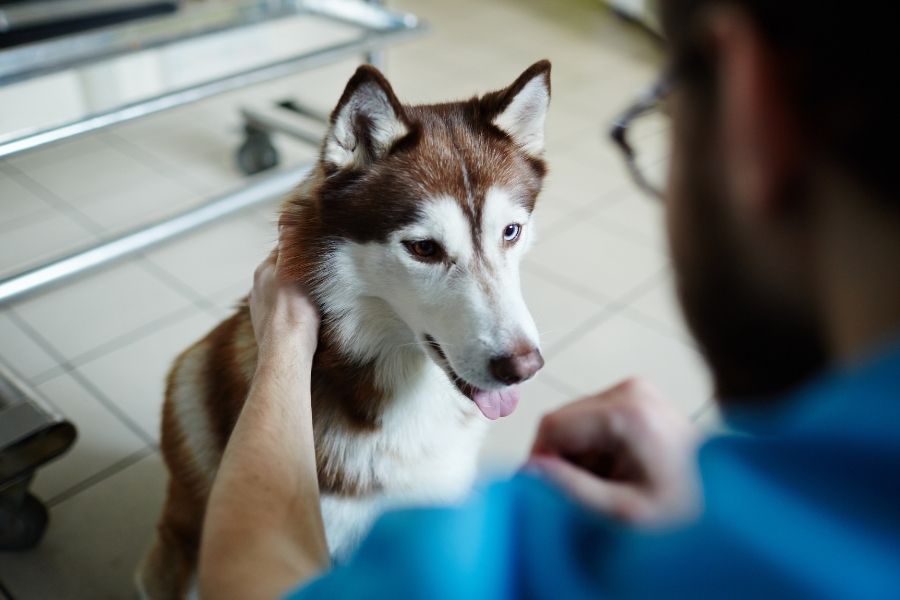
That is why routine senior pet wellness exams are an important part of caring for an aging Husky. These visits allow health professionals to track changes over time and identify concerns before they become harder to manage.
If you are looking for information about [senior pet wellness exams], this type of preventive care can be especially useful once your Husky enters the senior stage.
How to Help Your Aging Husky Stay Comfortable
Getting older does not mean your Husky has to give up the activities they enjoy. You may simply need to adjust how you approach them.
Keep Exercise Consistent
Your older Husky still needs movement. Regular, moderate activity can support muscle strength and mobility.
Long, intense runs may no longer be appropriate for every senior dog. Consider shorter walks, gentle play, and activities that allow your Husky to move without becoming exhausted.
Pay attention to how your dog feels later that day and the following morning. If an activity consistently leaves them unusually stiff or tired, adjust the routine.
Maintain a Healthy Weight
A healthy weight can make a major difference for an aging dog.
Measure meals instead of feeding based only on how hungry your Husky appears. Treats count toward daily calories too.
If your dog’s weight starts moving up or down without an obvious reason, discuss the change during a health check.
Make Your Home Easier to Navigate
Older Huskies may appreciate a few simple changes around the house.
Non-slip rugs can provide traction on smooth floors. A comfortable bed can give stiff joints extra support. Keeping food and water in an easy-to-reach location can also make daily routines easier.
If your Husky struggles with stairs, jumping, or getting into the car, look for safer ways to reduce those challenges.
Continue Mental Stimulation
Senior dogs still need something to do.
Puzzle toys, scent games, gentle training exercises, and short interactive sessions can keep your Husky mentally engaged. You do not need to make activities physically demanding to make them rewarding.
Even practicing familiar commands for a few minutes can give an older dog useful mental stimulation.
Keep Track of Changes
You know your Husky better than anyone. Keep an eye on changes in appetite, drinking, bathroom habits, sleep, movement, behavior, and energy.
Writing down changes can help you recognize patterns that might otherwise be easy to overlook.
When Should You Be Concerned About an Aging Husky?
Not every change means something is wrong, but some signs deserve prompt attention.
Contact your animal care professional if your Husky experiences unexplained weight loss, major appetite changes, difficulty breathing, repeated vomiting or diarrhea, severe weakness, persistent pain, sudden confusion, significant mobility problems, or a sudden behavior change.
A gradual decrease in activity can be part of aging. A sudden change should not automatically be dismissed as old age.
The key is knowing what is normal for your individual dog.
What Can You Expect From a Senior Husky?
Senior Huskies can still have many happy and active years ahead.
Your dog may no longer have the stamina of a young Husky, but they may become more relaxed, affectionate, and settled. Many owners find that their relationship with their dog changes in rewarding ways as they enter their later years.
Instead of focusing only on the number of years your Husky has left, pay attention to their quality of life.
Can they eat comfortably? Do they enjoy spending time with you? Are they able to move around without significant discomfort? Do they still show interest in their favorite activities? Are their daily needs being met?
These questions provide a much better picture of how your senior Husky is doing than age alone.
Conclusion: Helping Your Husky Age Well
Aging is a natural part of your Husky’s life, and changes such as increased sleeping, slower movement, gray hair, reduced exercise tolerance, and changes in hearing or vision can occur as they get older. A typical Siberian Husky lifespan is around 12 to 14 years, but individual dogs can vary.
The most important thing is not to treat every change as “just old age.” Some age-related conditions can be managed more effectively when they are recognized early.
Keep your Husky active at a comfortable level, maintain a healthy weight, provide regular dental and preventive care, make the home senior-friendly, and pay attention to changes in everyday behavior.
Your Husky may eventually slow down, but getting older does not take away their need for comfort, companionship, stimulation, and care. With thoughtful attention to their changing needs, you can help make their senior years comfortable, enjoyable, and full of the routines they love.
Frequently Asked Questions About Aging Huskies
1. What age is considered old for a Husky?
Huskies are often considered senior dogs around 7 to 9 years of age, although individual dogs age at different rates. Some Huskies show age-related changes earlier, while others remain active and healthy well into their later years.
2. What is the average lifespan of a Siberian Husky?
The average Siberian Husky lifespan is about 12 to 14 years. Genetics, nutrition, exercise, weight management, preventive care, and overall health can influence how long an individual Husky lives.
3. How can I tell if my Husky is getting old?
Common signs include sleeping more, reduced stamina, stiffness after resting, gray hair, changes in hearing or vision, weight changes, dental problems, and changes in behavior. A gradual change may be part of normal aging, while a sudden change deserves attention.
4. Do Huskies slow down as they age?
Yes. Most Huskies become less energetic as they get older. They may prefer shorter walks and more frequent rest periods. However, senior Huskies still benefit from regular, appropriate exercise and mental stimulation.
5. Should an older Husky have more frequent health checks?
Regular health checks become increasingly important as a Husky ages. They provide an opportunity to monitor weight, mobility, dental health, organ function, and other age-related changes. Your dog’s care schedule should be based on their age, health history, and individual needs.