A painful tooth can change how a pet eats, plays, sleeps, and interacts with family. This guide explains the warning signs of a dental crisis, what may cause sudden mouth pain, when urgent attention is needed, what you can safely do at home, and how professional care can protect your pet’s comfort and health.
If you are in Denver, Founders Green Animal Hospital can help when a pet develops sudden dental problems.
What Makes a Dental Problem Urgent?
Not every dental issue needs immediate attention. Severe pain, active bleeding, facial swelling, a broken tooth, or trouble eating deserves faster assessment.
Pets often hide discomfort. Watching changes in daily behavior can help you recognize a problem before it becomes harder to manage.
Signs You Shouldn’t Ignore
Watch for:
- Sudden refusal to eat or difficulty chewing
- Dropping food from the mouth
- Excessive drooling
- Blood around the gums or on toys
- Facial or jaw swelling
- A loose, cracked, or broken tooth
- Bad breath that suddenly becomes much stronger
- Pawing at the mouth
- Whining, restlessness, or unusual irritability
- Difficulty opening or closing the mouth
Common Causes of Sudden Dental Pain
Broken or Cracked Teeth
Hard toys, bones, falls, or accidents can damage teeth. A fracture may expose sensitive inner tissue and cause considerable pain. A chipped tooth still requires professional evaluation.
Dental Infections
Bacteria can enter damaged teeth or unhealthy gum tissue. An infection may produce swelling, tenderness, foul odor, drainage, or reduced appetite. Facial swelling needs prompt attention.
Objects Stuck in the Mouth
String, plant material, toy pieces, or food can become trapped between teeth or gums. Pulling out a deeply lodged object can cause additional injury.
Trauma
A fall, bite, collision, or other injury can affect the teeth, gums, tongue, or jaw. A pet that suddenly cannot eat normally should be assessed.
What Should You Do Right Away?
Stay calm and prevent your pet from chewing hard objects. Offer soft food if your pet can swallow comfortably. Keep fresh water available. Avoid pressing on swollen areas or repairing a broken tooth.
Do not give human pain relievers unless a qualified professional specifically instructs you to do so. Several medications intended for people can be unsafe for pets.
If you need immediate guidance, urgent care for pets can help you understand the next appropriate step when a sudden dental problem occurs.
When Should You Seek Same-Day Care?
Seek prompt professional attention when your pet has facial swelling, persistent bleeding, severe pain, a broken tooth, inability to eat or drink, repeated vomiting, weakness, or breathing difficulty. These signs can indicate a problem that should not wait for a routine appointment.
Call ahead and describe what happened, when signs started, whether your pet can eat and drink, and whether an injury occurred.
What Happens During a Dental Visit?
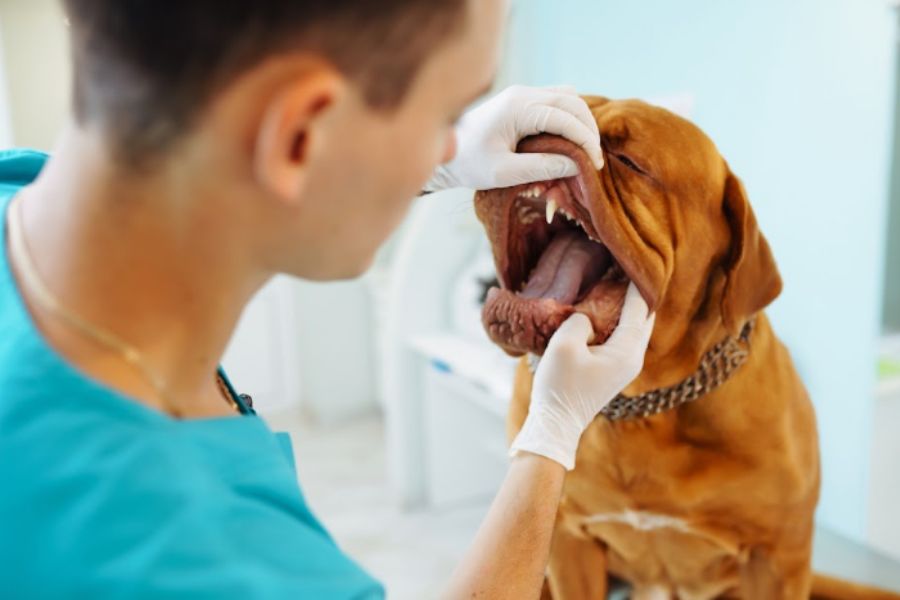
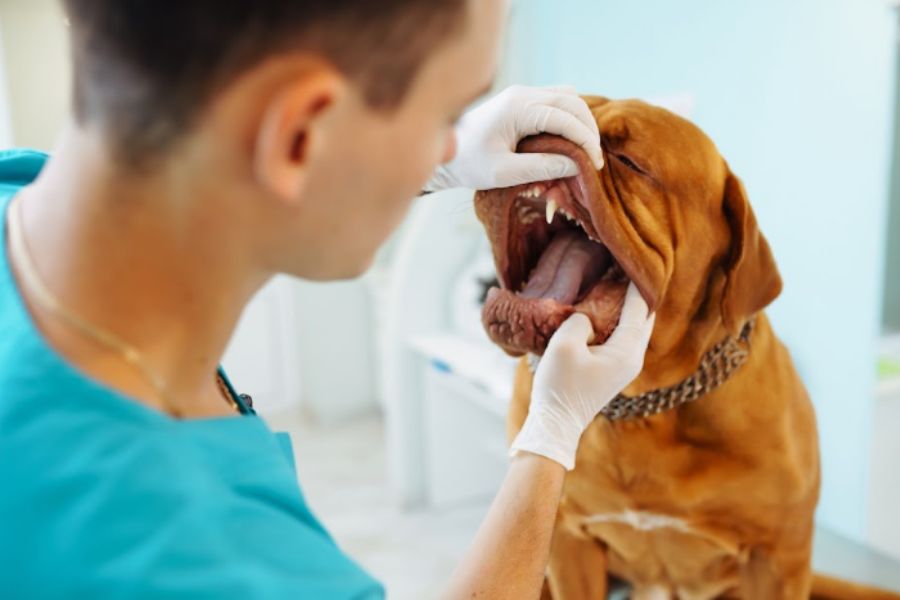
A dental evaluation starts with a discussion about symptoms and recent behavior. The mouth may be examined to identify damaged teeth, gum problems, swelling, or trapped material.
Your pet may need additional testing or dental imaging when a problem cannot be fully assessed by looking at the mouth. Treatment depends on the cause and may include cleaning, medication, removing an object, treating an infection, or addressing a damaged tooth.
Ask what the problem is, which treatment is recommended, why it is needed, what discomfort your pet may experience, and what recovery could look like.
How Can You Reduce Future Dental Problems?
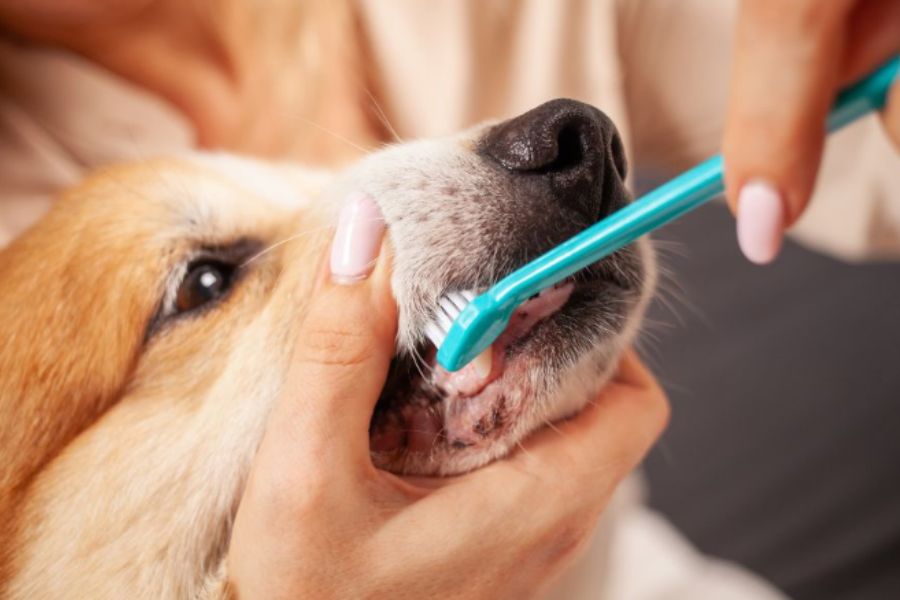
Daily tooth brushing with pet-safe toothpaste supports oral health. Introduce brushing slowly and reward cooperation.
Regular dental checkups can identify plaque, gum irritation, and damaged teeth before they become painful. Choose chew items carefully.
Pay attention to appetite, chewing habits, breath, and behavior. A minor change can provide an early clue that your pet’s mouth needs attention.
Protect Your Pet’s Comfort
Dental problems can develop quietly, then become difficult to ignore as pain increases. Recognizing changes in eating, behavior, breath, drooling, swelling, or bleeding helps you respond sooner.
Timely assessment can reduce discomfort and prevent complications. A quick response can make treatment simpler, reduce suffering, and help your pet return to normal eating and comfortable routines. Do not wait for a pet to stop eating completely before seeking help.
For urgent care guidance, call us at 720-769-8754.
If you’re located in Denver, reach out to Founders Green Animal Hospital, where compassionate care and community come together for your pet’s well-being.
Frequently Asked Questions
1. How do I know if my pet has a dental problem?
A: Watch for bad breath, drooling, bleeding, facial swelling, trouble chewing, dropped food, pawing at the mouth, appetite changes, or unusual irritability. Pets may hide pain, so behavioral changes can be important clues.
2. Is a broken tooth painful for dogs and cats?
A: A broken tooth can be painful, especially when sensitive inner tissue is exposed. Your pet may eat less, chew on one side, drool, or avoid hard food. Professional assessment can determine the extent of damage.
3. Can dental infections make pets sick?
A: Yes. A dental infection can cause pain, swelling, reduced appetite, lethargy, or an unpleasant odor. Infection can progress without treatment. Prompt assessment helps identify the source and determine suitable care for your pet.
4. Can I treat my pet’s tooth pain at home?
A: Home care should focus on comfort and safety, not treating the underlying cause. Offer soft food and prevent chewing hard objects. Never give human pain medicine unless a qualified professional recommends a specific medication and dose.
5. When should I take my pet to a vet for dental pain?
A: Seek prompt care for facial swelling, significant bleeding, severe pain, inability to eat or drink, a broken tooth, breathing difficulty, or sudden worsening. Less urgent concerns still deserve a dental appointment before discomfort progresses.
6. How can I prevent dental problems in my pet?
A: Brush your pet’s teeth regularly with pet-safe toothpaste, provide appropriate chew options, monitor breath and eating habits, and schedule routine dental evaluations. Early attention can reduce plaque buildup and help identify painful problems sooner.