Cruciate Ligament Rupture affects many active dogs and some cats, leading to pain, reduced mobility, and lasting joint changes when left untreated. This guide explains causes, risk factors, signs, diagnosis, treatment options, recovery expectations, and practical prevention tips.
You will learn how daily habits influence joint health, when imaging matters, how pet surgery helps restore comfort, and what owners can do at home to support healing. Families gain clarity about costs, timelines, and long-term care, so decisions feel informed and calm. We welcome readers from Denver, CO.
Understanding the Knee and Why Injuries Happen
Inside the knee, strong bands connect bone to bone and guide smooth movement. The cruciate ligament keeps the shin from sliding forward during walking, running, and jumping. Repeated stress weakens these fibers over time. A sudden twist during play may complete the tear. Many pets develop partial damage that worsens quietly until a simple step causes collapse.
Common Causes and Daily Triggers
High-impact play on slick floors, rapid turns while chasing toys, and uneven landings from furniture place strain on the joint. Extra body weight adds constant pressure. Poor muscle balance shifts forces toward fragile structures. Genetics plays a role, especially in medium and large breeds. Some pets experience gradual fiber breakdown from low-grade inflammation rather than a single accident.
Risk Factors Owners Can Address
Age increases vulnerability as tissues lose elasticity. Spay and neuter status may influence body composition. Flat feet, bowed legs, and shallow hip structure alter movement patterns. Inactive lifestyles weaken support muscles, while extreme weekend activity overloads them. Early weight management, steady exercise, and home traction mats reduce risk.
Signs That Deserve Prompt Attention
Limping after rest, stiffness in the morning, reluctance to climb stairs, and sitting with one leg out to the side signal knee trouble. Swelling near the joint, clicking sounds, and reduced enthusiasm for walks appear in some pets. Cats hide pain; watch for fewer jumps, quiet behavior, and changes in litter box habits.
How the Condition Is Diagnosed
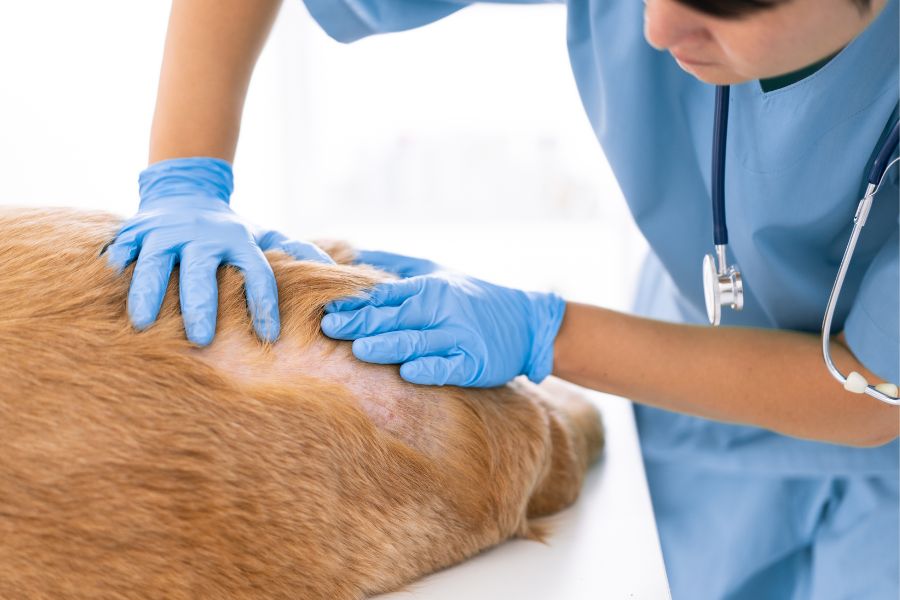
A hands-on exam checks joint stability and muscle tone. X-rays help rule out fractures and reveal early arthritis. Advanced imaging clarifies partial tears. Blood work screens overall health before anesthesia. Clear explanations during visits help families understand findings and options.
Treatment Paths and What to Expect
Small pets with partial injury may respond to rest, pain control, and guided rehab. Larger dogs often need stabilization through proper pet surgery to regain dependable function. Modern techniques aim to change joint mechanics or replace damaged fibers. Recovery plans include controlled walks, strengthening exercises, and home adjustments. Most patients return to comfortable activity with patience and consistent care.
Life After Repair
Healing takes weeks to months. Owners track progress through gait changes and energy levels. Lean body condition protects the repaired knee and the opposite side. Soft bedding, ramps, and short leash walks support success. Ongoing conditioning builds muscle and confidence. Many families report brighter moods once pain lifts.
Prevention Tips That Fit Real Homes
Maintain a healthy weight through measured meals and treat choices. Choose low-impact games on grass or carpet. Warm up with slow walks before sprints. Build core and thigh strength using sit-to-stand drills. Provide traction on stairs. Schedule regular wellness checks to spot subtle changes early. Balanced routines protect joints for years.
A Clear Path Forward
Cruciate Ligament Rupture can feel overwhelming, yet outcomes improve when families act early, follow rehab plans, and commit to lifestyle changes. Education replaces worry with practical steps. Whether care involves rest or pet surgery, teamwork restores comfort and movement.
Ask questions, track progress, and celebrate small wins. Strong joints come from daily choices and steady support. When pain fades, pets rediscover play, connection, and confidence.
Conclusion
Knee injuries change routines, yet they invite closer partnerships between families and care teams. Timely evaluation, thoughtful treatment, and home-based prevention help regain mobility. Keep weight steady, protect floors, build muscle, and honor recovery schedules when limping or behavior appears.
We are conveniently serving in Denver, CO, and welcome you to our location: 7545 E 29th Pl, Denver, CO 80238 — where compassionate care and community come together for your pet’s well-being. Schedule an appointment with Founders Green Animal Hospital.
FAQs About Knee Injuries in Pets
1. What is a cruciate ligament injury?
A: A cruciate ligament injury occurs when the stabilizing band inside the knee stretches or tears, allowing abnormal movement. This causes pain, swelling, and limping. Many pets develop gradual damage before a sudden step makes the problem obvious.
2. Can my pet heal without an operation?
A: Some small pets improve with rest, medication, and rehab when damage is partial. Larger dogs often regain better function with pet surgery. Your care team weighs size, activity level, joint stability, and home support before recommending a plan.
3. How long does recovery usually take?
A: Most pets show steady improvement within six to eight weeks. Full strength returns over several months with guided exercises and activity limits. Commitment to the program matters more than speed. Skipping steps risks setbacks.
4. Will arthritis develop later?
A: Arthritis can appear after a knee injury due to cartilage wear. Early stabilization, weight control, and muscle building are slow changes. Many pets live active lives when families follow long-term care advice.
5. Will arthritis develop later?
A: Arthritis can appear after a knee injury due to cartilage wear. Early stabilization, weight control, and muscle building are slow changes. Many pets live active lives when families follow long-term care advice.
6. What activities are safe during healing?
A: Short leash walks on level ground, gentle range of motion, and prescribed strengthening exercises are typical. Jumping, rough play, and slippery floors stay off limits until cleared. Your provider adjusts plans as strength improves.