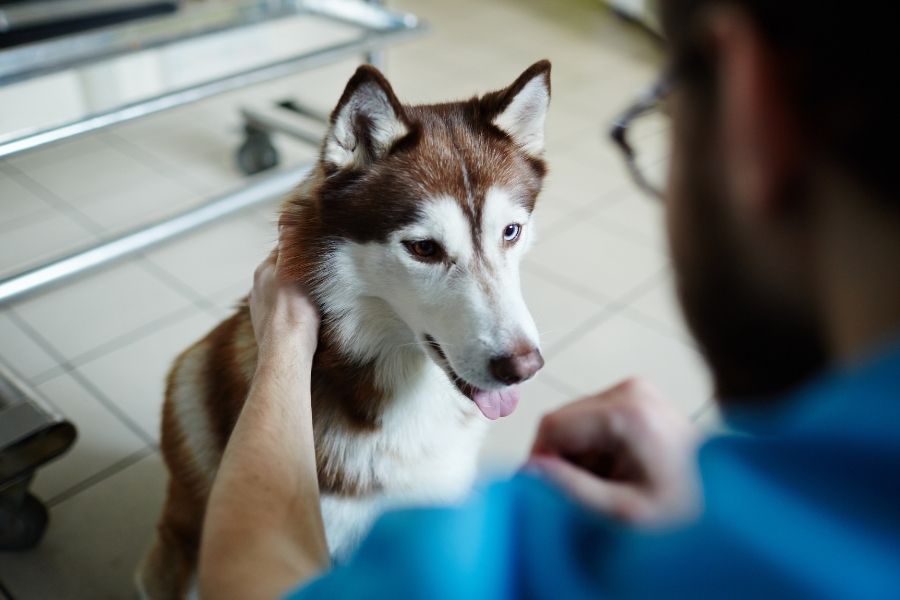
Dog behaviour problems affect nearly every pet parent at some point, from early puppyhood to mature adulthood. This guide explains why issues start, how they differ by age, and what steps bring real improvement.
You will learn simple training methods, daily routines, and calm leadership strategies that address barking, chewing, jumping, leash pulling, anxiety, and house training. Each section offers practical actions you can use right away, plus signs that tell you when professional help matters.
The goal is confidence, consistency, and kinder communication. For families in Denver, CO, these principles apply at home just as they do anywhere else.
Why Behavior Problems Start
Dogs act for clear reasons. Needs go unmet. Energy stays bottled up. Rules change day to day. Puppies explore with their mouths and paws. Adult dogs repeat habits that once earned attention. Stress, boredom, and mixed signals all shape behavior. Understanding motivation makes training faster and fairer.
Common triggers include limited exercise, long periods of alone time, unclear boundaries, sudden schedule changes, and fear of loud sounds or crowded spaces. Genetics influences temperament, too. None of this means failure. It means your dog needs structure, outlets, and guidance.
Puppy Challenges and How to Solve Them
Nipping and Chewing
Puppies teethe and test textures. Provide safe chew toys in every room. Rotate options to keep interest high. Redirect hands to toys. Praise calm chewing. Block access to shoes, cords, and cushions. Short play breaks prevent overstimulation.
House Training
Set a routine. Take your puppy outside after waking, eating, playing, and naps. Reward the moment they finish. Clean indoor accidents with enzyme cleaners. Keep a simple log to spot patterns. Crates support learning when sized for standing and turning.
Jumping on People
Ignore jumping. Turn away. Ask for a seat before greetings. Reward four paws on the floor. Teach guests the same rules. Consistency builds polite habits faster than scolding.
Adult Dog Behavior Issues
Excessive Barking
Barking communicates needs. Identify the cause. Is it alerting, boredom, or fear? Increase walks and brain games. Close curtains for street triggers. Teach a quiet cue with treats. Avoid yelling, which sounds like joining in.
Leash Pulling
Pulling comes from excitement and speed. Use a front-clip harness. Practice slow starts. Change direction when tension appears. Reward loose leash steps. Keep sessions short and frequent.
Separation Stress
Start with brief departures. Leave enrichment toys. Create a calm exit routine. Avoid dramatic goodbyes. Build independence through place training and settle exercises. Gradual progress protects confidence.
Resource Guarding
Trade items for treats. Hand-feed meals for trust. Teach drop and leave it. Never punish growls. They signal discomfort. Seek guidance if guarding escalates.
A Simple Training Framework That Works
Success rests on three pillars: clear cues, timely rewards, and steady practice. Choose one behavior at a time. Break skills into tiny steps. Mark the instant your dog gets it right. Keep sessions under ten minutes. Train in quiet spaces first. Add distractions later.
Daily enrichment matters. Walks, sniff games, puzzle feeders, and short obedience drills drain excess energy. Predictable schedules lower anxiety. Calm leadership sets expectations without force.
Midway through your plan, review progress on dog behaviour problems by tracking triggers, successes, and setbacks in a notebook. Small data points reveal patterns. Adjust routines, not emotions.
When to Ask for Help
Most issues improve with patient training. Some need extra support. Reach out if aggression appears, bites occur, anxiety worsens, or progress stalls after several weeks. Certified trainers and behavior professionals provide customized plans and safety guidance. Early support prevents long-term habits.
Prevention for Lifelong Good Manners
Start social exposure early. Pair new sights with treats. Teach basic cues before challenges arise. Keep boundaries steady across family members. Reward calm choices. Rotate toys. Maintain exercise. A balanced life builds a resilient dog.
Conclusion
Lasting change comes from empathy, structure, and daily follow-through. Start with small goals, reward progress, and keep expectations realistic. Build routines that meet physical and mental needs. Track wins. Ask for support when challenges feel heavy.
Your dog wants to succeed. With consistent guidance, most dog behaviour problems fade into the background, replaced by trust and cooperation. Commit to calm leadership today. The result becomes a happier home, safer walks, and a stronger bond that grows with every shared success. If you are in Denver, CO, and looking for veterinary dental care, book an appointment with Founders Green Animal Hospital.
Frequently Asked Questions(FAQs):
1. How long does it take to fix common behavior issues?
A: Timelines vary by age, consistency, and the specific habit. Many families see early improvements within two to four weeks of daily practice. Lasting change often takes several months of steady routines, rewards, and clear expectations.
2. Are puppies harder to train than adult dogs?
A: Puppies learn fast but lack impulse control. Adult dogs show stronger habits. Both can succeed. Puppies need structure and naps. Adults need patience and repetition. The same positive methods work for each stage.
3. Should I use treats for every behavior?
A: Use treats to teach new skills. Fade them once habits form. Replace food with praise, play, or access to walks. Variable rewards keep motivation high without constant snacking.
4. What if my dog ignores commands outside?
A: Outdoor distractions overpower learning. Practice cues indoors first. Add mild distractions. Increase the value of rewards. Short sessions in quiet areas help. Progress to busier spots only after reliable responses appear.
5. Can exercise alone fix problem behaviors?
A: Exercise helps, yet mental stimulation matters just as much. Combine walks with training games, scent work, and puzzle feeders. A tired body and engaged mind reduce restlessness and noise.
6. When is professional training necessary?
A: Seek help for biting, intense fear, guarding, or ongoing stress. Early guidance prevents escalation. A qualified trainer creates a tailored plan and teaches safe handling for your household.