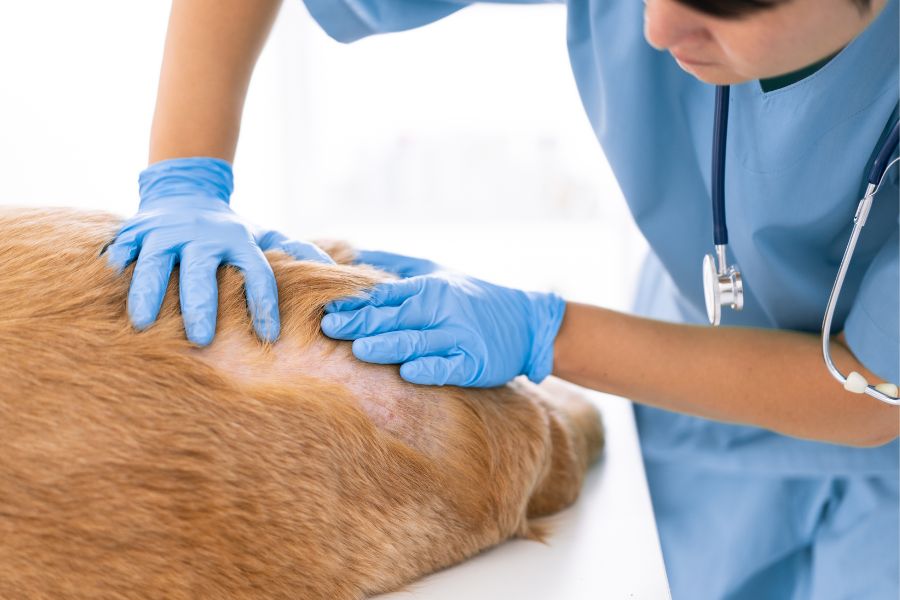
Intervertebral Disc Disease (IVDD) is one of the most common spinal conditions affecting dogs. It occurs when the discs between the vertebrae become damaged, placing pressure on the spinal cord and nerves. Early recognition of IVDD symptoms can make a significant difference in treatment outcomes and long-term mobility.
This guide explains what IVDD is, common signs to watch for, breeds at higher risk, available treatment options, recovery expectations, and when professional medical attention is necessary. Understanding these factors helps dog owners act quickly and support their pet’s comfort and well-being.
What Is IVDD in Dogs?
IVDD, or Intervertebral Disc Disease, affects the cushioning discs located between the bones of the spine. These discs help absorb shock and allow normal movement. When a disc deteriorates, ruptures, or bulges, it can press against the spinal cord.
The condition may develop gradually or appear suddenly. Some dogs experience mild discomfort, while others may lose the ability to walk. The severity depends on the location and extent of spinal cord compression.
IVDD is one of the leading causes of back pain and paralysis in dogs. Prompt evaluation often improves the chances of recovery.
Which Dogs Are Most at Risk for IVDD?
Certain breeds have a higher genetic predisposition to IVDD. Dogs with long backs and shorter legs are particularly vulnerable.
Commonly affected breeds include:
- Dachshunds
- French Bulldogs
- Beagles
- Corgis
- Shih Tzus
- Pekingese
- Basset Hounds
IVDD can also affect larger breeds, including Labrador Retrievers and German Shepherds. Age, obesity, poor physical conditioning, and previous spinal injuries may increase risk.
Why Weight Matters
Excess body weight places additional stress on the spine. Maintaining a healthy weight through proper nutrition and exercise helps reduce strain on the discs and joints.
Early Signs of IVDD in Dogs
Recognizing IVDD symptoms early is essential. Many dogs show subtle signs before more serious neurological issues develop.
Common early signs include:
- Reluctance to jump or climb stairs
- Neck pain or back pain
- Muscle tension
- Stiffness when walking
- Lowered head posture
- Crying out when touched
- Reduced activity levels
- Difficulty standing after rest
Some dogs may appear anxious or withdrawn because of discomfort.
Changes in Movement
As spinal pressure increases, movement changes often become more noticeable.
Watch for:
- Wobbling while walking
- Dragging paws
- Crossing limbs
- Weakness in the hind legs
- Loss of coordination
These signs indicate possible nerve involvement and should never be ignored.
Advanced Symptoms of IVDD
Severe IVDD can progress rapidly. Advanced symptoms require immediate medical attention.
These symptoms may include:
- Inability to stand
- Paralysis in one or more limbs
- Loss of bladder control
- Loss of bowel control
- Severe pain
- Complete inability to walk
The longer spinal cord compression continues, the greater the risk of permanent damage. Immediate evaluation is critical when these signs appear.
How Is IVDD Diagnosed?
Diagnosis begins with a physical examination and neurological assessment. The goal is to determine the location and severity of spinal cord involvement.
Diagnostic testing may include:
- Digital X-rays
- Advanced imaging such as MRI
- CT scans
- Neurological evaluations
These tools help identify affected discs and guide treatment decisions.
Accurate diagnosis allows the care team to create a treatment plan tailored to the dog’s condition.
Treatment Options for IVDD in Dogs
Treatment depends on symptom severity, spinal cord compression, and overall health.
Conservative Management
Dogs with mild to moderate IVDD may respond well to non-surgical treatment.
Conservative treatment often includes:
- Strict crate rest
- Anti-inflammatory medications
- Pain management
- Controlled rehabilitation exercises
Activity restriction is often one of the most important parts of recovery. Excess movement may worsen disc damage.
Surgical Treatment
Surgery may be recommended when neurological deficits are significant or when conservative care fails.
The goal of surgery is to relieve pressure on the spinal cord and improve nerve function.
Many dogs regain mobility after surgery, especially when treatment occurs before permanent nerve damage develops.
Recovery and Long-Term Management
Recovery timelines vary depending on severity and treatment type.
Some dogs recover within a few weeks, while others require several months of rehabilitation. Consistency plays a major role in successful outcomes.
Helpful recovery strategies include:
- Following activity restrictions
- Maintaining a healthy weight
- Using supportive harnesses
- Completing rehabilitation exercises
- Attending follow-up appointments
Many owners also focus on pet preventive care to support overall health and identify potential issues before they become serious. Preventive wellness visits provide opportunities to monitor mobility, weight, and age-related changes that may affect spinal health.
When Should You See a Veterinarian?
Any signs of back pain, weakness, or mobility changes should prompt a professional evaluation. Early treatment often prevents further spinal cord damage.
Seek immediate care if your dog:
- Cannot walk
- Shows sudden paralysis
- Loses bladder control
- Experiences severe pain
- Has rapidly worsening symptoms
Waiting too long can reduce treatment success and increase the likelihood of permanent neurological complications.
Tips to Help Reduce IVDD Risk
While not all cases can be prevented, several lifestyle habits may help lower risk.
Protect the Spine
Consider these practical steps:
- Maintain a healthy body weight
- Use ramps instead of stairs when possible
- Limit repetitive jumping
- Provide regular low-impact exercise
- Use supportive harnesses instead of neck collars
These measures reduce spinal stress and support long-term mobility.
Conclusion
IVDD in dogs is a serious spinal condition that can affect mobility, comfort, and quality of life. Early symptoms often include back pain, stiffness, reluctance to jump, and changes in walking patterns. Advanced cases may result in paralysis or loss of bladder control. Prompt diagnosis and treatment provide the best opportunity for recovery. Dog owners who recognize the warning signs and seek timely care can help protect their pet’s spinal health and maintain an active, comfortable lifestyle for years to come.
Frequently Asked Questions(FAQs):
1. What are the first signs of IVDD in dogs?
Early signs often include back pain, stiffness, reluctance to jump, difficulty climbing stairs, reduced activity, and sensitivity when touched. Some dogs may also show subtle changes in posture or movement before more serious symptoms develop.
2. Can IVDD heal without surgery?
Mild cases may improve with strict rest, medication, and rehabilitation. Severe cases involving paralysis, significant weakness, or ongoing spinal cord compression often require surgery to achieve the best possible outcome.
3. How quickly does IVDD progress in dogs?
Progression varies widely. Some dogs develop symptoms gradually over weeks or months, while others experience sudden mobility loss within hours. Rapid symptom changes should always be treated as a medical emergency.
4. Is IVDD painful for dogs?
Yes. IVDD can cause significant neck or back pain due to disc damage and spinal cord pressure. Dogs may vocalize, avoid movement, appear tense, or become withdrawn because of discomfort.
5. What dog breeds commonly develop IVDD?
Dachshunds, French Bulldogs, Corgis, Beagles, Shih Tzus, Pekingese, and Basset Hounds are among the breeds most commonly affected. Larger breeds can also develop the condition, particularly as they age.
6. Can a dog fully recover from IVDD?
Many dogs recover successfully, especially when diagnosed and treated early. Recovery depends on the severity of spinal cord damage, treatment approach, rehabilitation efforts, and the dog’s overall health condition.