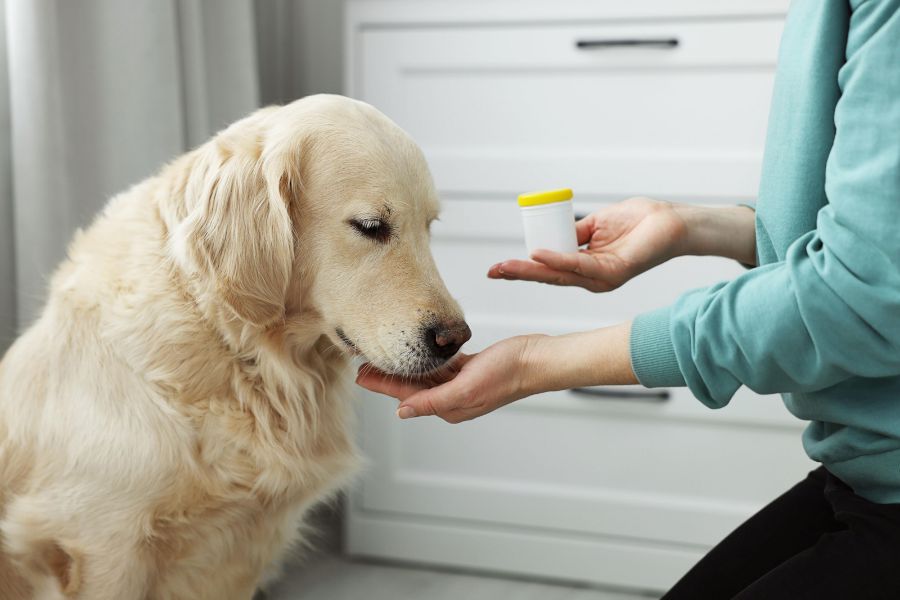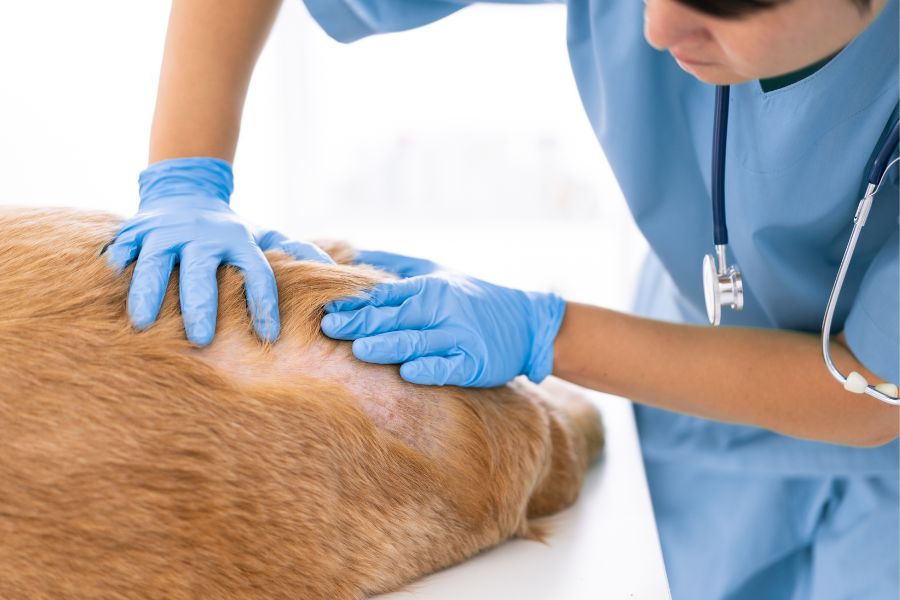
Constant scratching, paw licking, and irritated skin can leave dogs uncomfortable and pet owners searching for answers. Cytopoint is an injectable treatment designed to relieve itching associated with allergic dermatitis in dogs. It works by targeting a specific protein involved in the itch response rather than suppressing the entire immune system.
This guide explains how Cytopoint works, what happens after an injection, how long relief may last, and which side effects to watch for. Understanding its benefits, limitations, and proper use can help you decide whether Cytopoint is an appropriate option to discuss with your veterinarian.
What Is Cytopoint for Dogs?
Cytopoint is a prescription injectable medication used to control itching associated with allergic dermatitis in dogs. Its active ingredient, lokivetmab, is a monoclonal antibody designed to target canine interleukin-31 (IL-31), a protein that plays an important role in triggering itch signals.
Unlike a conventional medication that affects multiple body processes, Cytopoint is designed to act on this specific signal. It is administered by a veterinary professional, with repeat injections scheduled according to the dog’s response and individual needs.
Cytopoint helps manage itching; it does not cure allergies or eliminate every underlying cause of skin irritation.
How Does Cytopoint Work? The Science Explained
Step 1: Allergens Trigger an Itch Response
Dogs with allergic skin conditions may react to environmental substances such as pollen, dust mites, or mold. Their immune systems respond to these triggers, creating inflammation and releasing signaling proteins.
IL-31 is one of the proteins involved in communicating itch sensations to the nervous system. Your dog feels uncomfortable and starts scratching, licking, or chewing the affected areas.
Step 2: Cytopoint Targets IL-31
Cytopoint contains lokivetmab, an antibody engineered to recognize and bind to canine IL-31. By attaching to this protein, it prevents IL-31 from activating the receptors responsible for transmitting itch signals.
Think of IL-31 as a message telling your dog to scratch. Cytopoint intercepts that message before it can trigger the same itch response.
Step 3: Itching Becomes Easier to Control
When IL-31 activity is blocked, itching can decrease. Reduced scratching may give irritated skin an opportunity to recover and lower the risk of further damage caused by constant licking and chewing.
Cytopoint does not directly treat every cause of inflammation, bacterial infection, yeast overgrowth, or skin disease. Dogs may need additional treatment to address these problems.
How Quickly Does Cytopoint Work?
Many dogs begin experiencing relief within one to three days after receiving Cytopoint. The response varies depending on the dog’s condition, allergy triggers, and overall skin health.
Some dogs experience noticeable improvement quickly. Others may need additional evaluation or treatment because their itching has several causes.
What should you monitor at home?
- How often your dog scratches or chews its paws.
- Changes in redness, skin irritation, or sleep quality.
- Whether your dog develops new sores or continues licking particular areas.
- Any changes in appetite, energy, or general behavior.
Keeping a simple symptom diary can help you and your veterinarian assess whether Cytopoint is providing meaningful relief.
How Long Does Cytopoint Last?
Cytopoint commonly provides itch relief for approximately four to eight weeks, although the duration differs among dogs. Some need repeat injections closer to four weeks, while others remain comfortable longer.
Your veterinarian can recommend an appropriate injection schedule based on symptom recurrence, treatment response, and the product’s prescribing guidance. Do not schedule injections more frequently than directed.
Cytopoint’s duration should not be confused with a permanent solution. Allergies may remain active, and symptoms can return when the medication’s effect decreases.
Is Cytopoint Safe for Dogs?
Cytopoint is generally well tolerated when used appropriately. Its targeted action is different from broad immune-suppressing medications, but no treatment is completely free of risk.
Reported adverse effects can include vomiting, diarrhea, lethargy, reduced appetite, and injection-site reactions. Rarely, hypersensitivity reactions may occur. Contact your veterinarian if you notice concerning changes after an injection. Facial swelling, difficulty breathing, or collapse requires emergency veterinary attention.
Your veterinarian should review your dog’s medical history, current medications, and skin condition before treatment. Cytopoint may not be suitable for every dog, and ongoing monitoring remains important.
Cytopoint vs. Other Dog Allergy Treatments
Cytopoint is one option for managing allergic itching. Other approaches include oral medications, medicated shampoos, parasite prevention, dietary trials for suspected food allergies, and allergen-specific immunotherapy.
The best choice depends on the suspected trigger, symptom severity, existing health concerns, and response to previous treatments. Cytopoint may control itch signals without resolving an untreated infection or an allergy-related environmental trigger.
Combining treatments can sometimes provide better overall control. Your veterinarian can explain which options address itching, inflammation, infections, or the underlying allergy.
Conclusion: Helping Your Dog Find Lasting Itch Relief
Cytopoint works by targeting IL-31, a protein involved in transmitting itch signals in dogs. Its targeted action can reduce allergic itching, improve comfort, and help protect skin from repeated scratching. Results and treatment duration vary, and additional care may be necessary when infections or other skin conditions are present.
If you’re located in Denver, reach out to Founders Green Animal Hospital for guidance on your dog’s ongoing itching and allergy management. Its focus on compassionate care and community supports informed decisions about your pet’s well-being. Schedule an appointment to discuss whether Cytopoint could be appropriate for your dog.
Frequently Asked Questions(FAQs):
1. How quickly does Cytopoint start working in dogs?
A: Many dogs experience noticeable itch relief within one to three days after injection. Individual responses vary, and persistent scratching may indicate another skin problem or a need to reassess the treatment plan.
2. How long does a Cytopoint injection last?
A: Cytopoint commonly provides relief for four to eight weeks. Duration depends on the individual dog and its allergy symptoms. Your veterinarian can determine when another injection may be appropriate.
3. Does Cytopoint have side effects?
A: Cytopoint is generally well tolerated, but vomiting, diarrhea, lethargy, reduced appetite, and injection-site reactions have been reported. Contact your veterinarian about concerning symptoms and seek emergency care for breathing difficulty or collapse.
4. Can Cytopoint cure allergies in dogs?
A: No. Cytopoint helps control itching by blocking IL-31, but it does not eliminate allergies. Dogs may need ongoing treatment, allergen management, or additional care for infections and other skin conditions.
5. Is Cytopoint better than Apoquel for dogs?
A: Cytopoint is an injection targeting IL-31, while Apoquel is an oral medication that affects itch-related signaling pathways. Neither option is best for every dog; your veterinarian can compare their suitability, risks, and dosing requirements.
6. Can dogs receive Cytopoint regularly?
A: Many dogs receive repeat Cytopoint injections when itching returns, following their veterinarian’s recommended schedule. The interval varies by response and clinical needs. Regular reassessment helps ensure continued benefit and identifies other causes of itching.